On this page 14 sections
- Walk along the Promenade des Anglais
- Port of Nice
- Explore the Old Town (Vieux Nice)
- The view from the Colline du Château
- Nice Cathedral
- Château de Nice
- Matisse and Contemporary Art Museum
- Cours Saleya and its markets
- Marc Chagall Museum
- Place Masséna and its architecture
- A day in Villefranche-sur-Mer
- Take a boat ride along the coast
- Walking trails at Saint-Jean-Cap-Ferrat
- Tourist information and map
Nice is one of the most popular destinations in France, and it has more to see than most visitors can fit into one trip. This list covers thirteen things to do: the seafront, the Old Town, viewpoints, churches, museums and squares in the city, then a boat ride and two short trips along the coast.
Walk along the Promenade des Anglais
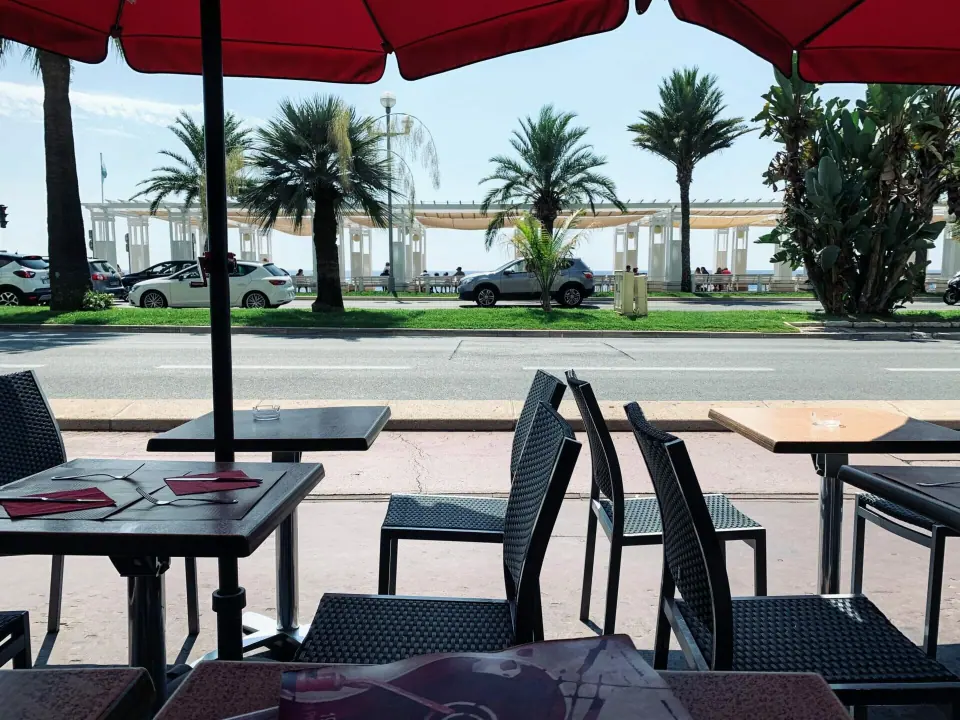
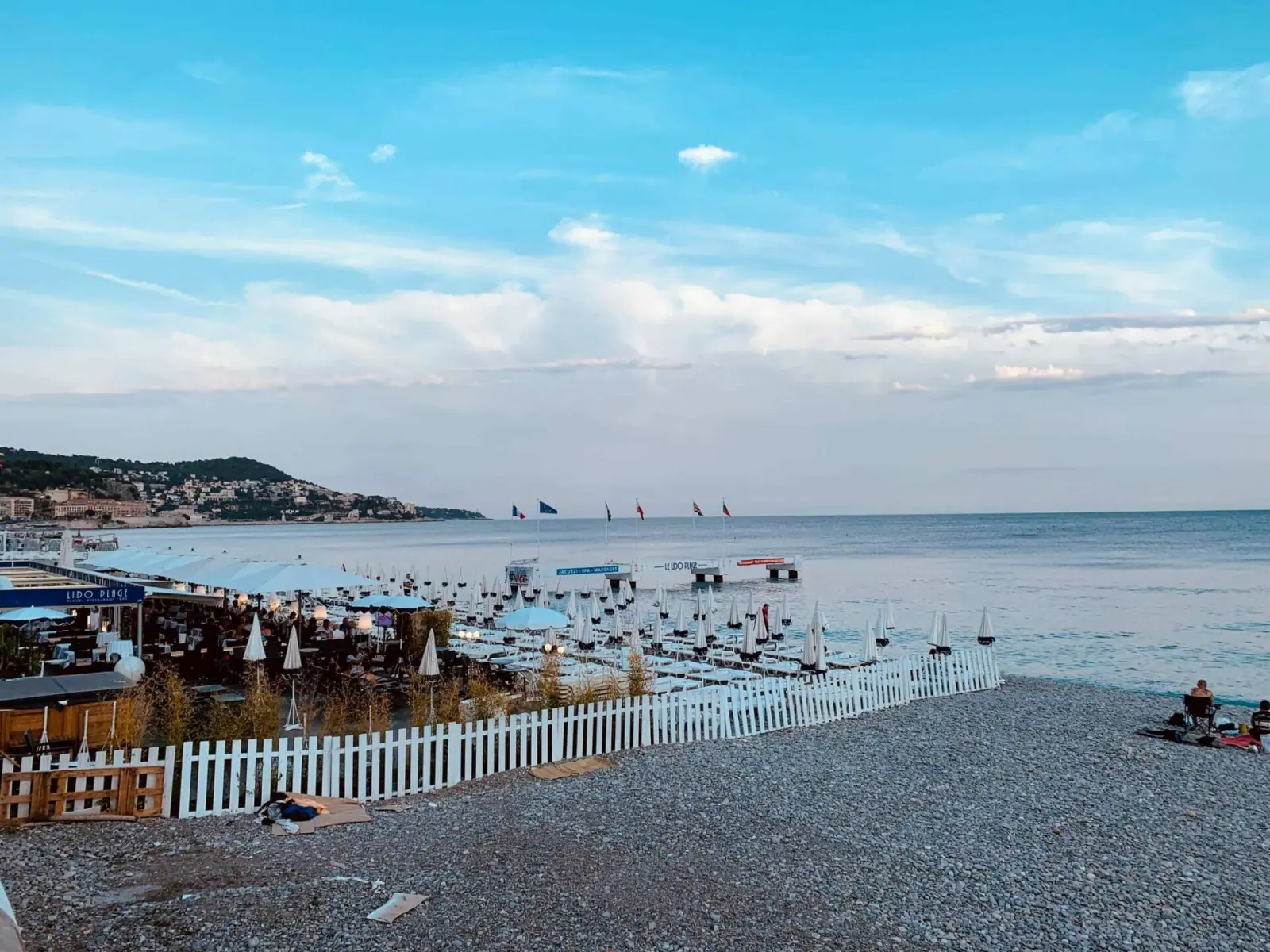
Start with the Promenade des Anglais, the palm-lined seafront that runs for 7 kilometers along the beach. It is the best-known stretch of coast in Nice and the easiest place to see how the city lives. Hotels, cafes and restaurants line the route, and you get sea views the whole way. Walk it, or sit and watch people go by.
Port of Nice
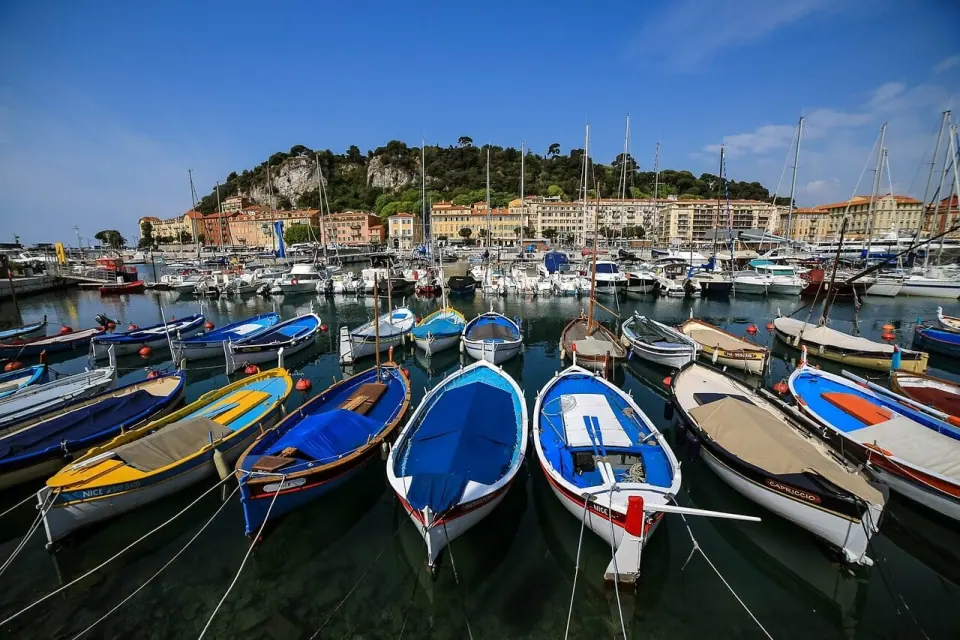
The Port of Nice lies on the far side of Castle Hill from the Old Town and is worth an hour or two. Cafes and restaurants face the quays, and the sightseeing boats that cruise the coast leave from here, so it combines well with the boat ride described below.
Explore the Old Town (Vieux Nice)
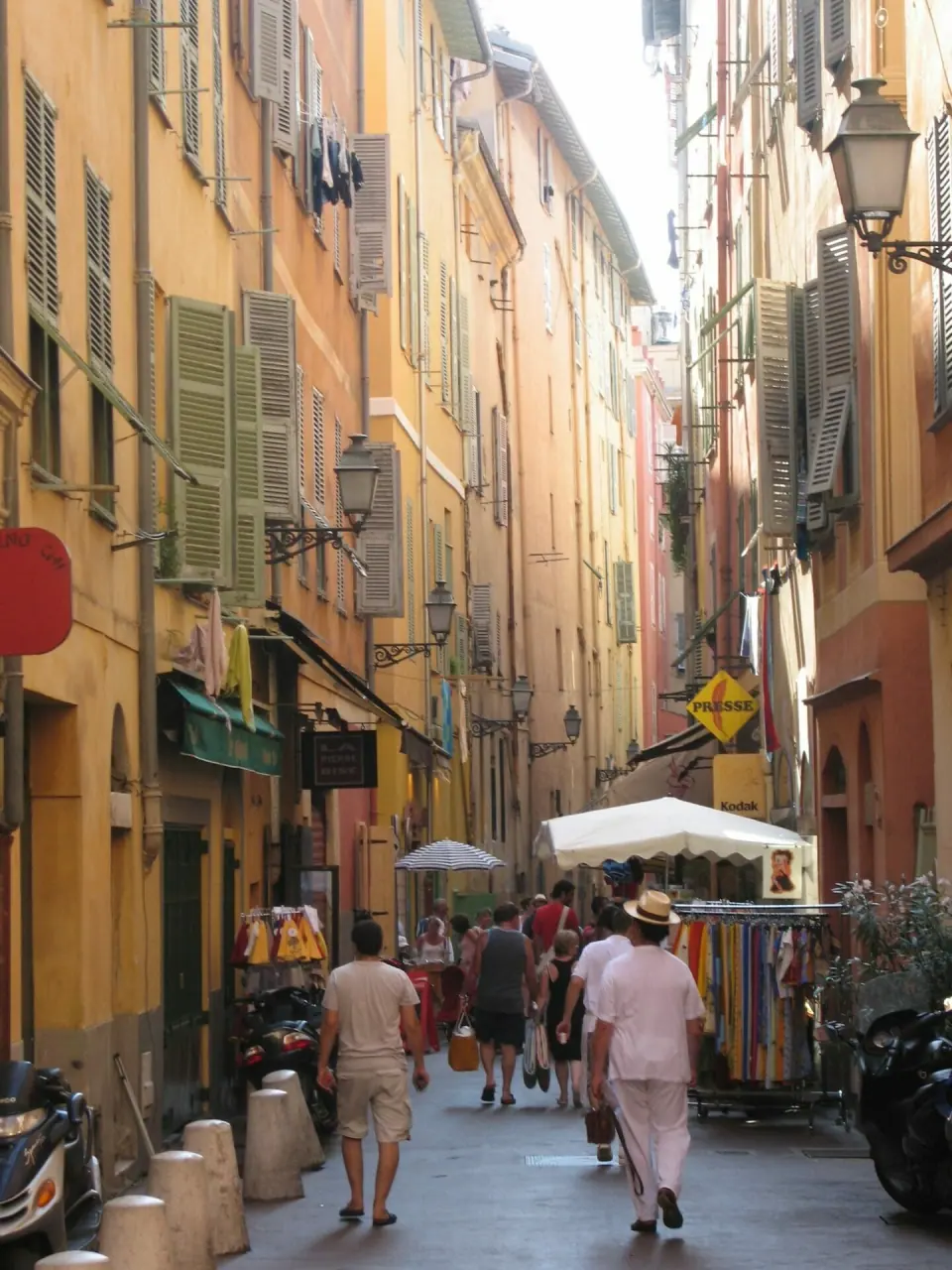
Give the Old Town an afternoon. Vieux Nice is a district of winding streets and small squares, and the oldest part of the city you can walk through today.
The narrow streets and alleys are lined with pastel facades that house cafes, boutiques and art galleries. Look for Place Rossetti and the baroque Cathédrale Sainte-Réparate, the city’s Catholic cathedral, whose main body was built between 1650 and 1685. The Old Town is also the place to go when you want a break from the busier parts of the city.
The view from the Colline du Château
For a panorama of the whole city, climb Château Hill. It rises between the Old Town and the port, and from the top you can see the beach, the rooftops of Vieux Nice and the harbor. The summit is a public park, the best-known garden in Nice, with room to walk, sit and take in the view.
Nice Cathedral
Two churches get called "Nice Cathedral", so know which one you are looking at. The actual cathedral is Sainte-Réparate, the baroque church in the Old Town described above. The one that looks like a French Gothic cathedral is the Basilique Notre-Dame, on Avenue Jean Médecin in the modern center. It is a Roman Catholic church in the neo-Gothic style, begun in 1864. Come to either for a quiet moment as much as for the building.
Château de Nice
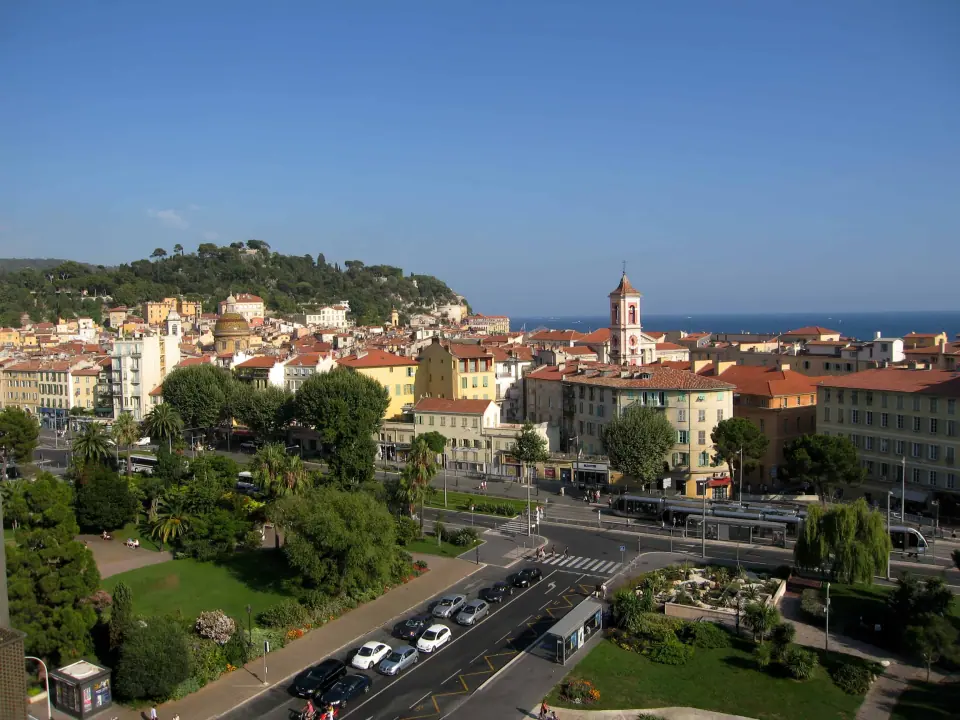
Do not expect a castle. A citadel stood on Château Hill from the 11th century and was besieged several times, notably in 1543 and 1691. French troops took it in 1705, and it was demolished in 1706 on the orders of Louis XIV. What you visit today is the park that replaced it, which is free to enter. The hill keeps the name, and the views are the reason to go.
Matisse and Contemporary Art Museum
If you like Henri Matisse, put the Musée Matisse near the top of your list: it holds one of the world’s largest collections of his work, much of it donated by the artist and his heirs. The museum opened in 1963 in the Villa des Arènes, a 17th-century villa in the Cimiez district, well north of the Old Town, so take a bus. It is closed on Tuesdays and ticketed; check the official site for current hours and prices.
The city’s modern and contemporary art museum, MAMAC, closed for renovation at the start of 2024, and the tourist office lists it as closed until 2028. Do not plan a visit around it for now.
Cours Saleya and its markets
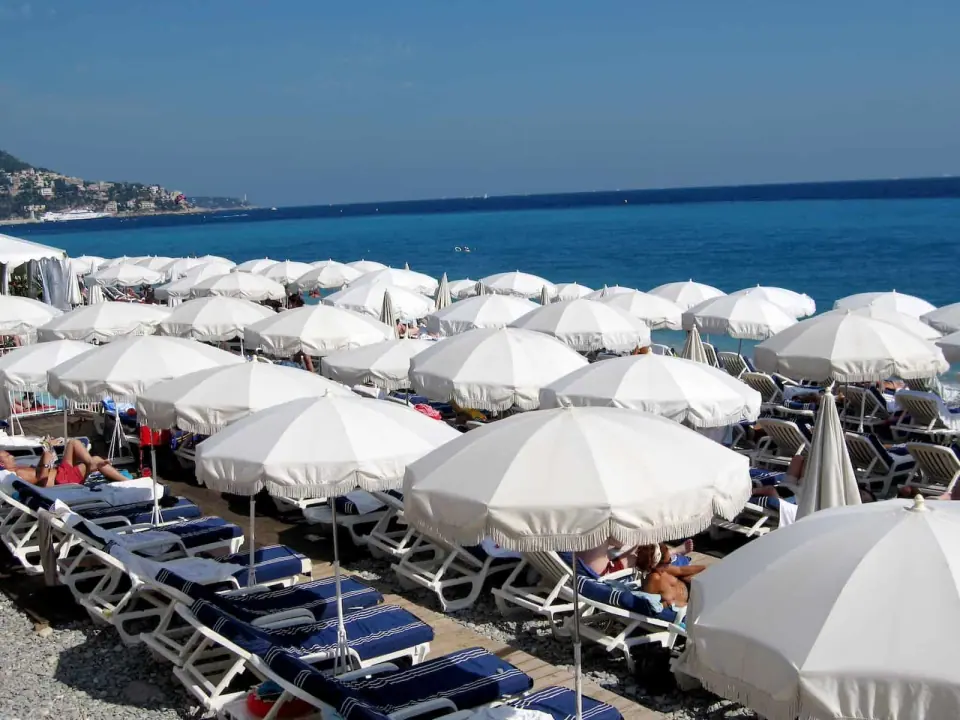
Cours Saleya is the market street of the Old Town, and a good place to see the district at its busiest. The flower market and the fruit and vegetable market run in the morning from Tuesday to Sunday. On Mondays the stalls are replaced by an antiques and flea market that lasts all day.
Cafes and restaurants line both sides. Spend a morning here shopping for souvenirs, trying food you have not eaten before, or people-watching from a table.
Marc Chagall Museum
The Musée National Marc Chagall was built to house the seventeen large paintings of the Biblical Message, which Chagall gave to the French state in 1966. It was inaugurated in 1973, during the artist’s lifetime, and holds one of the largest collections of his work. The building is modern and stands in its own garden on Avenue Docteur Ménard, on the way up to Cimiez. It is open every day except Tuesday, and it is ticketed; check the official site for current hours and prices.
Place Masséna and its architecture
Place Masséna is the central square of Nice, a large crossroads where Avenue Jean Médecin, Avenue Félix Faure and Avenue de Verdun meet. It is named after André Masséna, a French Marshal who played a pivotal role in the Napoleonic Wars.
The square was laid out in 1843 and 1844 and is bordered by ochre-red buildings in the Italian style. Its focal point is the Fontaine du Soleil, inaugurated in 1956: a seven-meter marble Apollo by the sculptor Alfred Janniot, surrounded by bronze figures that represent Mercury, Venus, Earth, Mars and Saturn. The Nice Carnival parade passes here every February.
Look up as well. Seven statues of kneeling figures sit on tall poles along the tram line. They are "Conversation in Nice", a 2007 work by the Catalan artist Jaume Plensa.
A day in Villefranche-sur-Mer
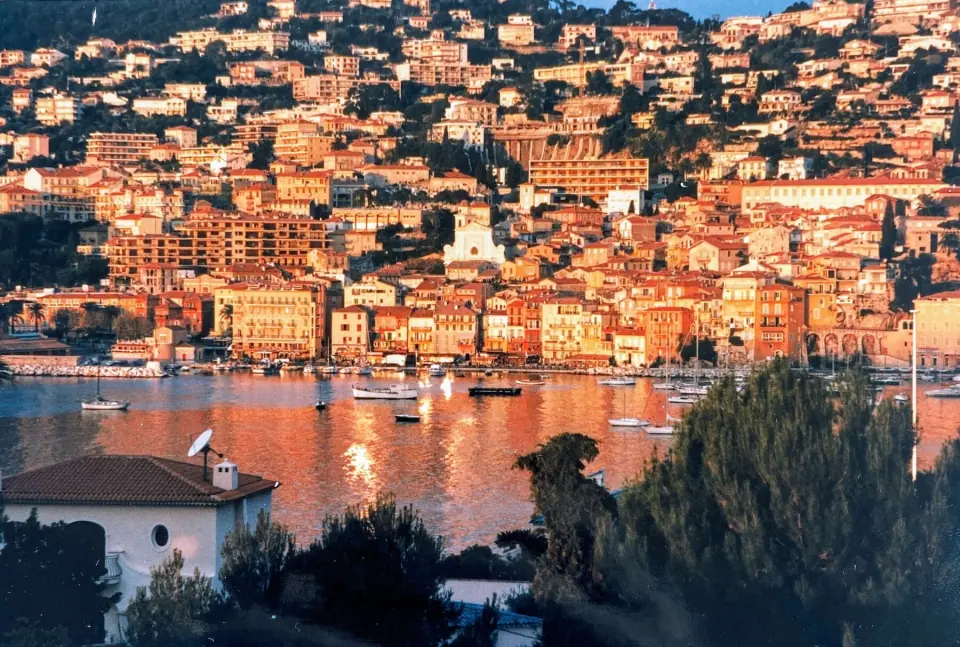
Villefranche-sur-Mer is an easy day trip from Nice: it is the next town along the coast, and the TER train gets you there in a few minutes. A good day there starts with breakfast at a cafe overlooking the harbor, followed by a few hours in the streets and shops. Then go to the beach for a swim. Finish with seafood at a waterfront restaurant and a walk along the quay at sunset. The tourist office suggests three to four hours for the highlights, or a full day with the beach.
The town is known for its deep natural harbor and its old center, and its inhabitants are called Villefranchois. The main beach is the Plage des Marinières, about 700 meters long at the north end of the bay. The Plage de la Darse is a smaller pebble beach behind the harbor jetty.
The best things to do in Villefranche-sur-Mer
- Visit the old town: Explore the cobbled streets and staircases on foot, and walk through the Rue Obscure, a vaulted passage under the harbor-front houses that dates back to 1260. In Nice or here, try the local specialties, such as socca (a chickpea pancake) and tourte de blettes (a Swiss chard pie).
- Swim in the Mediterranean: the bay is sheltered, and the Plage des Marinières has showers, toilets and lifeguards in summer.
- Explore the Citadel: the Citadelle Saint-Elme was built in 1557 and has views over the bay from its ramparts. It houses the town hall and small art museums, including the Volti and Goetz-Boumeester collections. Some rooms have been closed for renovation, so ask at the tourist office before you go.
- Visit the Chapel of St. Pierre: this 16th-century fishermen’s chapel on the harbor was restored in 1957, when the artist Jean Cocteau covered it with murals of the life of Saint Peter and of local fishermen.
- Step into the Église Saint-Michel: the town’s baroque church, built in the 1750s in the Italian style.
The best way to get to Villefranche-sur-Mer from Nice is by bus or train. Buses 15 and 600 from Nice stop at Octroi, above the old town. The train is quicker and stops beside the beach.
Take a boat ride along the coast
A boat ride shows you Nice from the water. Sightseeing boats leave from the Port of Nice, and the classic outing is a coastal cruise around the Cap de Nice and into the bay of Villefranche. You sit back while the boat passes the headlands and villas you would otherwise only see from the road.
Longer cruises go to Monaco, and day trips run to Saint-Tropez and the Île Sainte-Marguerite. Schedules change with the season, so check the operator’s site and book ahead in summer.
Some companies also offer private boat hire. It costs more, but you get the boat to yourself.
Walking trails at Saint-Jean-Cap-Ferrat
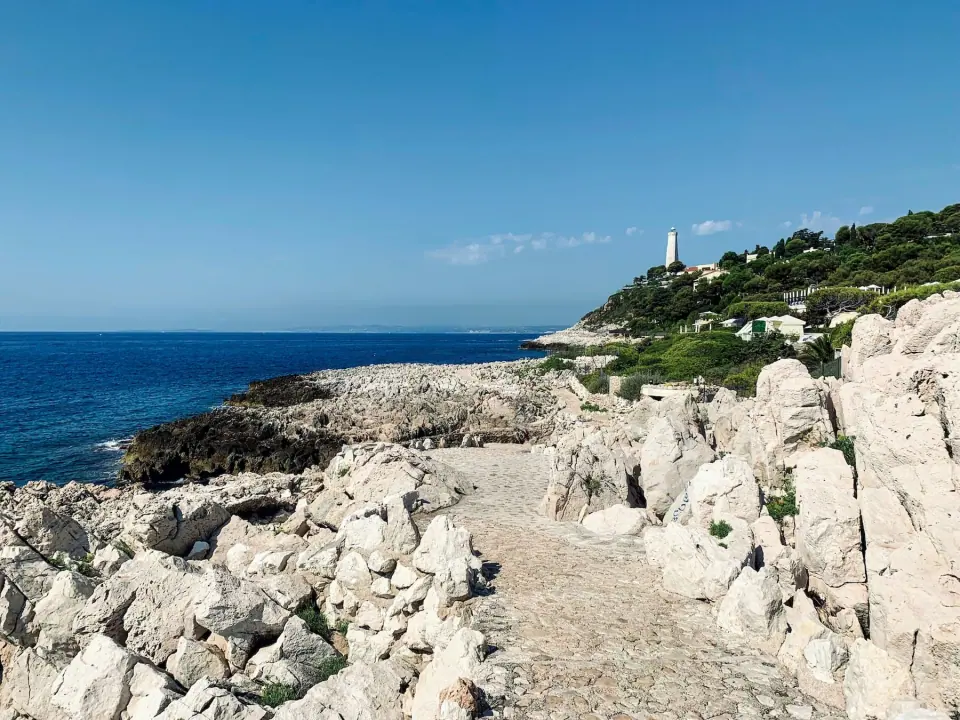
The headland of Saint-Jean-Cap-Ferrat is one of the best places to visit around Nice, and its walking trails are the reason. Several footpaths cross the cape, and one of them, the old customs officers’ path, goes all the way around it along the shore. On a clear day you can see far along the coast. The headland is peaceful, and public drinking fountains along the way let you refill a bottle.
The Cap-Ferrat peninsula
The Cap-Ferrat peninsula lies between Villefranche-sur-Mer and Beaulieu-sur-Mer, with rocky shores, clear water and large private villas. The village of Saint-Jean grew up around its church and its port. The Villa Ephrussi de Rothschild stands at the entrance to the peninsula, and the Saint-Hospice point has a 19th-century chapel and a bronze statue of the Madonna and Child.
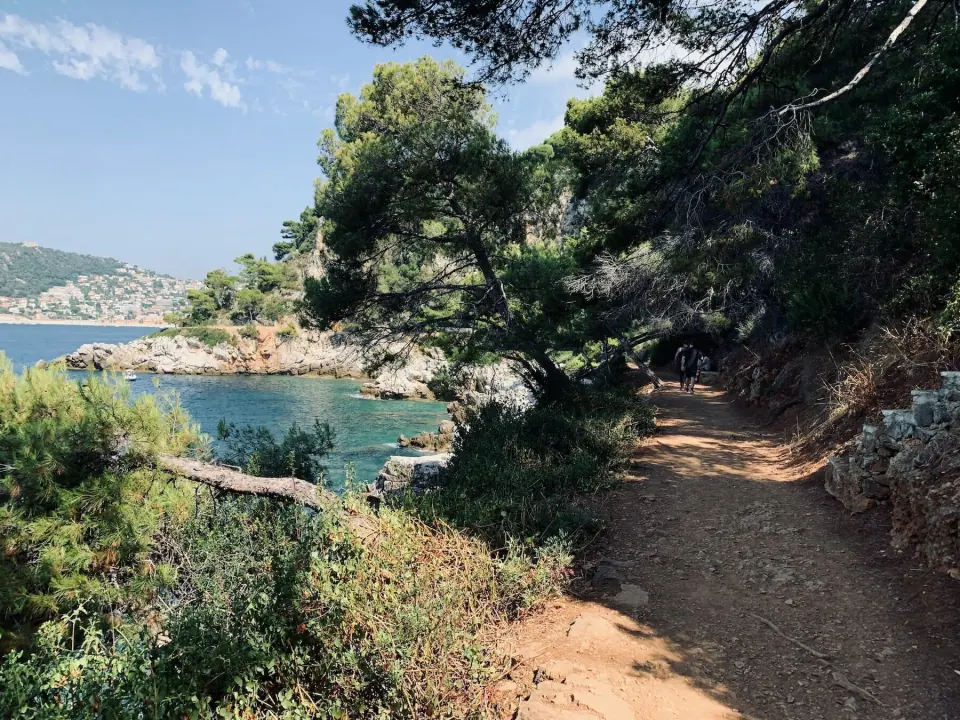
The trails give you views of the coastline and the surrounding hills, and they suit a morning or an afternoon walk.
- The shore path is rocky and steep in places, so wear proper shoes and carry water.
- The best time to walk is early morning or late afternoon, when the sun is not too hot.
Getting to Saint-Jean-Cap-Ferrat from Nice is easy. The simplest way is the regular bus from Nice to the peninsula. There is no railway station on the cape itself: the nearest train stop is Beaulieu-sur-Mer, about 2 kilometers away, from where you walk or change to the bus.
A taxi is the most expensive option and the quickest.
Tourist information and map
You will not fit all of this into a short stay, so choose by interest: the Matisse and Chagall museums in Cimiez if you want art, the Promenade des Anglais and Cap-Ferrat if you want the coast.
Official Nice tourist website
Nice, France tourist map