On this page 12 sections
- Why visit Rome
- The classic sights to see first
- The Temple of Venus and Rome and the Forum from above
- St. Paul’s Basilica and the Non-Catholic Cemetery
- The Pantheon and Raphael’s tomb
- The Tiber River and Tiber Island
- Food tasting tours
- The Capitoline Museums
- The view from the top of St. Peter’s Basilica
- A sunset Segway tour
- The Colosseum at night
- More guides, official website and map
Why visit Rome
Rome is one of the most popular destinations in the European Union, thanks to its ancient monuments, archaeological sites and food. This guide runs through the classic sights first, then lists less obvious things to do: a view over the Forum, the Pantheon’s tombs, the Tiber, a street food tour, the climb to the top of St. Peter’s dome, a sunset Segway tour and the Colosseum after dark.
What adventurous means here
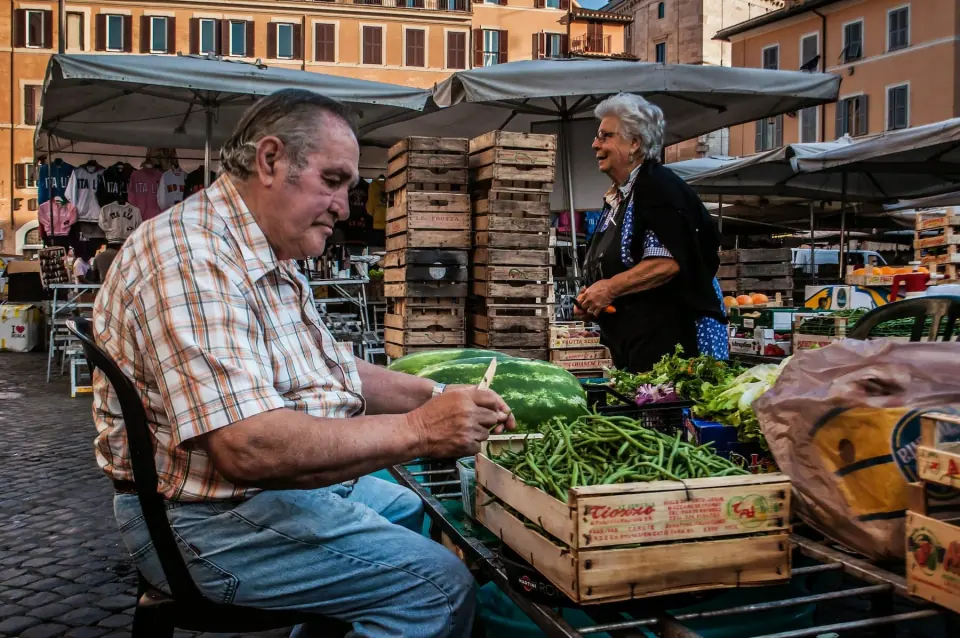
You won’t find skydiving or bungee jumping on this list,. The adventure lies in long stair climbs and seeing famous places from an unusual angle.
The classic sights to see first
The Spanish Steps: built between 1723 and 1725, the staircase has 135 steps. Walk it, but don’t sit down: sitting on the steps has been banned since 2019, with fines of €250. Trevi Fountain: finished in 1762, it is one of the most famous fountains in the world. Throw a coin in to make sure you return to Rome someday. Since February 2026 non-residents need a €2 ticket to go down to the basin during the day. Streets and squares: allow time to walk the streets and piazzas, Piazza Navona among them.
The Colosseum and the Roman Forum: these two landmarks belong on any first visit. One ticket covers both along with the Palatine Hill, and the next section explains a less common way to see the area.
The Temple of Venus and Rome and the Forum from above
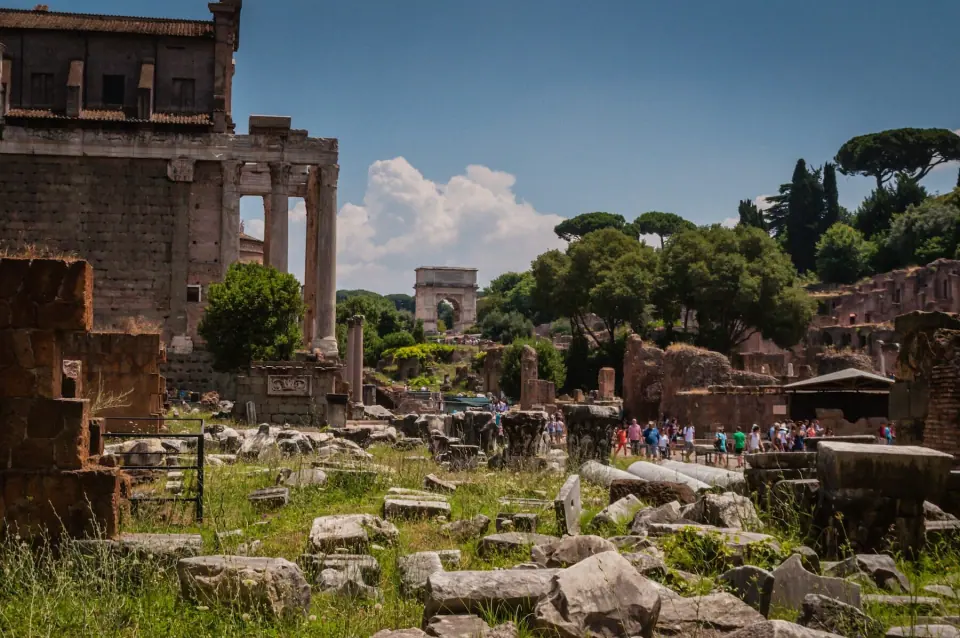
Two spots give you a view of the Forum that most visitors miss. The first is the Temple of Venus and Rome, on the Velian Hill between the Forum and the Colosseum. Hadrian inaugurated it in 135 AD, it is thought to have been the largest temple in ancient Rome, and entry is included in the Colosseum, Forum and Palatine ticket. The second is the Tabularium inside the Capitoline Museums, which looks straight down over the Forum.
St. Paul’s Basilica and the Non-Catholic Cemetery
The Basilica of St. Paul Outside the Walls was founded in the 4th century over the traditional burial place of the apostle Paul. It was almost destroyed by fire in 1823 and rebuilt, and it remains one of Rome’s four major papal basilicas. On the way back to the center, stop at the Non-Catholic Cemetery in Testaccio, beside the Pyramid of Cestius, often called the Protestant Cemetery. Keats and Shelley are buried there. It asks visitors for a small donation.
The Pantheon and Raphael’s tomb
The Pantheon is the resting place of the painter Raphael, the composer Corelli and two kings of Italy. The building was completed under Hadrian around 126 AD and has been a church since 609. Its unreinforced concrete dome is still the largest of its kind in the world. Entry is ticketed, except on the first Sunday of the month, and it is open every day.
The Tiber River and Tiber Island
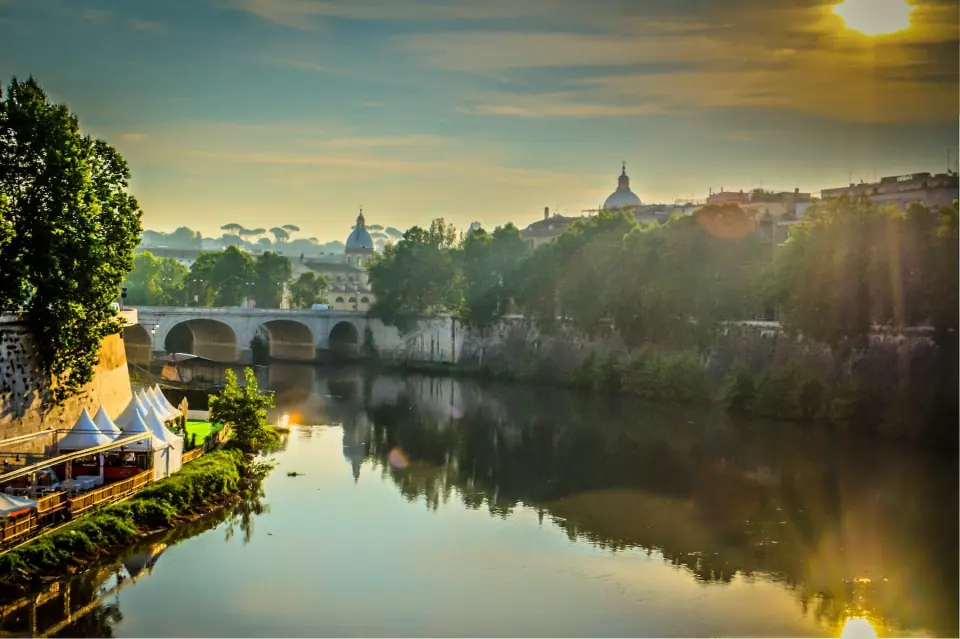
The Tiber is best seen from Tiber Island, the ship-shaped island in the middle of the river. Ponte Fabricio links it to the old center and Ponte Cestio to Trastevere, so you can cross the river on foot by way of the island. On it you’ll find the basilica of San Bartolomeo, built in 998, and in summer an open-air film festival. If you want to kayak or raft the river, confirm with the operator that trips are running, since they depend on season and water level.
Food tasting tours
A street food tour is the one to choose if you want foods the other tours don’t cover. The most popular options are the pizza, gelato and wine tasting tours.
The Capitoline Museums
For ancient Roman art, go to the Capitoline Museums on Piazza del Campidoglio, the square Michelangelo designed. The collection began in 1471 and opened to the public in 1734, and it is often called the oldest public museum in the world. The Capitoline Wolf, the Dying Gaul and the bronze equestrian statue of Marcus Aurelius are here.
The Roma Pass is a card sold in 48-hour and 72-hour versions that covers public transport and entry to participating museums and archaeological sites. You can buy it in the Roma Pass app or at the city’s Tourist Infopoints.
The view from the top of St. Peter’s Basilica
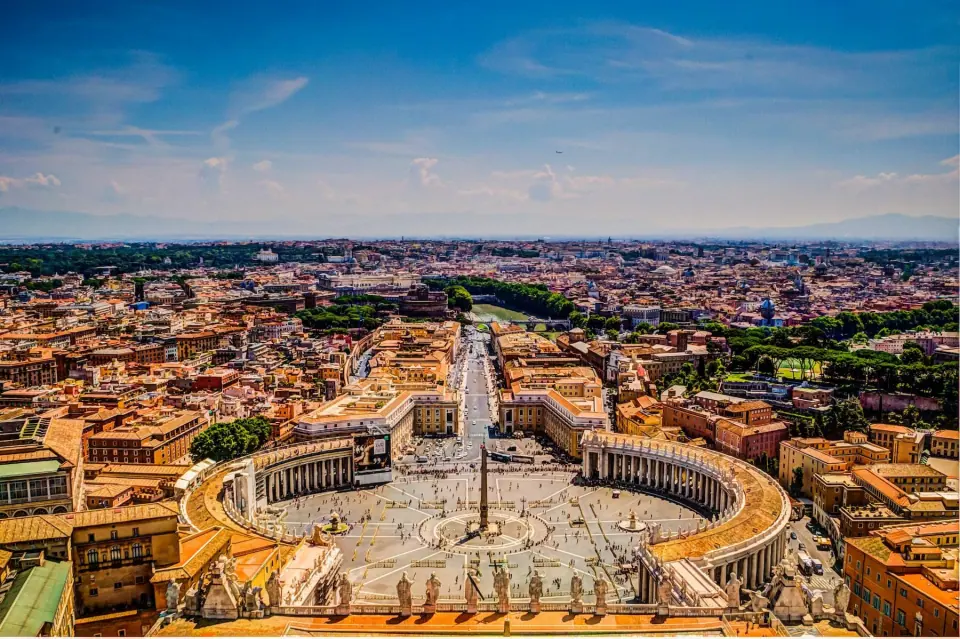
Go up the dome of St. Peter’s Basilica early in the morning, before the crowds arrive. The panoramic view of the city is the reward. You can walk up more than 500 steps or take the lift, but the lift only goes as far as the terrace level, and the rest is on foot. Dress appropriately for a church, wear comfortable shoes and bring water for the climb.
A sunset Segway tour
A sunset Segway tour lets you cover a lot of the city in one evening. Some focus on the big sites, others on less-visited streets. Choose a reputable company and a tour that suits your skill level.
The Colosseum at night
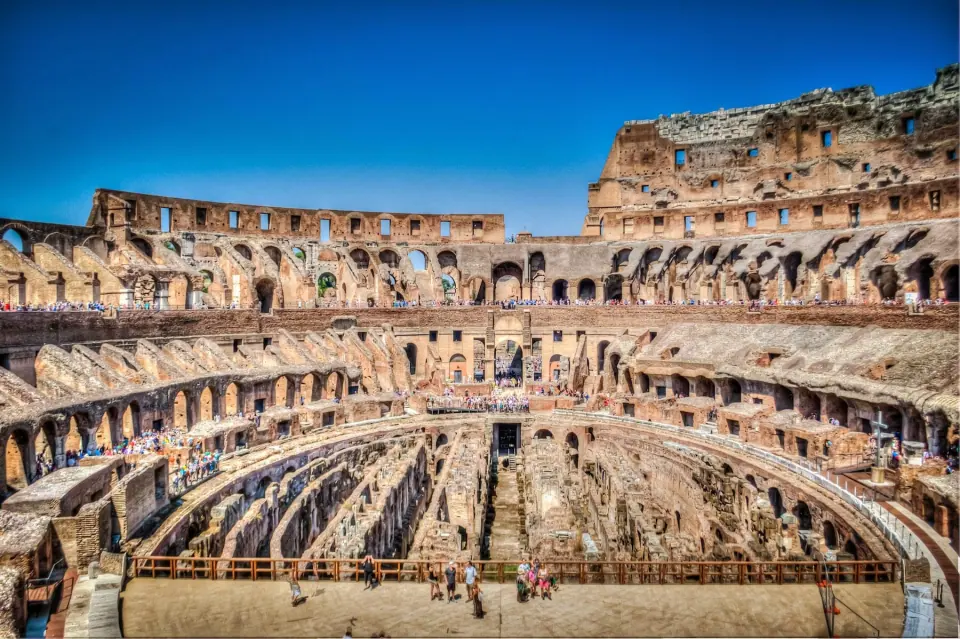
The Colosseum is illuminated after dark and looks its best then, and seeing it from the street costs nothing. In winter the site closes at 4:30 pm, with last admission an hour earlier, and evening visits run only when the archaeological park schedules them. Check the official site, colosseo.it, for current dates.
More guides, official website and map
Rome is most enjoyable when the weather is mild and the crowds are small, so pick a quieter time of year if your dates are flexible.
For another European city, read “10 Top-Rated Tourist Attractions in City of Berlin”.
Rome official tourist website: italia.it/en/rome
Rome tourist map