On this page 12 sections
- Shopping in Dijon
- The Palace of the Dukes of Burgundy
- Parc de la Colombière: a walk under the trees
- Les Halles, the covered market
- Place François Rude
- Notre-Dame and its lucky owl
- Breakfast at a local café
- The historic center and its architecture
- Parks and gardens
- Music and theater
- Where to taste Burgundy wine in Dijon
- Plan your visit
Dijon is the historic capital of Burgundy and today the capital of the Bourgogne-Franche-Comté region of France, known for its mustard, its wine and its architecture. The best things to do are to visit the Palace of the Dukes of Burgundy and its museums, shop for food at Les Halles, walk the historic center past Notre-Dame, and taste Burgundy wine. It is a small city, and it also works as a base for day trips to nearby vineyards, castles, forests and museums.
Shopping in Dijon
For general shopping, walk Rue de la Liberté and the streets around it, such as Rue des Forges. The center is compact and has many small shops, so you can find clothes, gifts and local food products without big-city crowds.
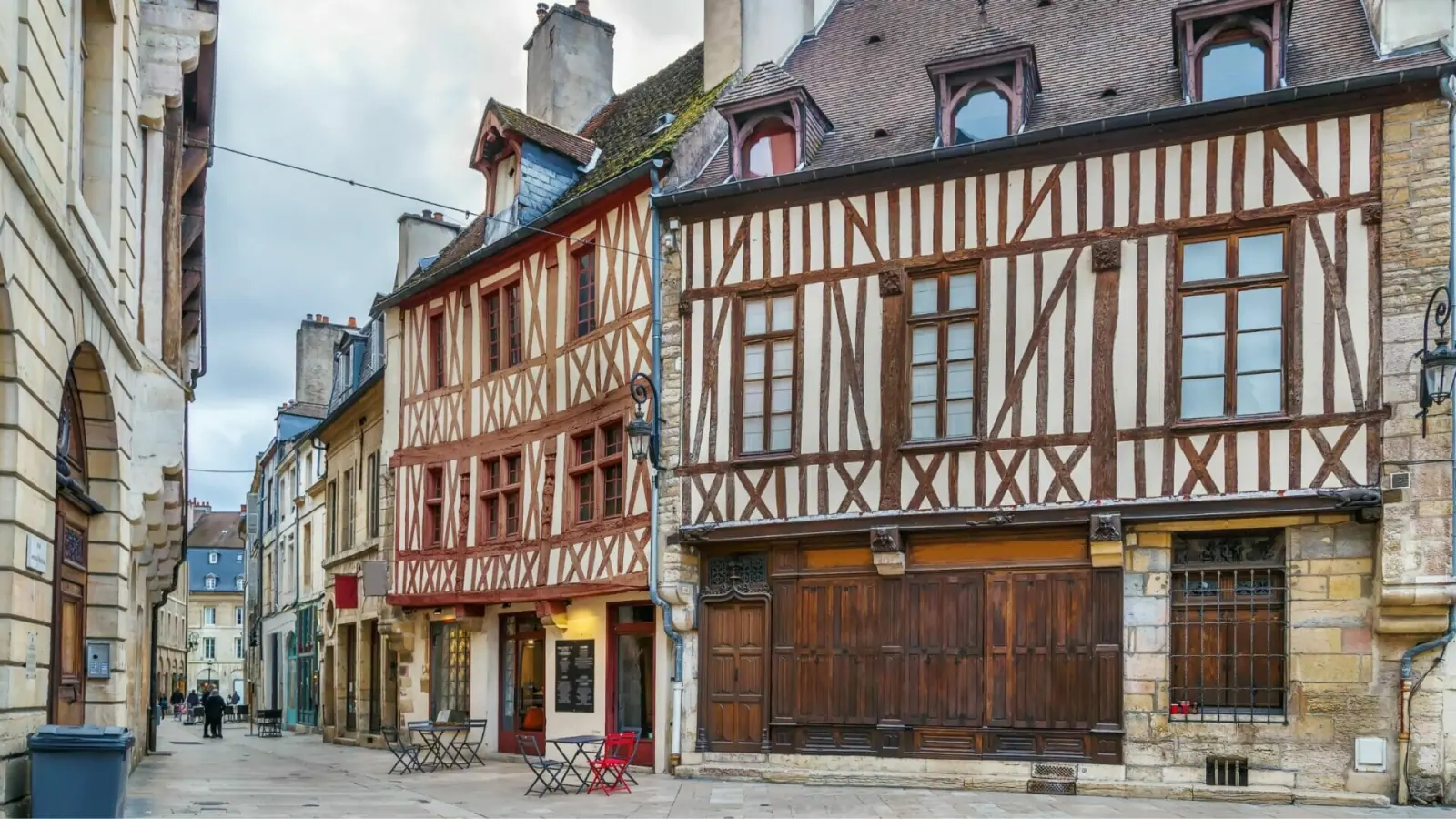
For gingerbread, go to Mulot et Petitjean, which has made pain d’épices in Dijon since 1796. Its historic shop is in a half-timbered house at 13 Place Bossuet, and there are branches at 16 Rue de la Liberté, 1 Place Notre-Dame and 1 Rue de la Chouette.
Rue Verrerie is the street for antique shops.
The Palace of the Dukes of Burgundy
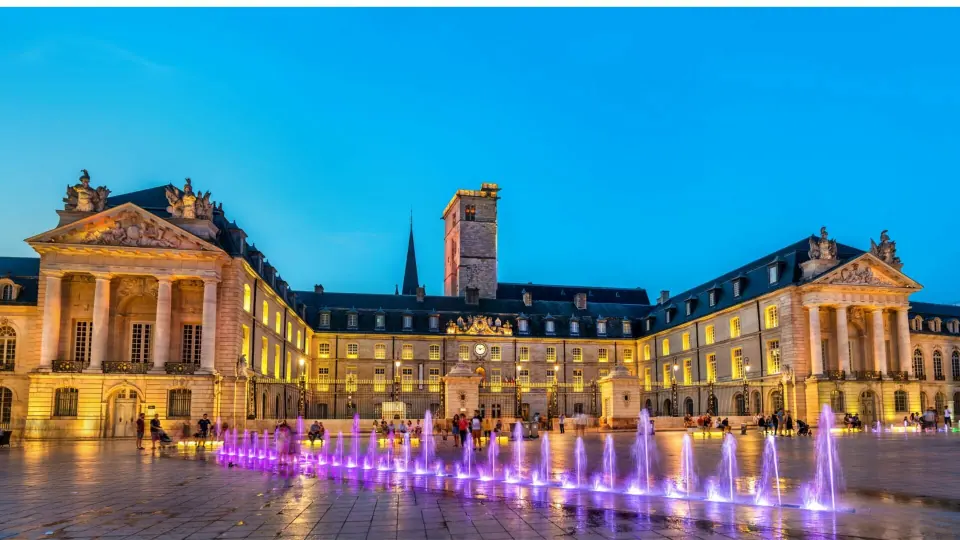
The Palace of the Dukes of Burgundy (Palais des Ducs de Bourgogne) is one of the most important sites in Dijon, and visitors often overlook it.
The medieval palace was begun in the 1360s under Duke Philip the Bold, whose Tour de Bar was finished in 1365. His grandson Philip the Good added the ducal kitchens, completed in 1431, and the 46-metre tower that carries his name, completed in 1455. Most of what you see from the square is later: after the last duke died in 1477 the palace passed to the French crown, and the classical wings were built in the 17th and 18th centuries to designs credited to Jules Hardouin-Mansart.
Today the palace is shared by Dijon’s city hall and the Museum of Fine Arts (Musée des Beaux-Arts), which is the part to go inside.
Parc de la Colombière: a walk under the trees
Parc de la Colombière is the largest park in Dijon, 33 wooded hectares beside the river Ouche, and it suits an easy walk along its straight avenues. It was laid out in 1672 as a formal French garden for the Prince of Condé, and remains of the 1st-century Roman road Via Agrippa cross it.
If you are traveling with young children, the park has play areas and animal enclosures.
Les Halles, the covered market
Les Halles is the place to buy fresh fruit, vegetables, meat, cheese and wine to take with you. The iron-and-glass market hall was built between 1873 and 1875, to a design that came out of the workshops of the Dijon-born engineer Gustave Eiffel, and it trades on Tuesday, Thursday, Friday and Saturday mornings. Try the Dijon mustard while you are there, since it is famous around the world.
The building itself is worth a look. Its four pavilions are arranged around two streets that cross, and the arches carry animal heads and other motifs linked to the market trade. Restaurants of every style surround the halls, which makes this a popular area for going out. On market days stalls also set up around the building and in the neighboring streets. Come on foot and leave time for people-watching.
Place François Rude
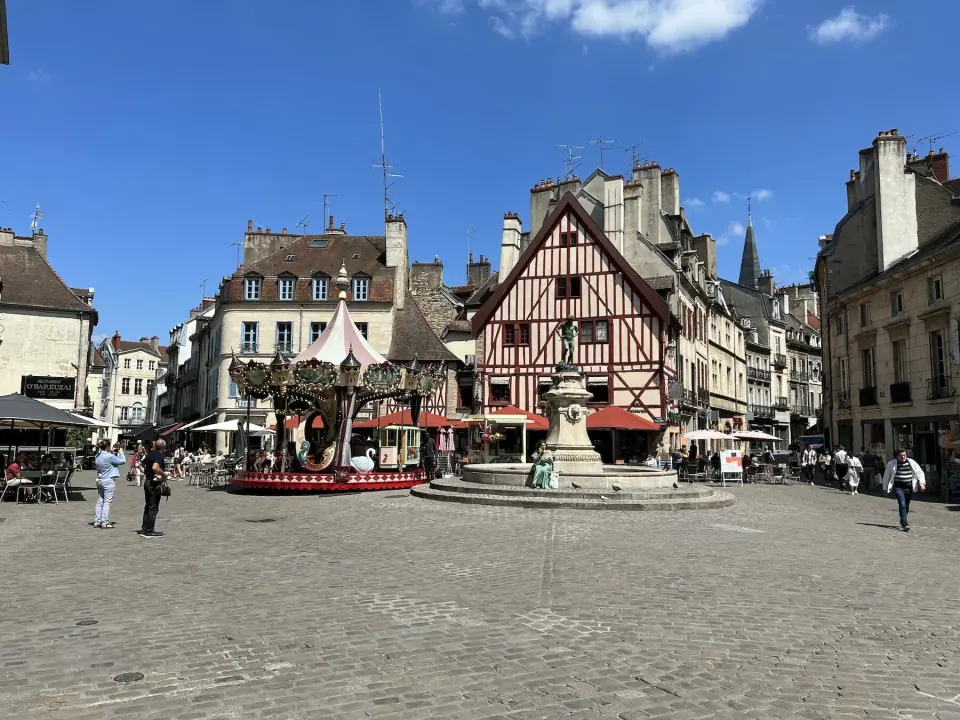
Place François Rude is one of the best-known squares in Dijon and sits right in the city center. Locals also call it Place du Bareuzai, after the bronze figure on top of the fountain, installed in 1904: a grape harvester treading grapes. Cafés and restaurants ring the square, and there is a merry-go-round for small children. The Les Halles market spills onto the square on Tuesdays, Fridays and Saturdays.
Notre-Dame and its lucky owl
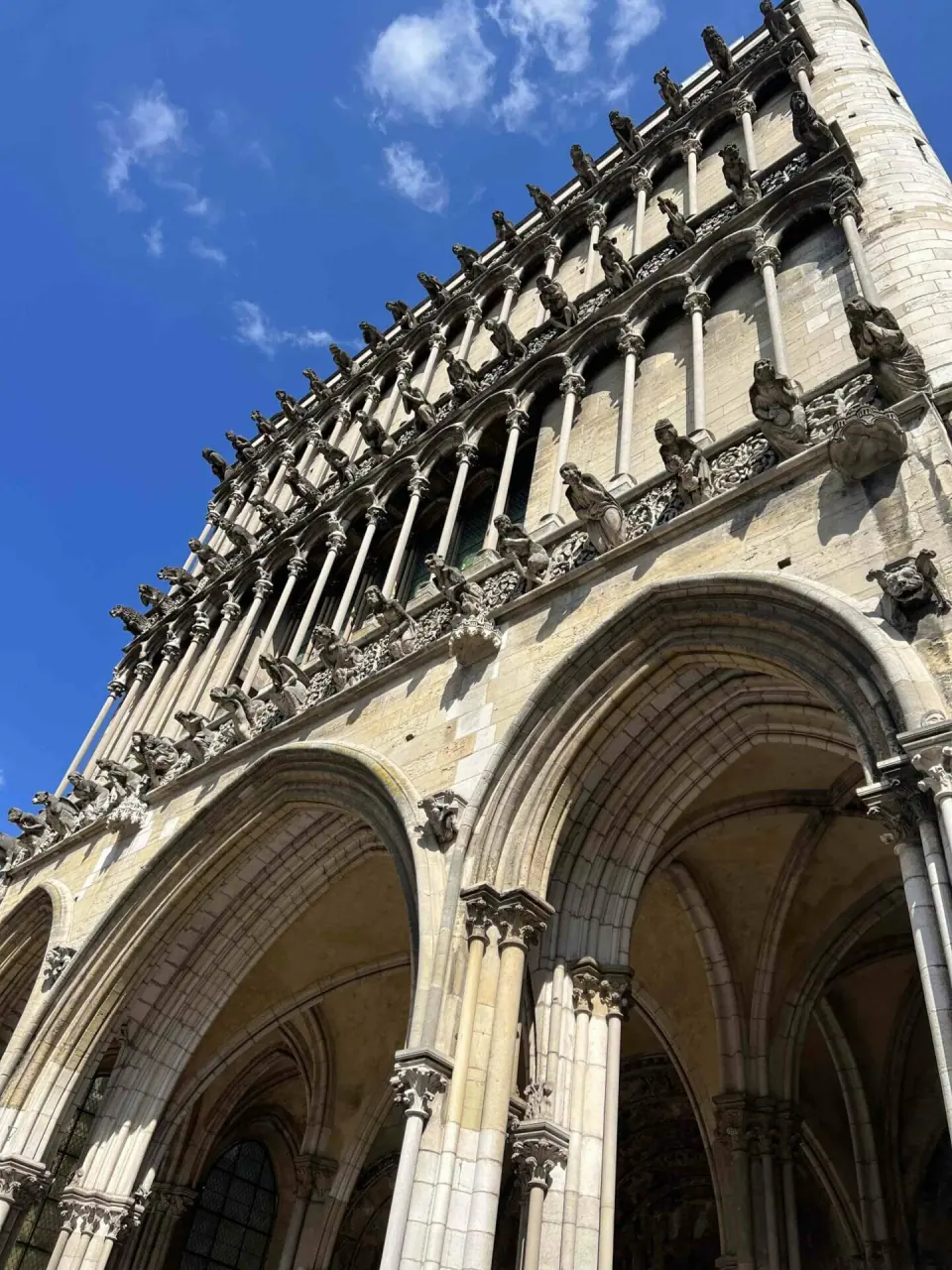
Notre-Dame is one of the most visited landmarks in Dijon and stands in the middle of the city. The Gothic church was begun around 1230. Its façade is lined with rows of gargoyles, recarved in the 1880s. Look for the small owl carved on a chapel on the north side, in Rue de la Chouette. According to local tradition, rubbing the owl with your left hand while making a wish brings good luck.
Breakfast at a local café
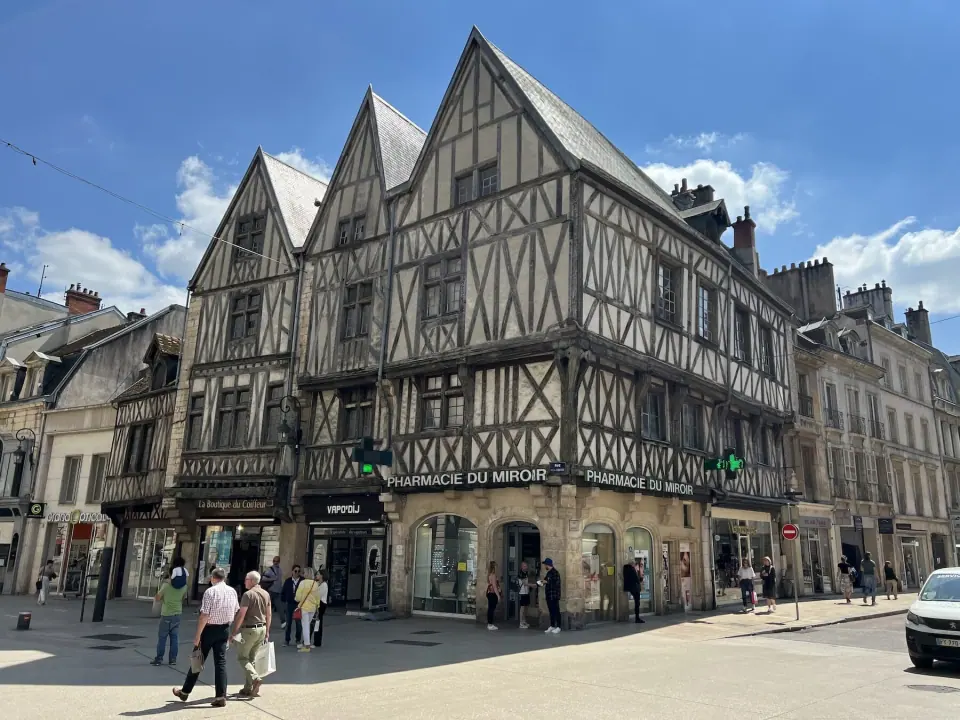
Start the day at one of the local cafés with a fresh croissant and a coffee. If you want something sweeter, ask for a pain au chocolat.
The historic center and its architecture
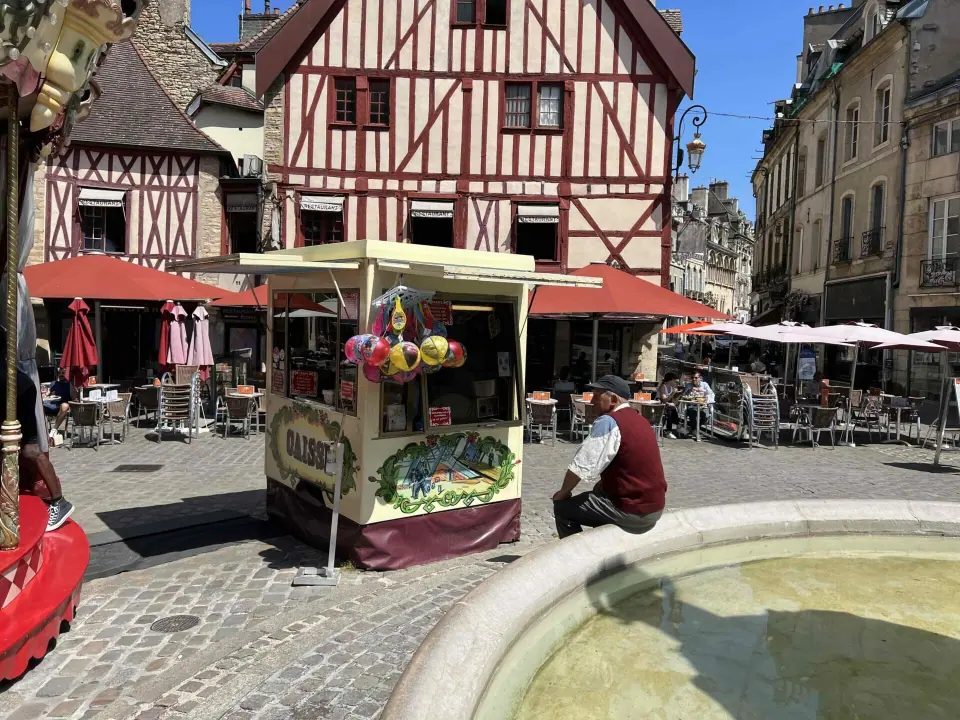
The historic center of Dijon has been a protected “safeguarded sector” since 1966 and covers 97 hectares. It contains 3,000 buildings from many periods, among them Gothic and Romanesque churches, medieval half-timbered houses and grand private mansions from the 17th and 18th centuries. Since 2015 the center has also been part of the UNESCO World Heritage listing for the Climats, the vineyards of Burgundy. Walking it is the best way to see how much of the old city survives.
Parks and gardens
The Dijon Botanical Garden (Jardin botanique de l’Arquebuse) is the one to visit if you only have time for a single green space. Entry is free, and the collection runs to nearly 4,000 plant species, with an emphasis on the flora of Burgundy.
Music and theater
For an evening out, check the program of the Opéra de Dijon, which performs through the year at the modern Auditorium and at the Grand Théâtre, built in 1828.
Where to taste Burgundy wine in Dijon
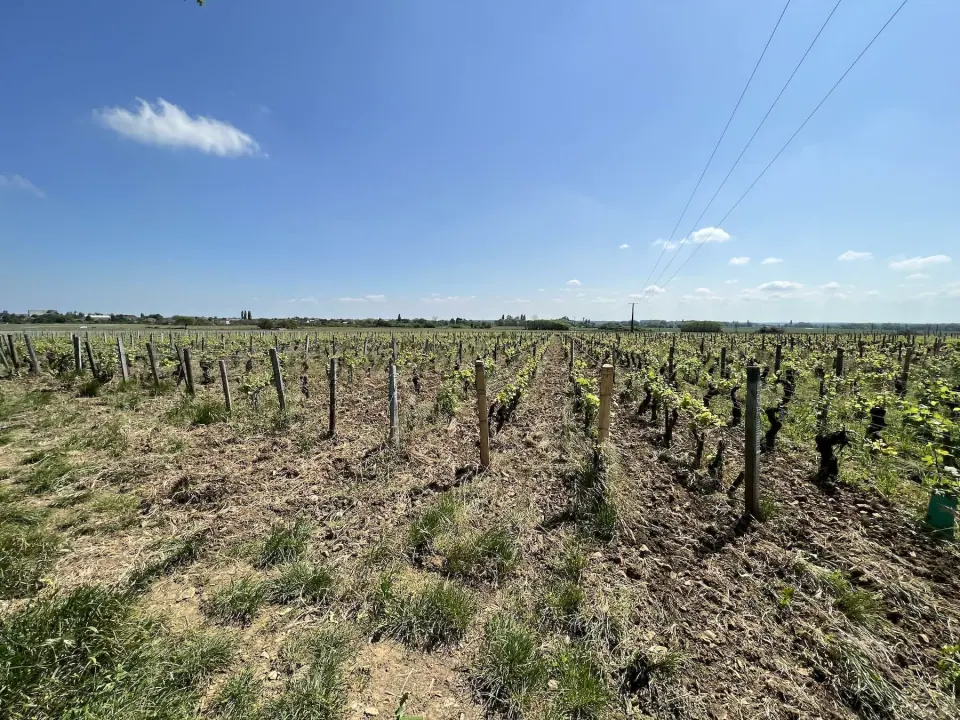
Burgundy is a famous wine region, so tasting some is close to obligatory. You have two options: visit one of the many vineyards just outside town that run tours and tastings, or order a glass at one of Dijon’s cafés or restaurants.
Three wine names to know
Caveau de la Porte Guillaume
The Caveau de la Porte Guillaume is in the center of the city and stocks a wide selection of wines from all over Burgundy. The caveau also serves cheese and charcuterie plates, so you can make a light meal of it.
Domaine du Pavillon
Domaine du Pavillon is not in Dijon. It is an estate of the Beaune wine house Albert Bichot, with vineyards at Pommard and Meursault on the Côte de Beaune, south of Beaune. Bichot’s website does not advertise visits there, so look for its wines on lists and in shops in Dijon and ask the producer before making the trip.
La Cave de la Cité Internationale de la Gastronomie et du Vin
The Cité Internationale de la Gastronomie et du Vin opened in May 2022 on the Parvis de l’Unesco, with exhibitions, tasting workshops and a Burgundy wine school. Its wine cellar, La Cave de la Cité, opened with about 3,000 wines, some 250 of them served by the glass. Several of the Cité’s restaurants and shops closed in 2026, so check the Cité’s official website to see what is open before you go.
Plan your visit
For opening details and current events, go to Destination Dijon, the official Dijon tourism website.
Dijon tourist map: