On this page 9 sections
London at a glance
London is almost two thousand years old, founded by the Romans around AD 47, and one of the most visited cities in the world, and you can see a great deal of it without spending much. This guide covers the main historical sites, the art and market districts, the best-known landmarks, where to eat, and the practical side: transport cards, accommodation and ways to save.
History you can walk into: The Tower of London is medieval, Westminster Abbey is Gothic, and both sit within reach of cobbled streets, royal palaces and long-established museums.
Something for each interest: Tate Modern covers modern art, Bond Street covers designer shopping, Borough Market covers food, and Leake Street, also called the Banksy Tunnel, covers street art.
Workable on any budget: The city has luxury hotels and Michelin-starred restaurants, but it also has affordable hostels, free museums and street markets. A first trip here does not have to be expensive.
Neighbourhoods worth the walk: Camden Market is loud and busy. The Sky Garden is calm and green. The contrast between districts is a large part of why people come back.
How to use this guide: The sections below mix famous sights with a few quieter ones and work for a short break or a longer stay. Free options are pointed out as they come up.
London historical sites
If you only have time for two historical sites, make them the British Museum, which is free, and the Tower of London. The other four below are worth adding on a longer stay.
The British Museum
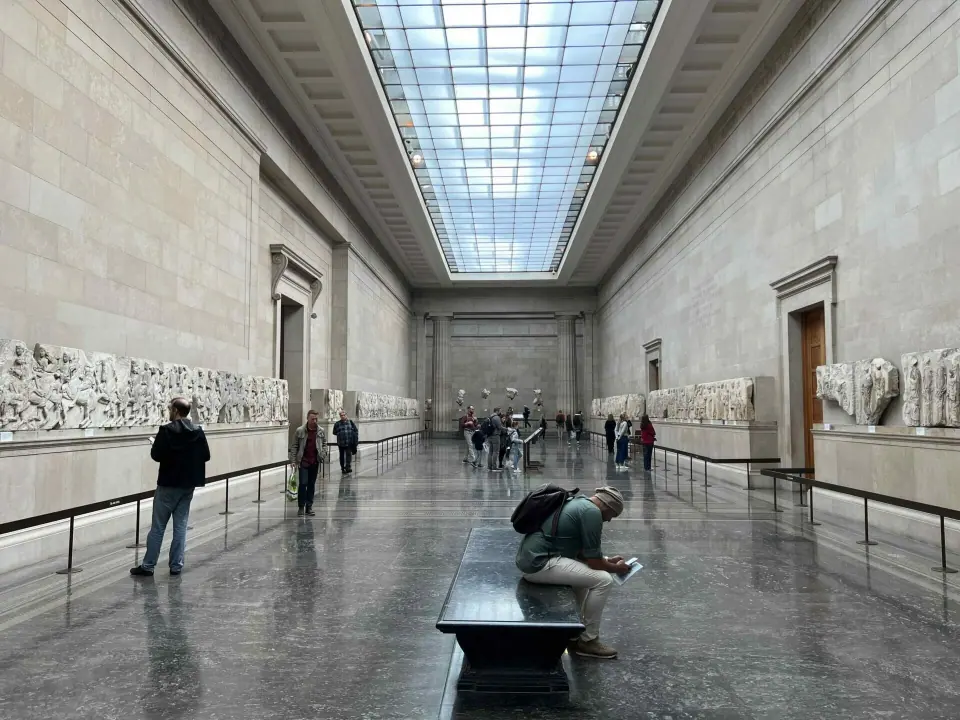
Entry is free, and the collection runs to more than eight million objects. The Rosetta Stone, the Elgin Marbles and the Egyptian mummies are the highlights. The Great Court is the largest covered square in Europe.
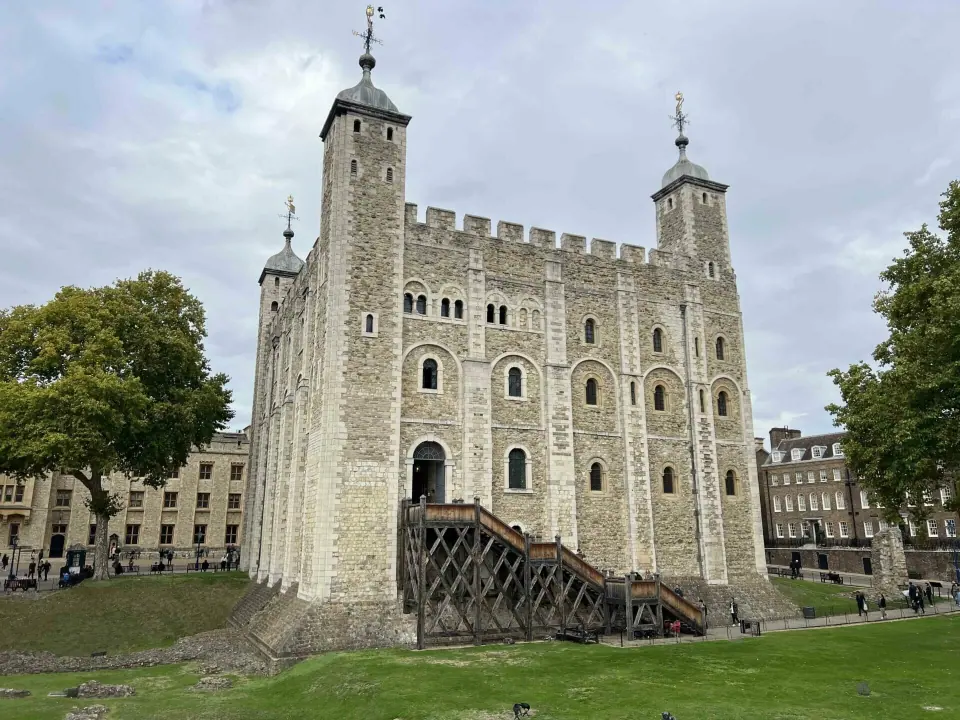
The Tower of London
Buy tickets online to avoid long queues. The Tower has served as a palace, a prison and a treasury, and its White Tower dates back to 1078, a surviving piece of Norman architecture. See the Crown Jewels exhibition and join one of the Yeoman Warder tours.
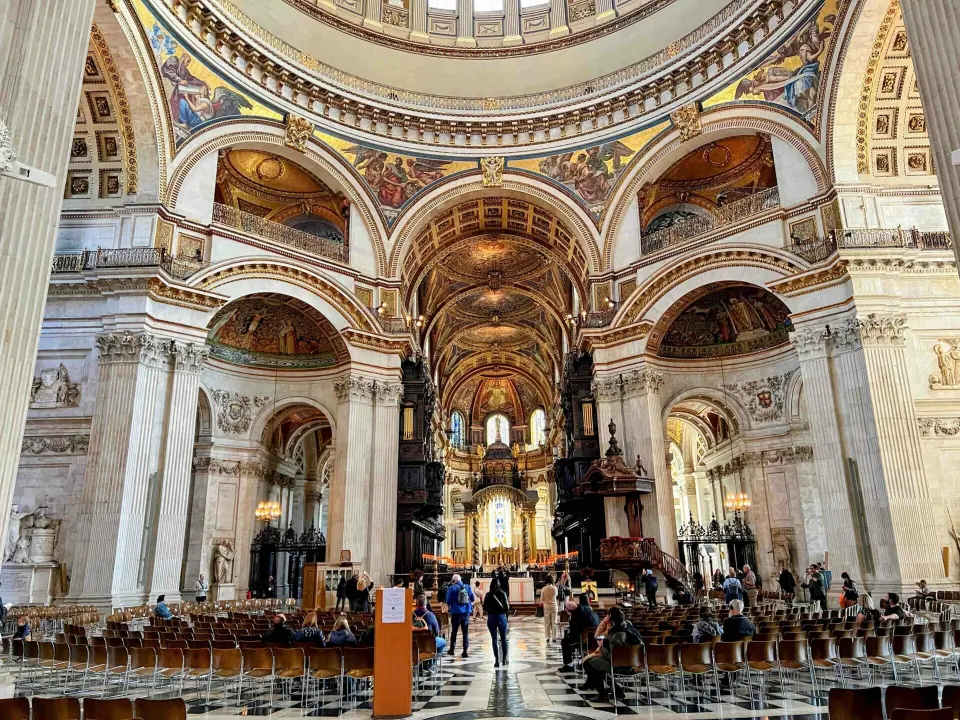
St. Paul’s Cathedral
Sir Christopher Wren designed the cathedral, and the dome and its mosaics are the reason to go inside. Climb to the Whispering Gallery to test its acoustics, or keep going higher for views across the city. The crypt holds memorials to Lord Nelson and the Duke of Wellington, among others.
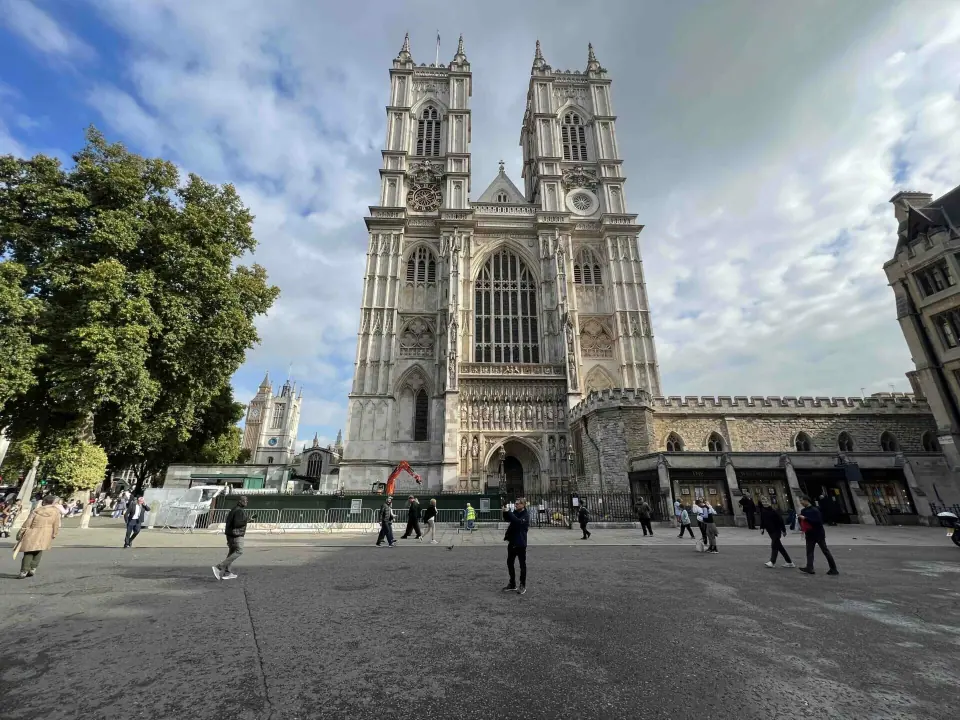
Westminster Abbey
Every coronation since 1066 has taken place in this Gothic church. Look for Poets’ Corner, which honours writers, and the medieval Lady Chapel.
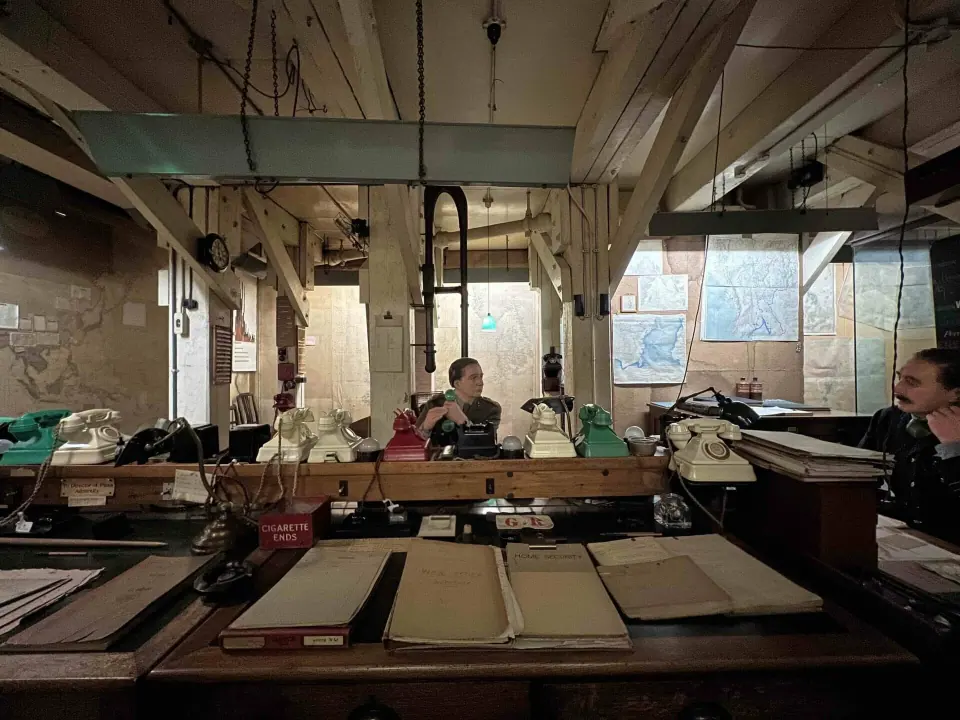
Churchill War Rooms
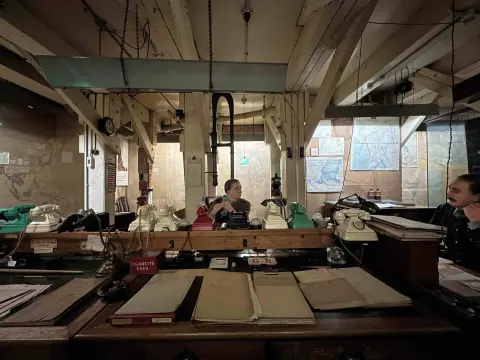
This is Winston Churchill’s underground bunker, preserved as it was during World War II. You walk through the Map Room and the Cabinet Room, then into the adjoining Churchill Museum, which covers his life. We have a separate guide to visiting the Churchill War Rooms.
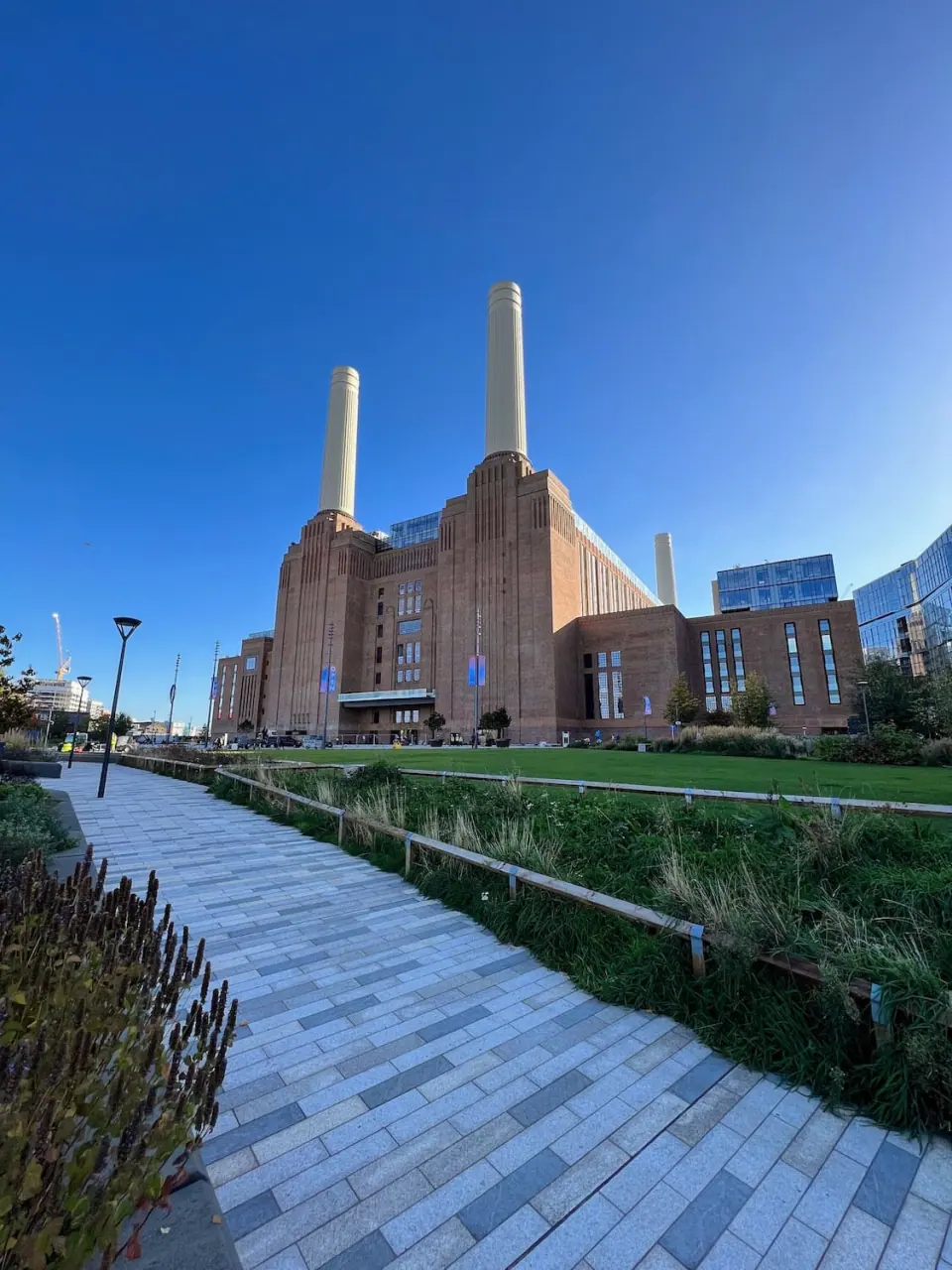
Battersea Power Station
The former power station is now a complex of restaurants, shops and cultural spaces, and its outline is still one of the most recognisable on the skyline. Go inside for the restored art deco interior. It is a good example of an industrial building that was reused instead of demolished.
Between them, these six sites run from ancient civilisations at the British Museum to twentieth-century industry at Battersea.
Art and culture
Tate Modern and Leake Street are both free, so London’s art costs nothing to sample. Covent Garden and Notting Hill add street performance, craft markets and small galleries.
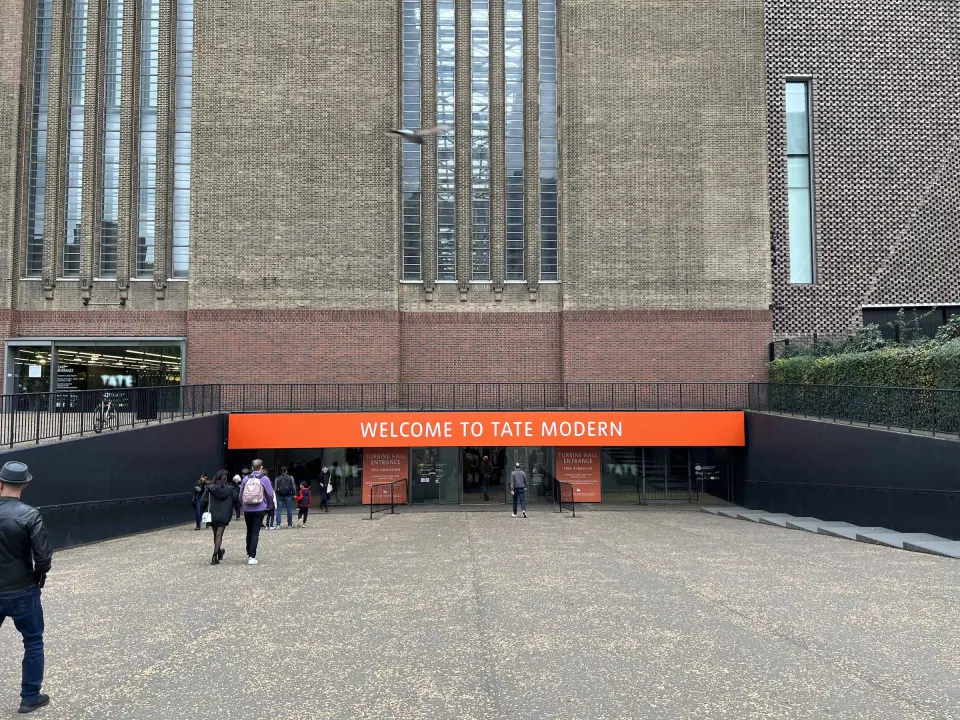
Tate Modern
Entry to the main collection is free; special exhibitions are ticketed. The museum occupies a converted power station on the Thames and shows modern and contemporary art from around the world, including work by Picasso, Hockney and Warhol. See the large installations in the Turbine Hall. The restaurant and bar on Level 6 looks across the Thames to St Paul’s.
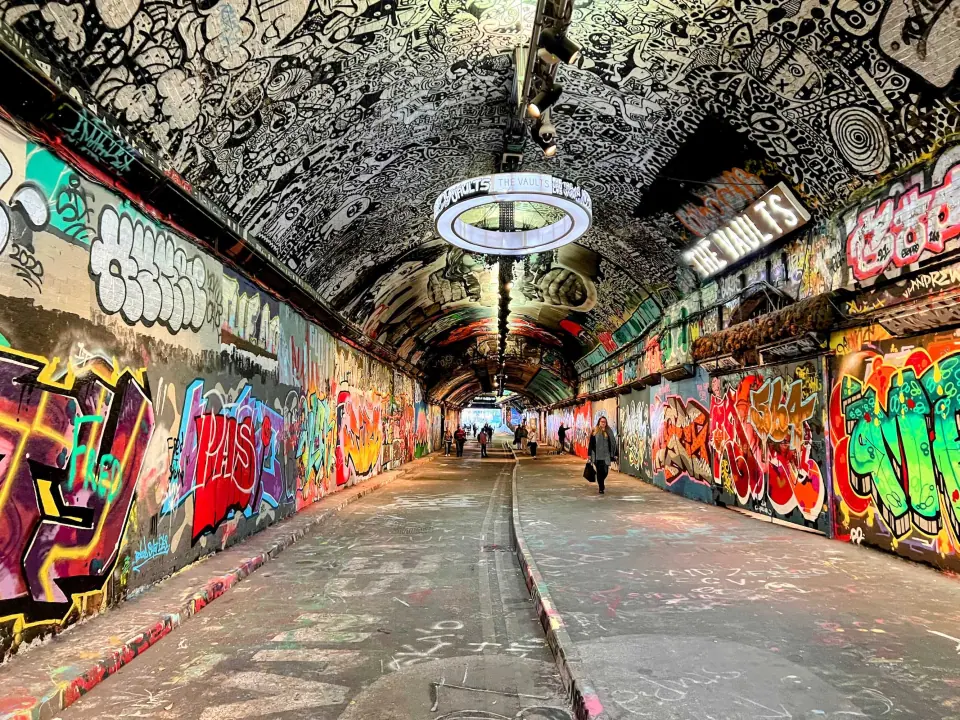
Leake Street (Banksy Tunnel)
Leake Street is an authorised graffiti area, free to walk through, and the walls change constantly as local and international artists paint over one another. It is one of the lesser-known stops in this guide. Bring a camera, because what you photograph may be gone a week later.
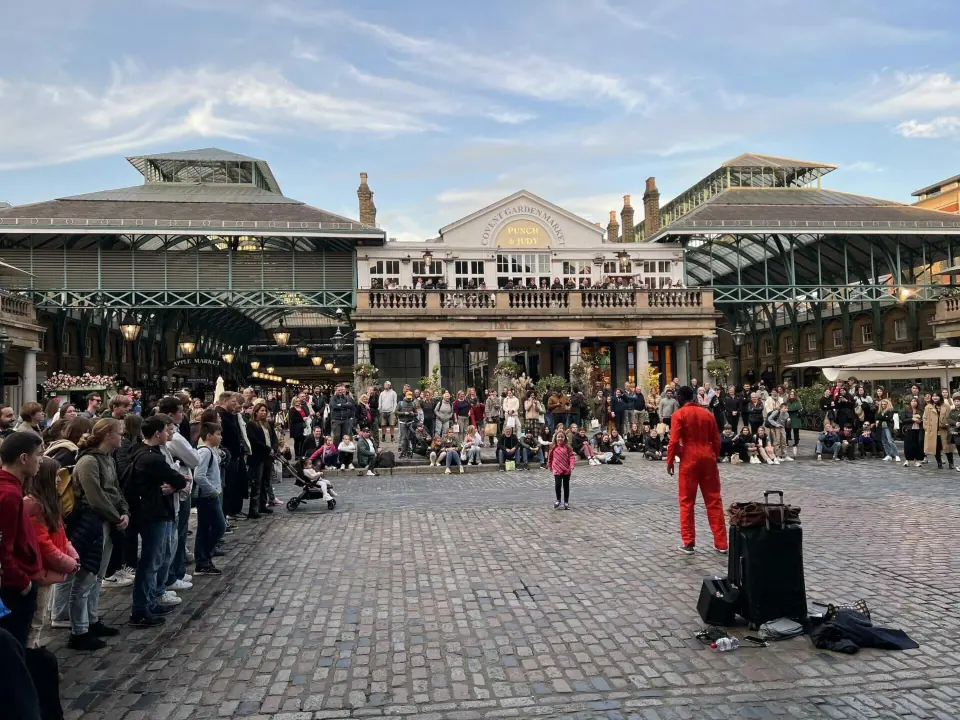
Covent Garden
Street performers, musicians and magicians work the piazza all day, and watching them is free. The Apple Market sells handmade crafts and local art, and the Royal Opera House is close by if you want a ticketed performance.
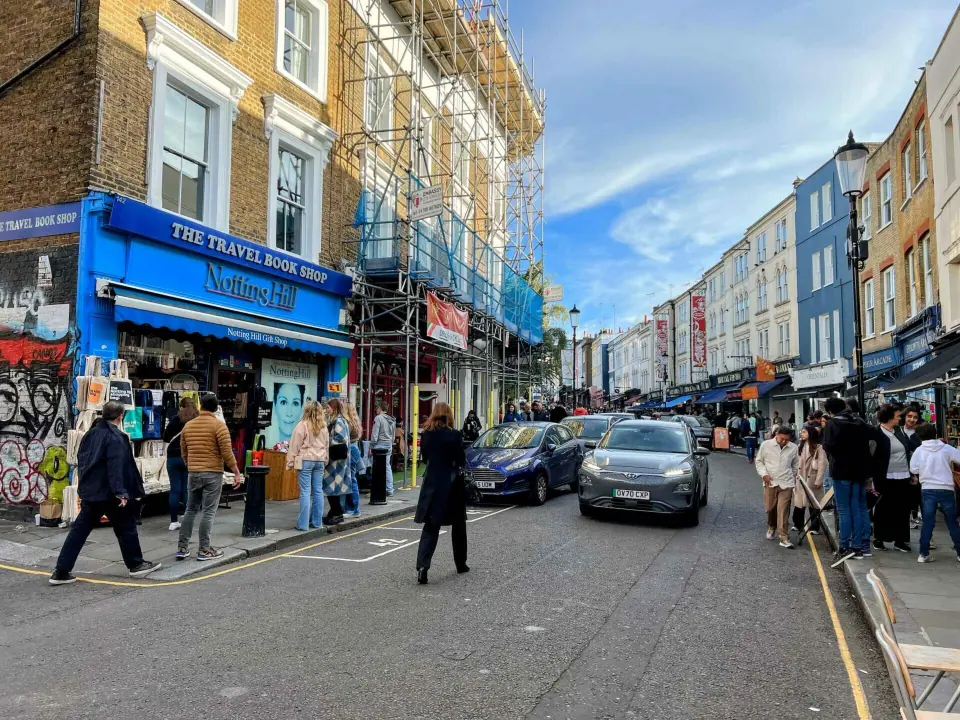
Notting Hill
Notting Hill is known for its colourful houses and for the annual Notting Hill Carnival. Portobello Road Market mixes antiques and fashion with stalls run by local artists. The side streets have bookshops, art galleries and painted walls that reflect the area’s multicultural history.
Shopping and entertainment
Shop at Oxford Circus for high-street names, Bond Street for luxury and Camden for vintage. For an evening out, the West End is the obvious choice, and the South Bank is the free one.
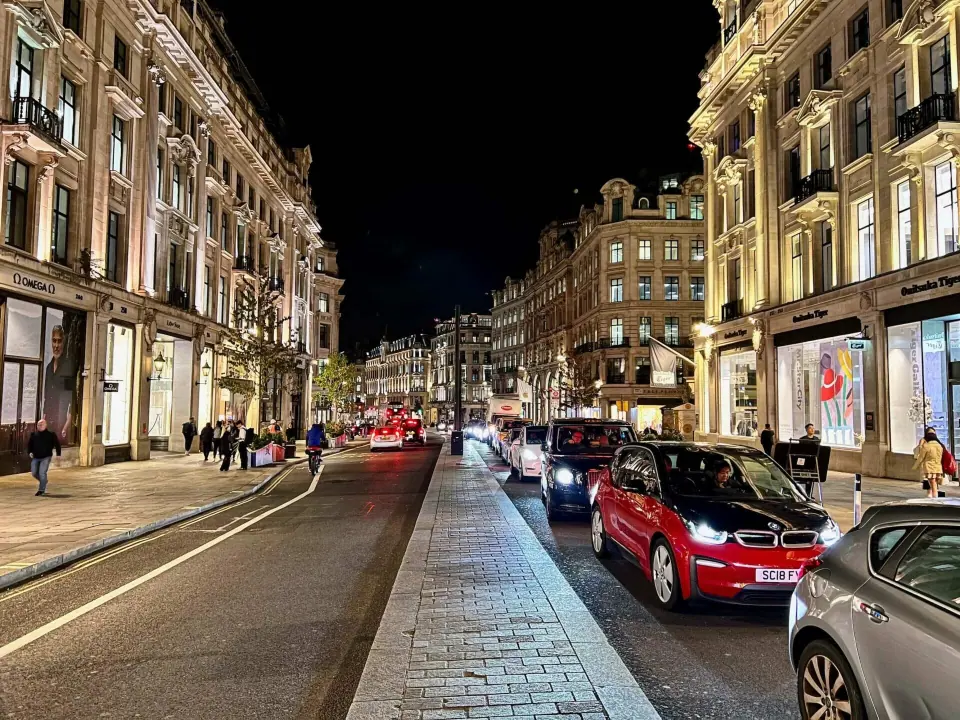
Oxford Circus
Oxford Circus is where Oxford Street meets Regent Street, and the area has more than 300 shops, from flagship department stores such as Selfridges to high-street chains. Carnaby Street, nearby, is pedestrianised and has smaller boutiques and plenty of places to eat.
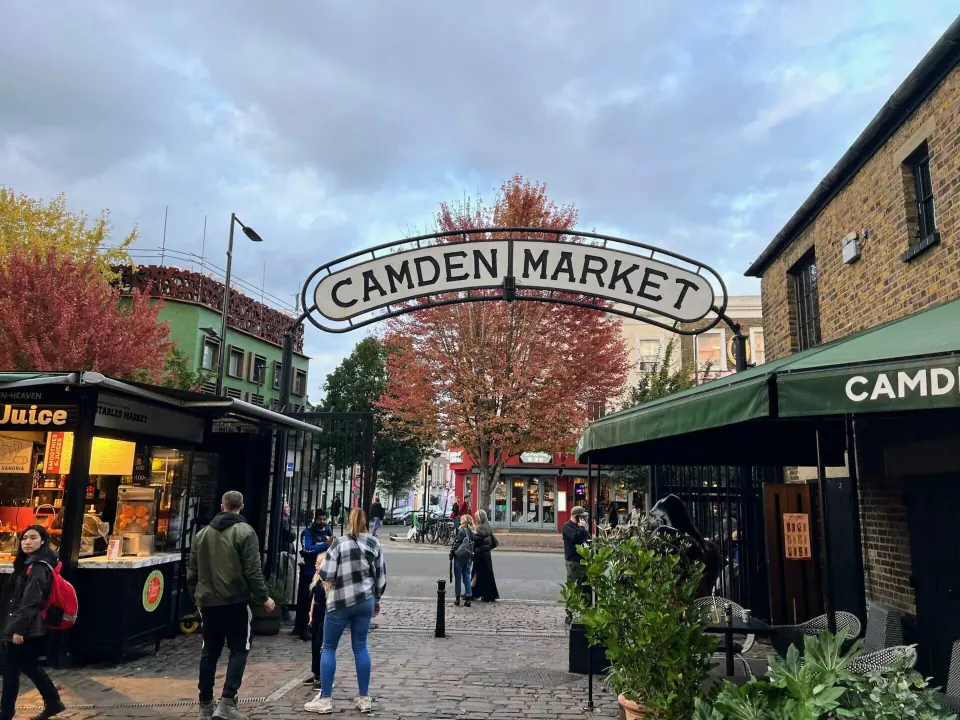
Camden Market
Camden is several markets in one. Camden Lock Market sells artisan crafts, Stables Market sells vintage clothing, and the food market serves dishes from around the world. Live music venues and street performers keep the area busy, so you can shop, eat and find entertainment in a single visit.
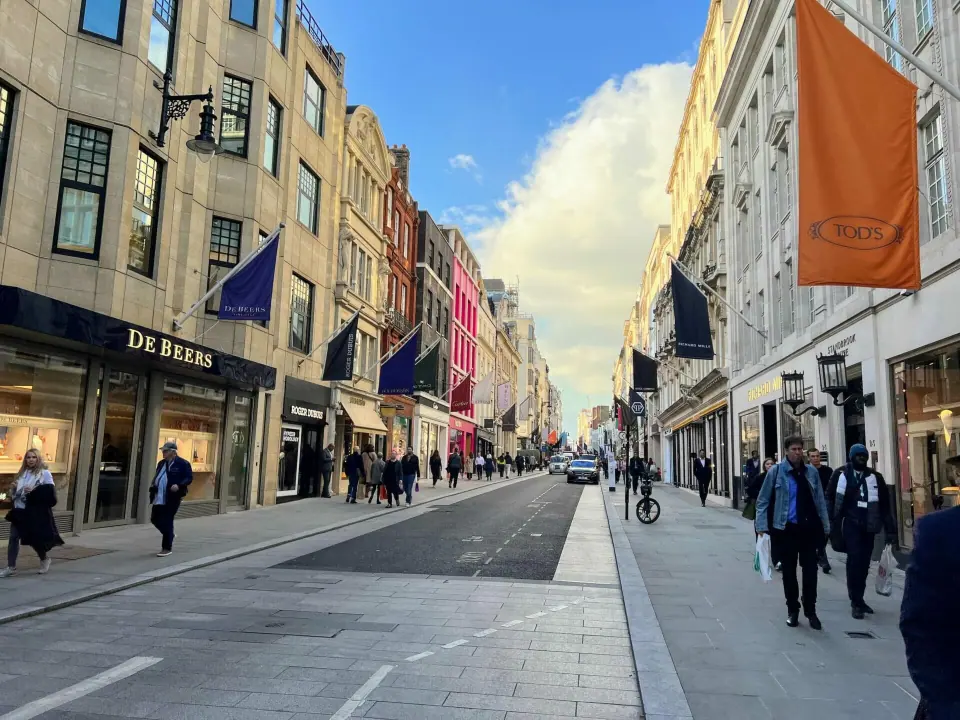
Bond Street
Bond Street is the address for luxury shopping, with Chanel, Louis Vuitton and Tiffany & Co. among the names. The Royal Academy of Arts and several upmarket galleries are nearby, so you can combine window shopping with an exhibition.
Covent Garden
Covent Garden is also a shopping and dining district. The market building houses independent shops, and Neal’s Yard has indie brands and beauty products. The Theatre Royal Drury Lane, nearby, stages musicals and plays.
West End theatres
Look for discounted tickets at the TKTS booth before you pay full price. It stands in the Clocktower Building on the south side of Leicester Square and sells on-the-day tickets for West End shows, and the same tickets go on sale online through Official London Theatre. The choice of shows runs from long-running musicals to new plays.
South Bank
A walk along the South Bank of the Thames passes street musicians, skate parks, food trucks and outdoor exhibitions. The Southbank Centre, BFI Southbank and the National Theatre are all on this stretch.
Notting Hill
After dark, Notting Hill has the Electric Cinema, which offers an old-fashioned film night, and local bars and clubs with live music.
Much of this costs nothing. Street performances and riverside walks are free, and they balance out a day of shopping.
London landmarks
For a free view over the city, book the Sky Garden. For the classic photographs, go to Tower Bridge, Big Ben and Buckingham Palace.
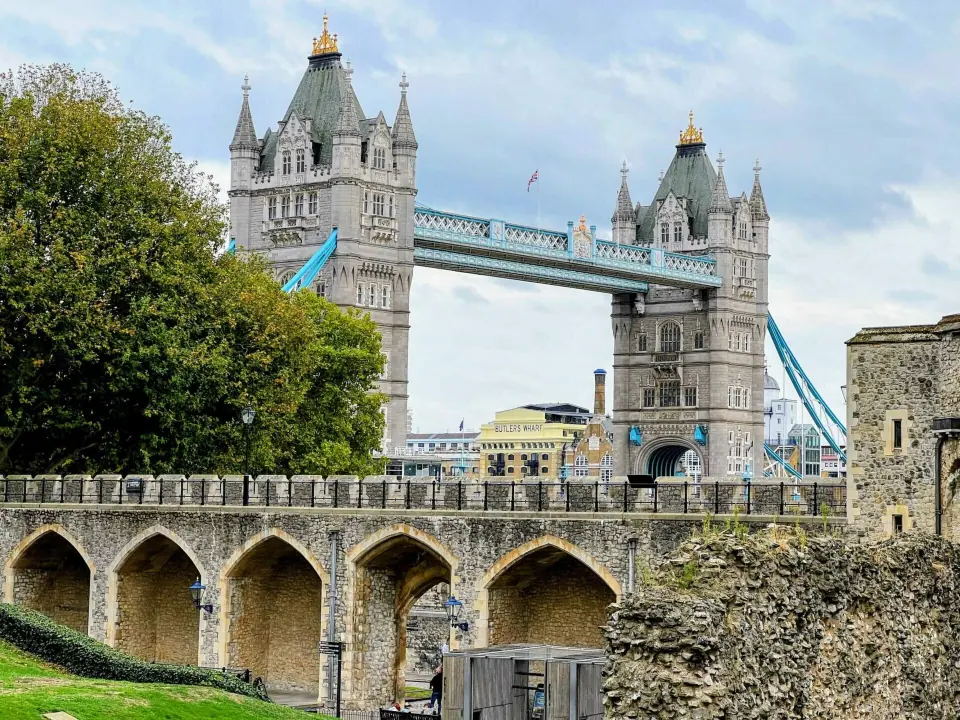
Tower Bridge
You can do more than cross Tower Bridge. The high-level walkways have glass floors and wide views of the city, and the Victorian Engine Rooms show how the bridge was powered. If you can, time your visit to watch the bascules lift.
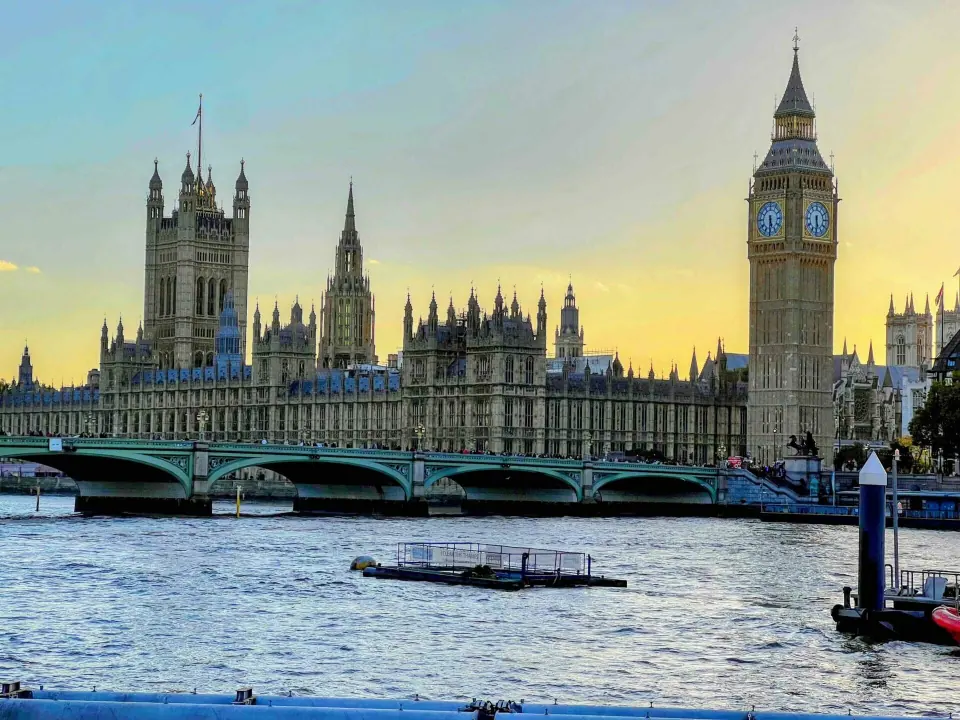
Big Ben
The clock tower is officially called the Elizabeth Tower, and it is attached to the Houses of Parliament. Strictly, Big Ben is the Great Bell inside it. The restoration that began in 2017 is finished: the tower came out from behind its scaffolding at the end of 2021 and the last of the gantry was removed in 2022, so you can photograph it without obstruction.
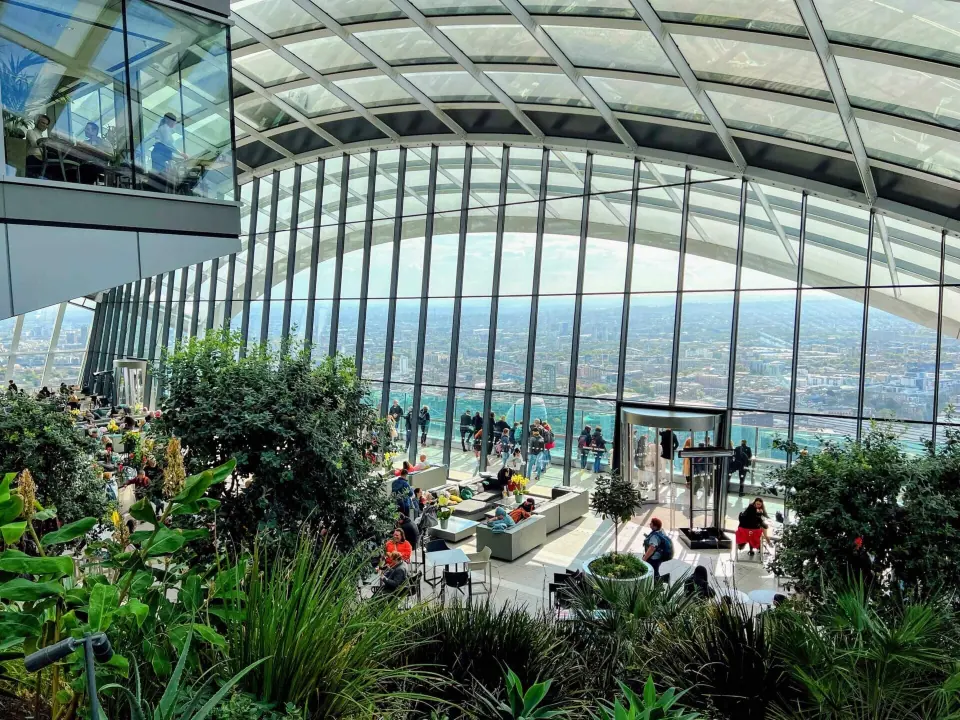
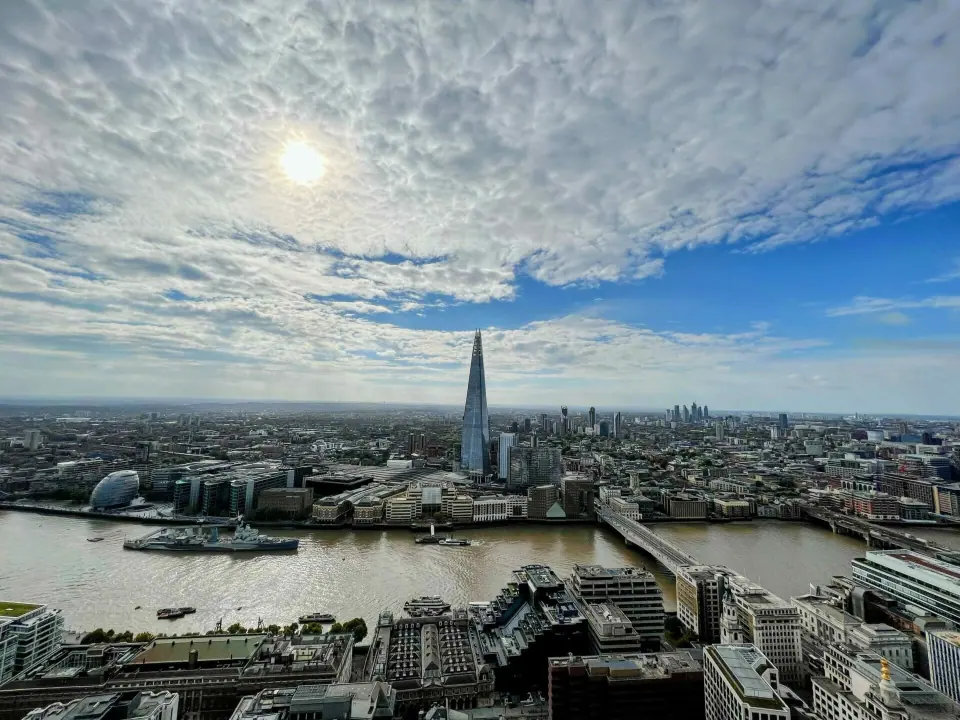
Sky Garden
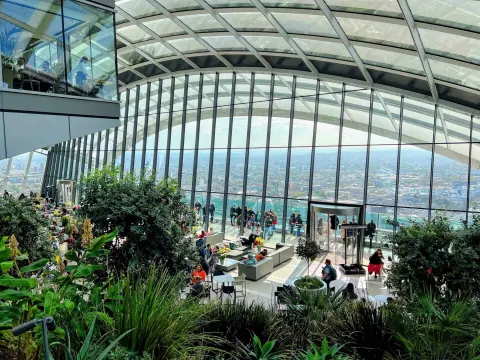
The Sky Garden is free, but you have to reserve a ticket in advance on the Sky Garden booking page. It is London’s highest public garden, at the top of 20 Fenchurch Street, with landscaped planting, observation decks, an open-air terrace and 360-degree views. You can have a coffee or a meal at one of the restaurants on site. Our separate post explains how to visit the Sky Garden for free.
The Shard
The Shard is the tallest building in the UK and in Western Europe, at just under 310 meters. Its viewing gallery occupies floors 68 to 72, with the open-air deck on the 72nd floor. Tickets are sold online, with champagne options and combination tickets that include other attractions.
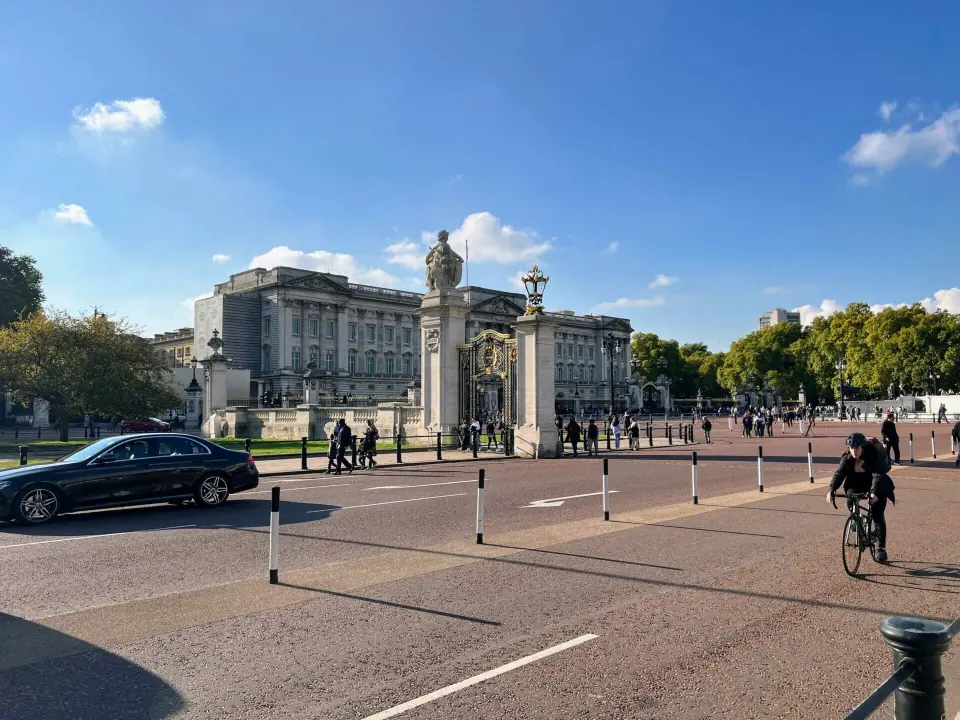
Buckingham Palace
Buckingham Palace is the residence of Britain’s monarch. Watch the Changing of the Guard ceremony outside, or tour the State Rooms, which open during the summer months. St. James’s Park, next door, has good views of the Palace and is a pleasant place to sit down afterwards.
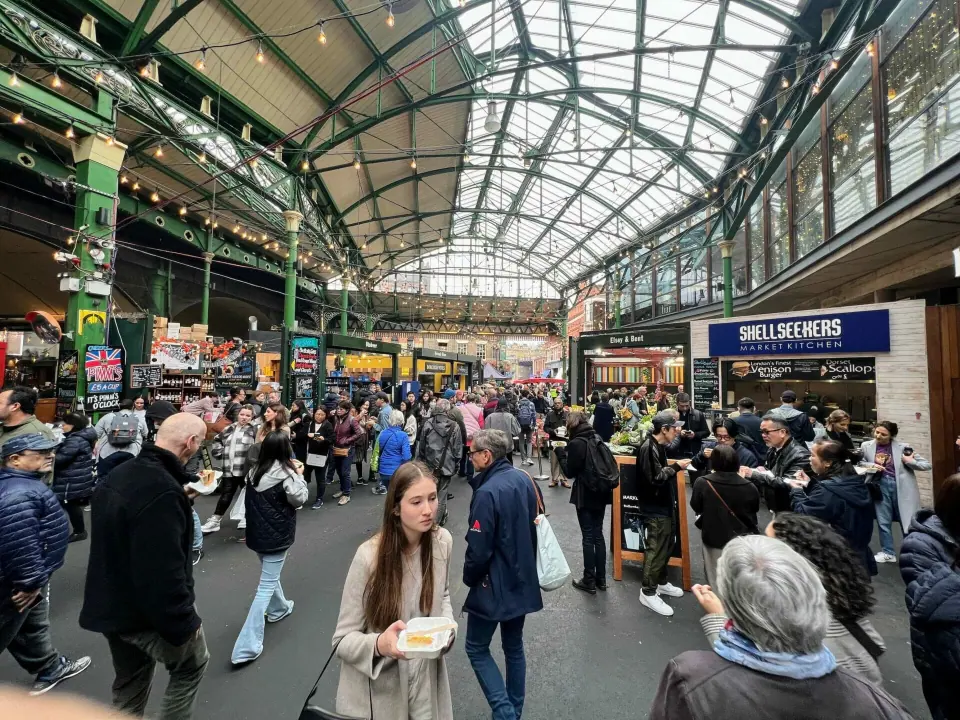
Borough Market
Borough Market is not a landmark in the usual sense, but it is London’s best-known food market and draws locals as well as tourists. Go to sample food from around the world or to buy fresh produce, and expect crowds.
Food and local experiences
Eat at least one pub meal and have one dinner in Soho. London’s food covers traditional British dishes, cooking from most of the world and, at the top end, Michelin-starred restaurants.
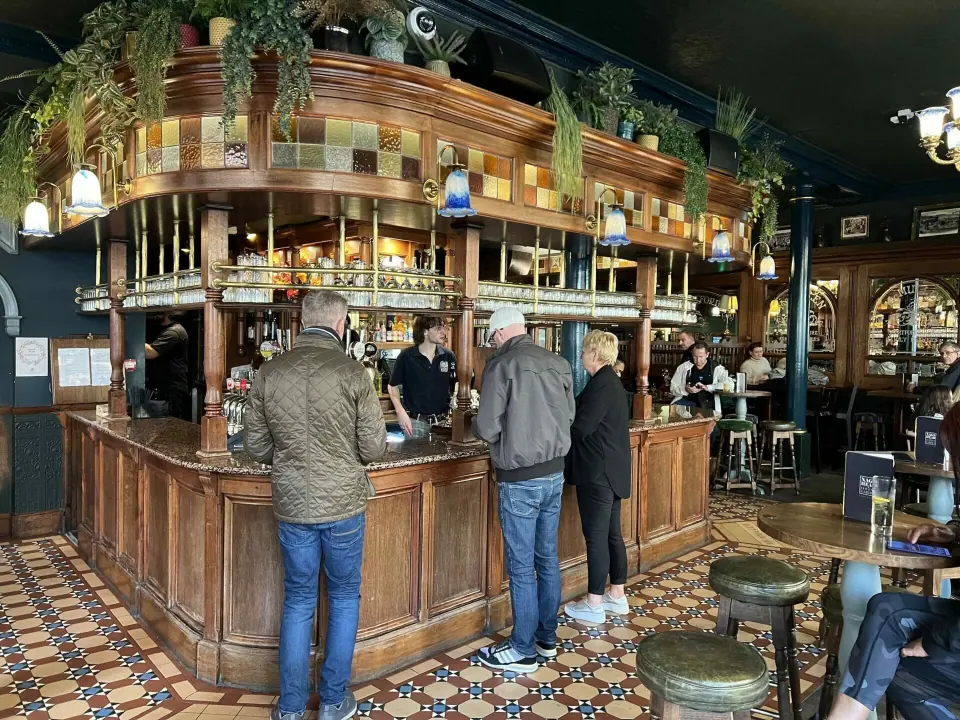
London pubs
A traditional pub is as much about the room as the menu: historic interiors, a fireplace in winter, and regulars at the bar. Order fish and chips with a pint of locally brewed ale for the classic version. The food is filling, and pubs are among the easier places in London to end up talking to people who live there.
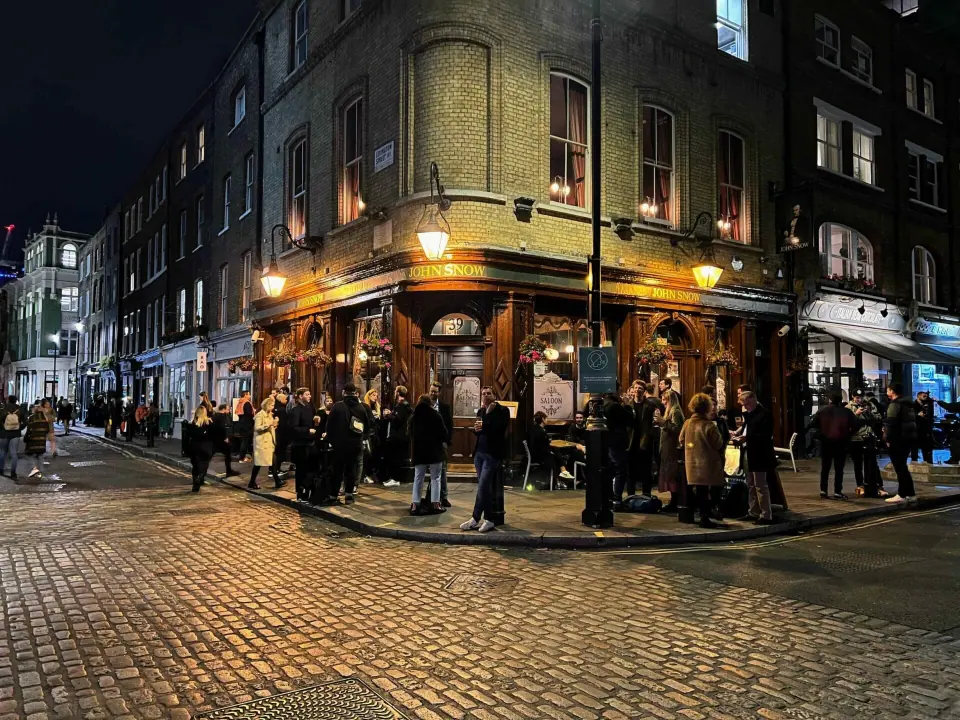
Soho dining
Soho packs vegan cafés, Italian trattorias, sushi counters, burger restaurants and cocktail bars into a few narrow streets. Many restaurants serve pre-theatre menus, which makes the area a practical place to eat before a West End show.
Afternoon tea
Afternoon tea means finger sandwiches, scones with clotted cream and jam, and a pot of tea, served in grand hotels and small tea rooms alike. Many venues offer versions for different dietary needs.
Street food
Street food is the cheap way to eat well. Camden Market and Brick Lane sell everything from Korean BBQ to Ethiopian injera, and food festivals and pop-up events appear throughout the year.
Local food tours
A guided food tour, whether a historical food walk or a trail through one community’s cooking, gives you a guide who can explain local dishes and traditions and point out places you would not find alone.
Practical tips for visiting London
Three things save the most trouble on a first visit: get a transport card, book your accommodation early, and plan around the free attractions.
A. Getting around
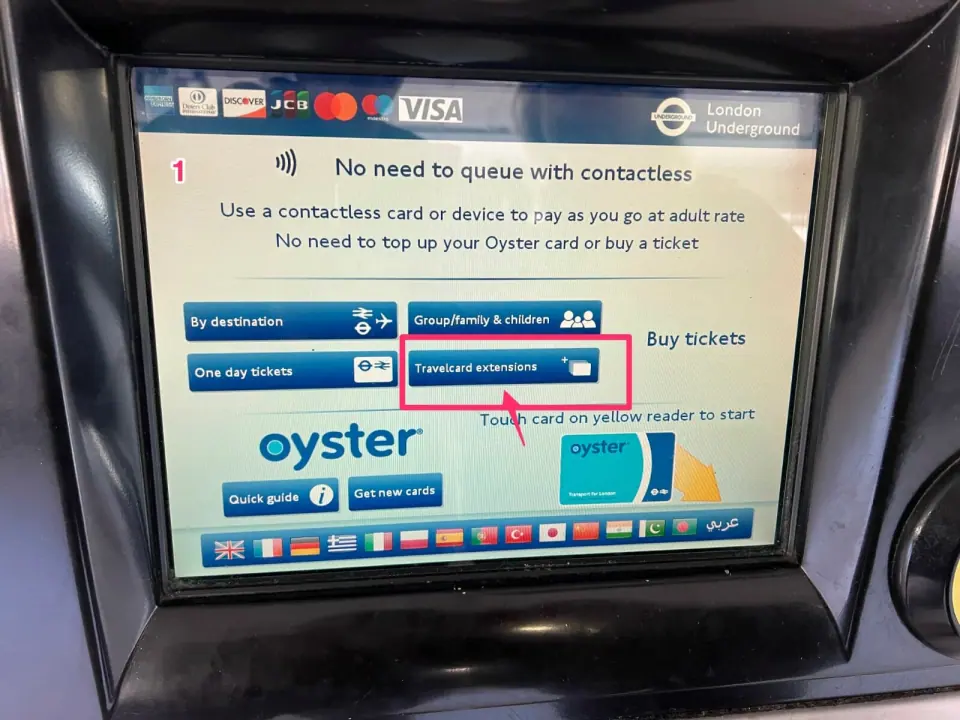
Visitor Oyster card
A Visitor Oyster card is one simple way to pay for transport. It is a pay-as-you-go smart card that works on buses, trams, the Underground, the DLR, the Overground, the Elizabeth line and the Thames Clippers river bus, and daily capping limits what you pay in a day. You cannot buy one in London: order it before you leave home, for a card fee of £10.50 plus postage as of late 2026, and top it up at stations once you arrive. You can also pay as you go with a contactless bank card. Details are on the Transport for London website.
Travel passes
A London Travelcard or a London Pass may save you more if you plan to visit several attractions.
Cycling
London has a public bike-sharing scheme. Rent a bike from one of the many docking stations and ride through the parks or along bike-friendly paths.
B. Accommodation
Book in advance
Accommodation runs from luxury hotels to budget hostels, and booking ahead gets you better rates and more choice.
Consider the location
Stay near a major transport link or within walking distance of the attractions you most want to see.
Vacation rentals
Vacation rentals suit families and anyone who wants a kitchen. They often give you more space, sometimes for much less than a hotel.
C. Saving money
Free attractions in London
Many top attractions are free, including major museums and galleries such as Tate Modern. The Sky Garden is free too, as long as you book in advance.
Dining deals
Look for early-bird specials and pre-theatre menus in areas like Soho. Pub meals are another good-value option.
Discount cards
Besides the Visitor Oyster card, the London Pass gives savings on attractions and tours.
D. Other essentials
Weather in London
The weather is unpredictable, and you can get all four seasons in one day. Pack layers and carry an umbrella.
Safety
London is generally safe. Use common sense: stay aware of your surroundings in crowded areas and keep your belongings secure.
Health and insurance
Consider travel insurance before you leave. Pharmacies are easy to find for minor ailments, and the NHS provides emergency care.
E. Local life
Go beyond the tourist areas
Talk to people, visit neighbourhood markets, and walk through lesser-known parks and streets. London is made up of many distinct communities, and each one feels different.
Putting your trip together
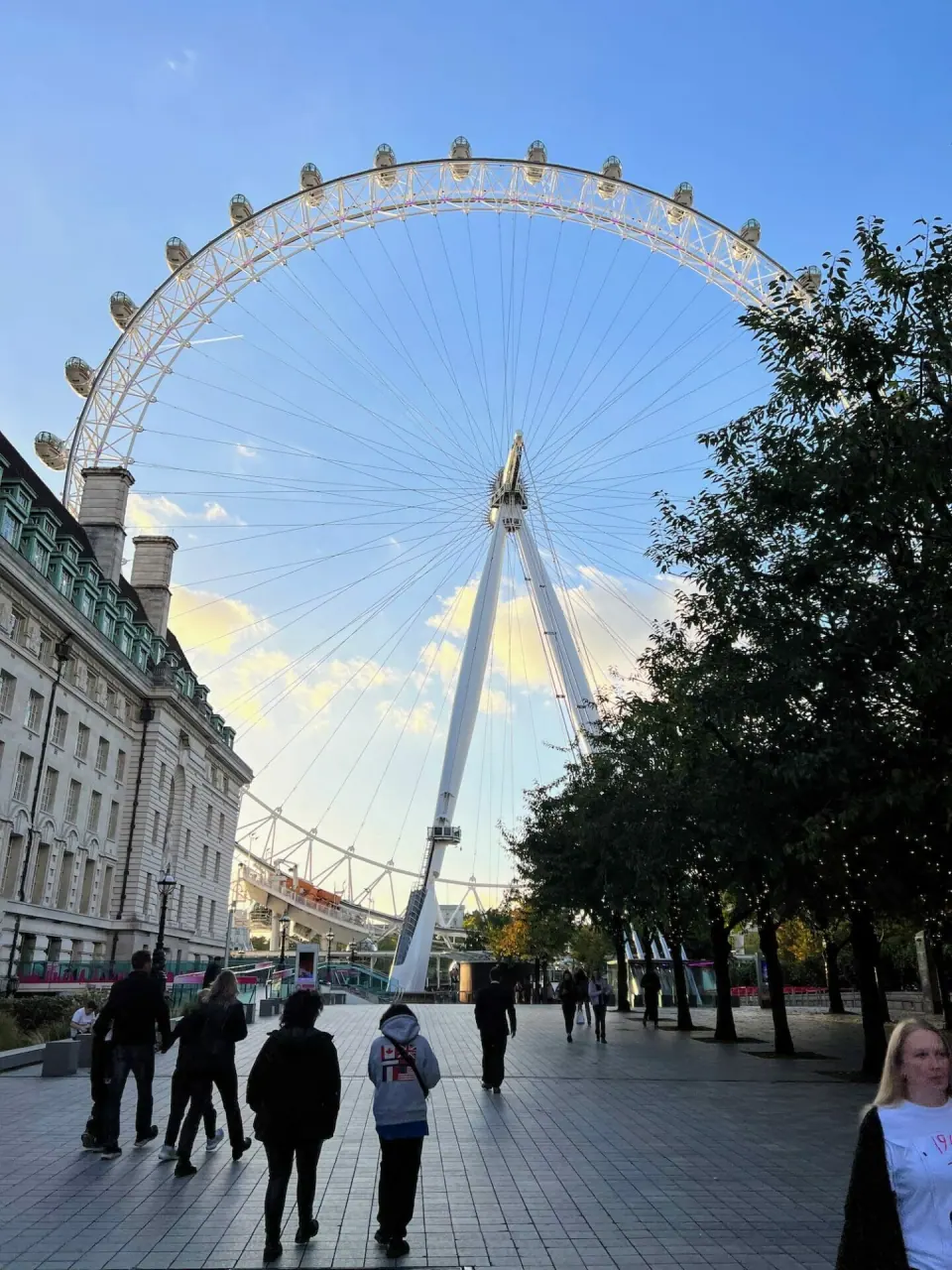
A good London trip combines one or two historical sites, a gallery, a market and a viewpoint, and it leaves room for wandering. The Tower of London covers the history, Tate Modern and the Banksy Tunnel cover the art, Oxford Circus and Bond Street cover the shopping, and Big Ben and Tower Bridge give you the photographs.
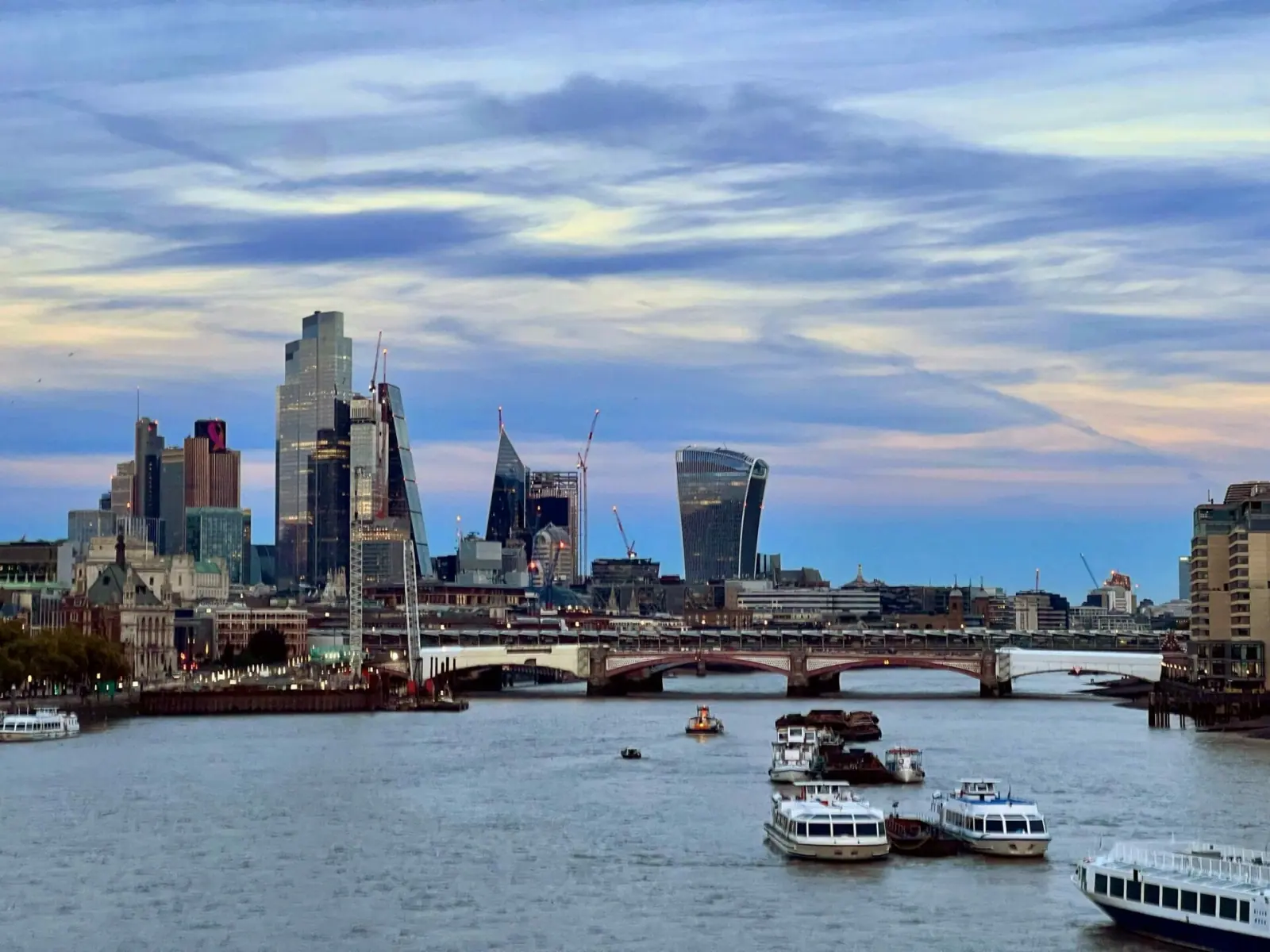
Add a pub meal, a dinner in Soho and a visit to Borough Market, and use a Visitor Oyster or contactless card to move between them cheaply. Reserve your free Sky Garden ticket before you travel. Then leave some hours unplanned for the neighbourhoods themselves, and for a sunset over the Thames.
Useful websites and apps
These are the sites and apps worth bookmarking while you plan.
A. Official tourism and transport websites
Visit London: The official tourism website has information on attractions, events and accommodation.
Transport for London (TfL): The TfL website covers public transport, including the Visitor Oyster card, route planners and service updates.
B. Accommodation platforms
Booking.com: A widely used platform for hotels, hostels and vacation rentals in London.
Airbnb: Useful for less conventional places to stay and for local experiences.
C. Attraction tickets and passes
The London Pass
This all-in-one pass gives entry to a range of attractions and can save you money if you plan to visit several.
D. Local events and entertainment
Time Out London
Check Time Out for current events, concerts and exhibitions.
West End theatre tickets
Book theatre tickets through a reputable platform such as London Theatre Direct.
E. Health and safety information
NHS travel health
The NHS website has information on vaccinations and healthcare for tourists.
F. Mobile apps
Citymapper
Citymapper gives real-time transport updates and is handy for finding your way around London’s public transport.
TripAdvisor
Good for reviews, recommendations and travel forums specific to London.
London tourist map