On this page 5 sections
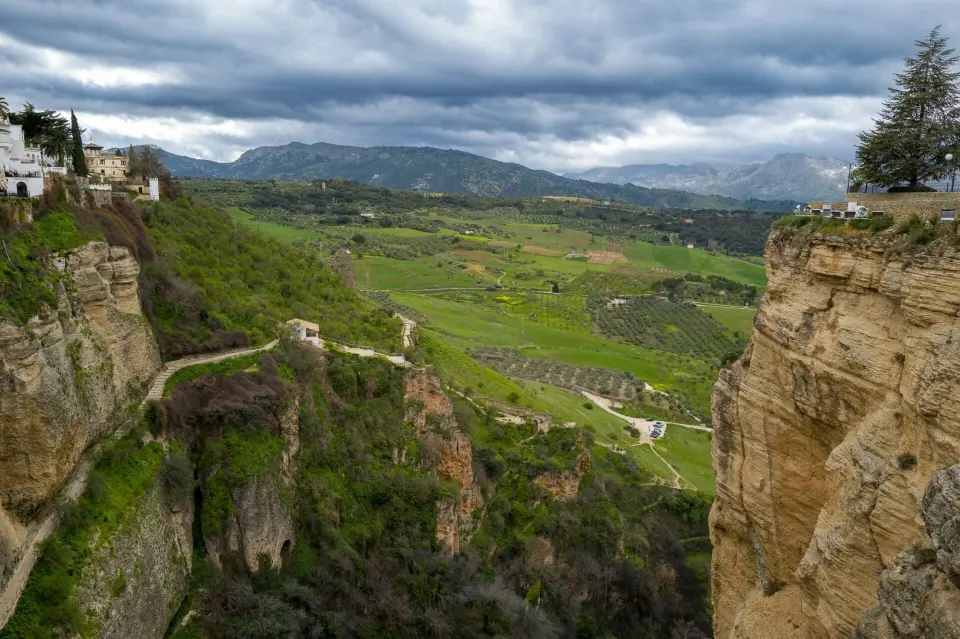
Ronda is a small Andalusian city built on the edge of El Tajo, a steep canyon in the mountains of Málaga province. People come for the Puente Nuevo, the 18th-century bridge that joins the old Moorish town to the newer districts, and stay for the bullring, the Arab baths and the views.
This guide covers the bridge, the main sights in town, where to eat tapas, and the natural parks, caves and reservoirs within a short drive. Around the city you have rolling countryside and two protected mountain areas. In it you have traditional dishes and local wines.
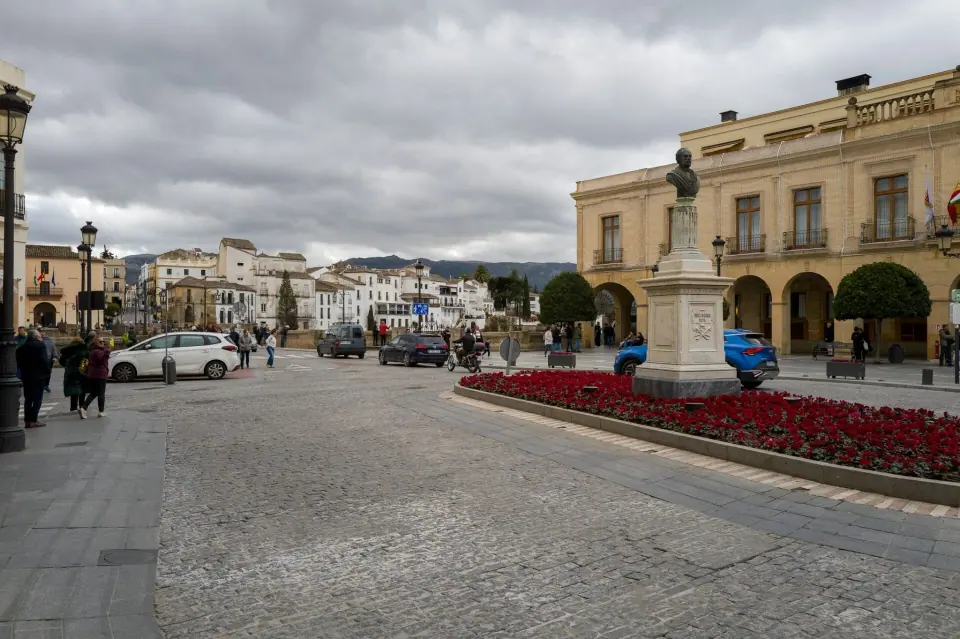
Most of the sights in town sit close to the gorge, so you can cover them on foot. The parks and caves need a car and more time. If you are short of days, do the bridge, the bullring and the old town first.
Why visit Ronda
Ronda’s position on the lip of El Tajo gives it wide views in almost every direction, and that is the main reason to come. The city also has a long list of historical sites, good food and easy access to the mountains.
The setting
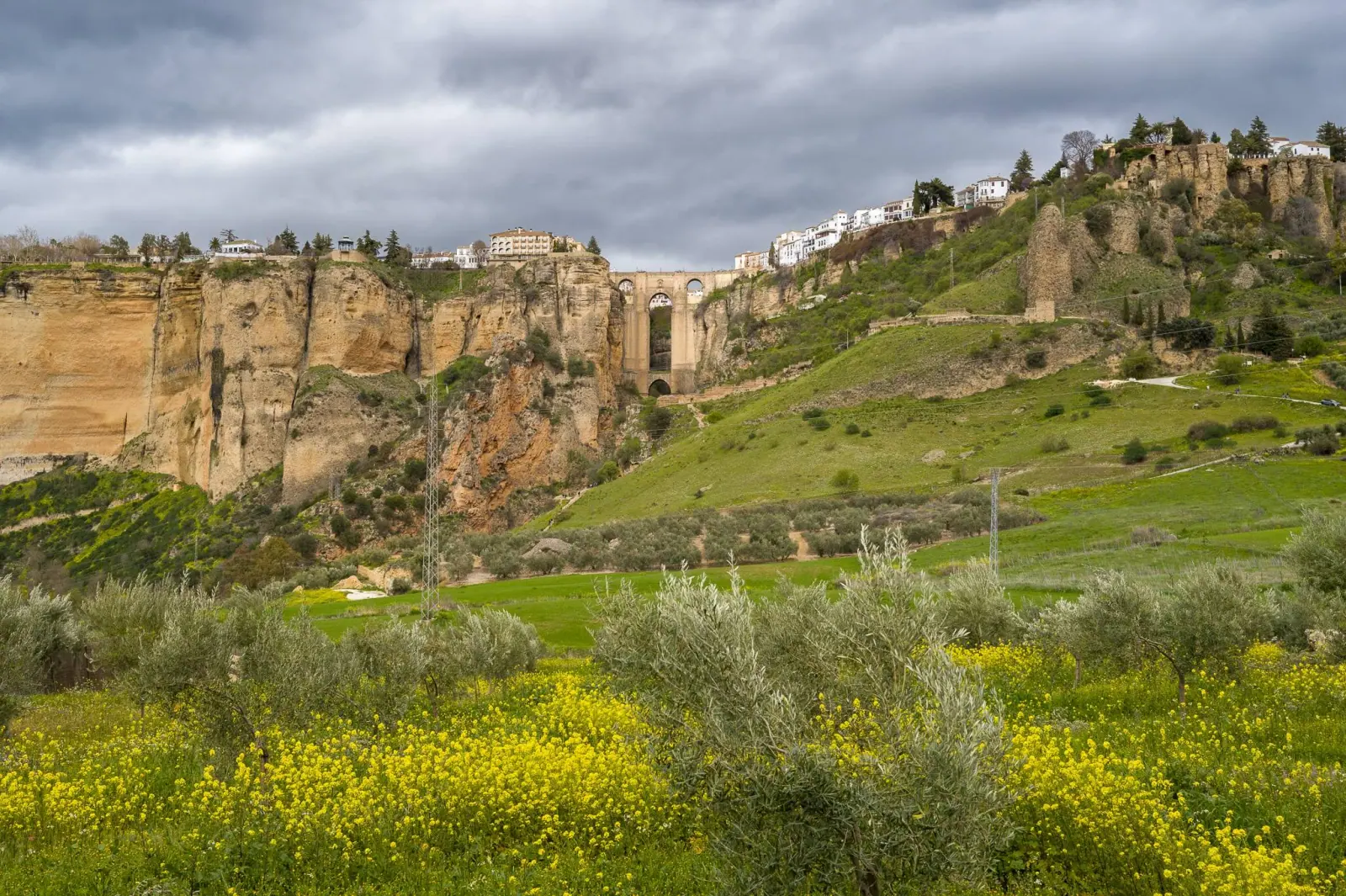
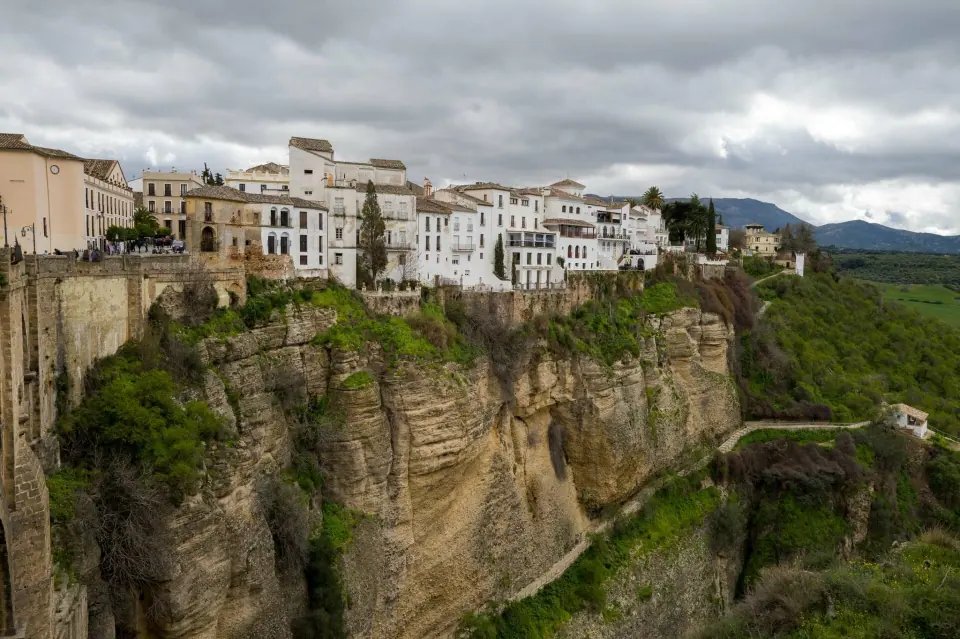
Ronda sits in the mountains of Andalusia. The New Bridge connects the old and new parts of the city and looks straight down into the gorge. It has become the symbol of the city.
History and culture
The historical sites run from the old Arab baths to the Palacio de Mondragón. The bullring is one of the oldest and most respected in Spain, and it explains a good deal about the bullfighting tradition that is part of Andalusian culture.
Natural parks on the doorstep
Beyond the city walls, Ronda is surrounded by green valleys and protected land. The Sierra de las Nieves National Park and the Sierra de Grazalema Natural Park have trails through forest and limestone gorges.
Food
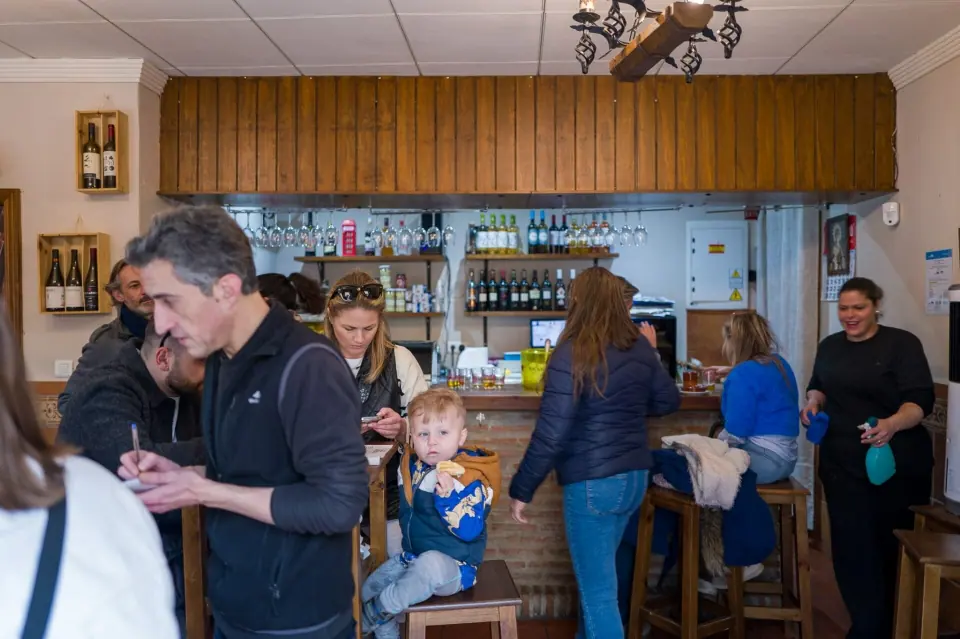
You can eat in traditional tapas bars or in more ambitious restaurants, and both draw on Andalusian cooking. Two good ways to do it: a glass of local wine on a terrace overlooking the gorge, or a stew in a market square.
Where to eat tapas in Ronda: Brucho Bar
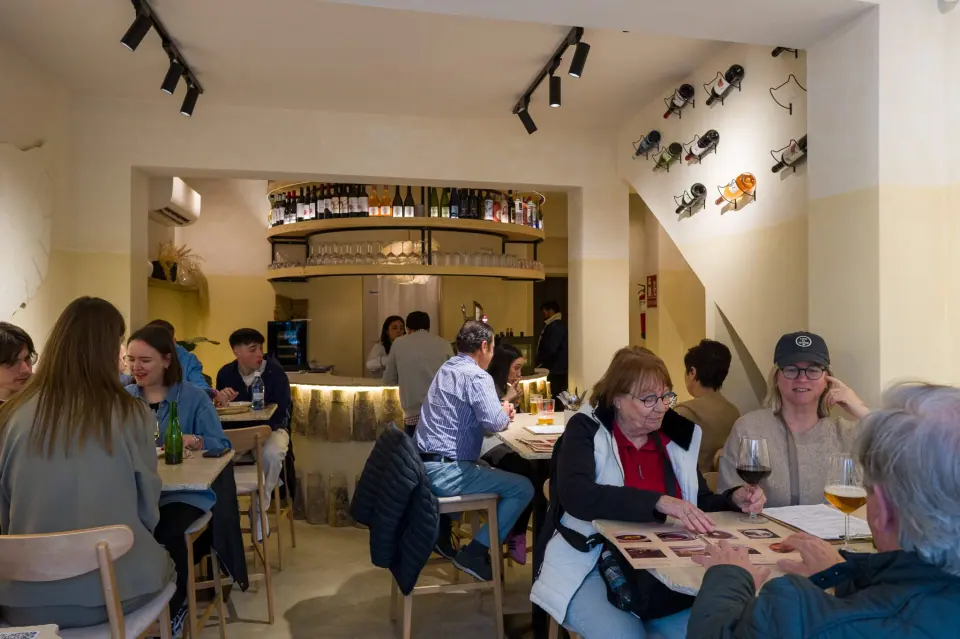
Our pick for tapas in Ronda is Brucho Bar, a tapas restaurant at C. Nueva, 26, in the centre of Ronda, Málaga. It serves traditional dishes alongside more inventive ones in a relaxed room.
What to order
The menu is built around Andalusian tapas, and it changes, so treat these as examples of what to look for.
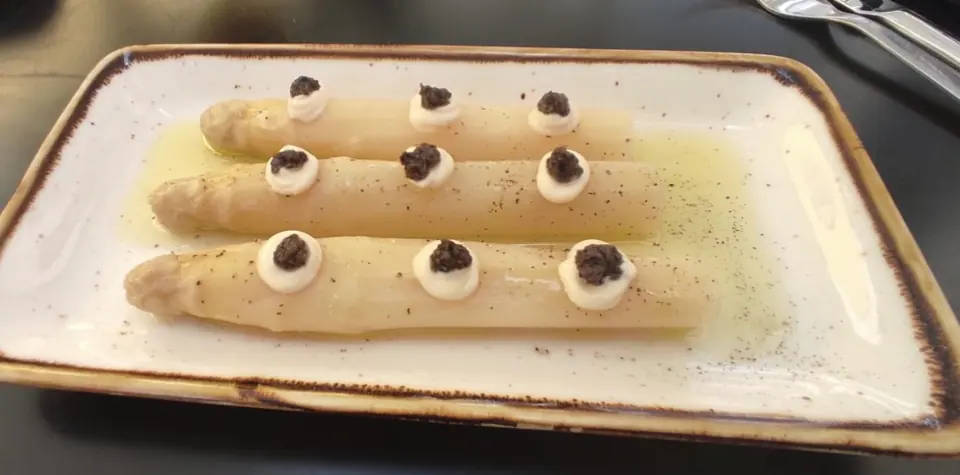
- Burrata: creamy, served with fresh tomatoes and basil. A good first plate.
- Patatas bravas: the classic Spanish tapa, crisp outside and soft inside, with a spicy bravas sauce.
- Salmon on brioche: cooked salmon on a buttery brioche.
- Grilled lettuce hearts with Payoya cheese: smoky grilled lettuce against a sharp local cheese.
- Tinto de verano: the cold red-wine drink of Andalusian summers, and a good match for all of the above.
The room and the service
The interior is sleek and modern but comfortable, and the service is friendly and attentive. It works for a quick lunch or a slow meal.
Why we recommend it
The food, the calm atmosphere and the service are all strong. The lechuga (lettuce) and the sardine tostada are the two plates most often recommended, and they deserve it. If you eat tapas once in Ronda, eat them here: we rate it 10/10.
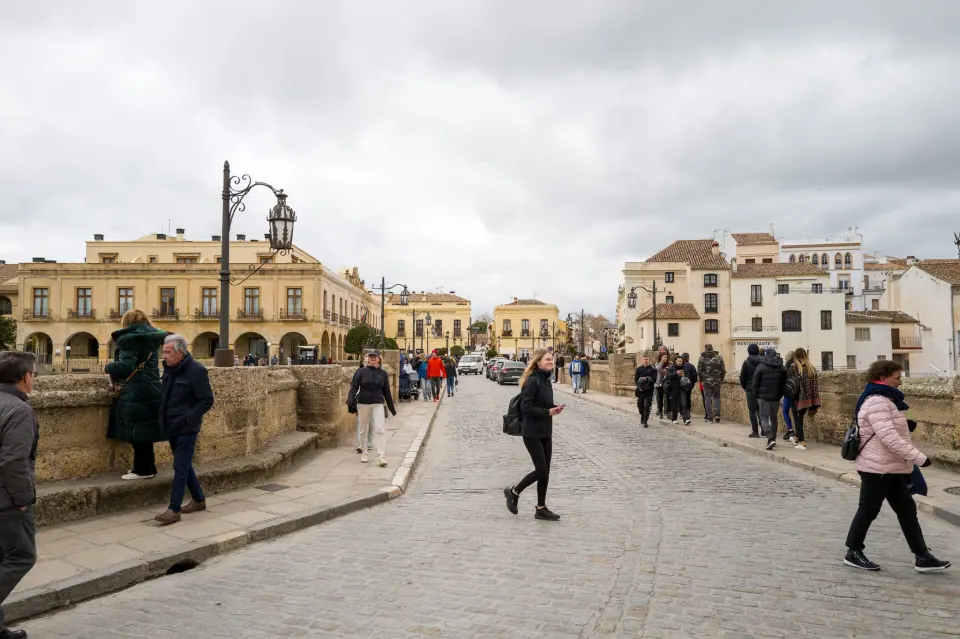
The Puente Nuevo, Ronda’s New Bridge
The Puente Nuevo is the one sight in Ronda you should not skip. Built in the 18th century, it spans the El Tajo gorge and gives you the best-known view in the city.
How it was built
The bridge was constructed between 1759 and 1793. It is about 98 meters high, over a gorge roughly 120 meters deep. It was built with stone taken from the gorge itself, which is why it blends so well into the rock. A tall central arch is flanked by two smaller ones. The chamber above the central arch, once used as a prison, now holds an exhibition on the bridge’s history and construction.
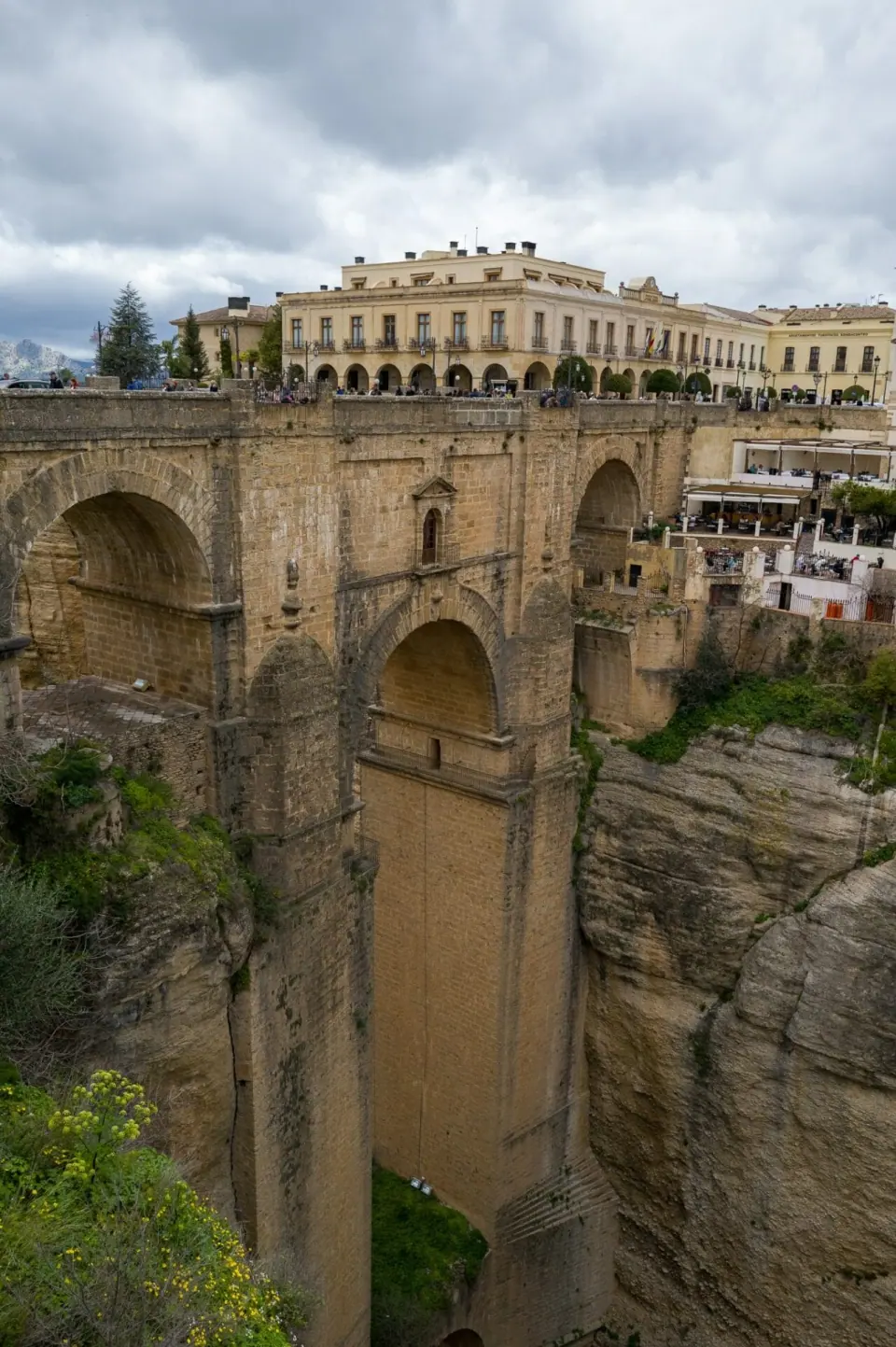
The views
From the top you look out over the gorge, the Guadalevín River running below, and the hills of Andalusia beyond. The viewpoints on and around the bridge are the best places in town for photographs.
The link between old and new Ronda
The bridge connects the old Moorish town with the newer parts of Ronda, so crossing it takes you from one period of the city’s history to another. People have been walking across this chasm here for more than two centuries, and the bridge is still the everyday route between the two halves of town.
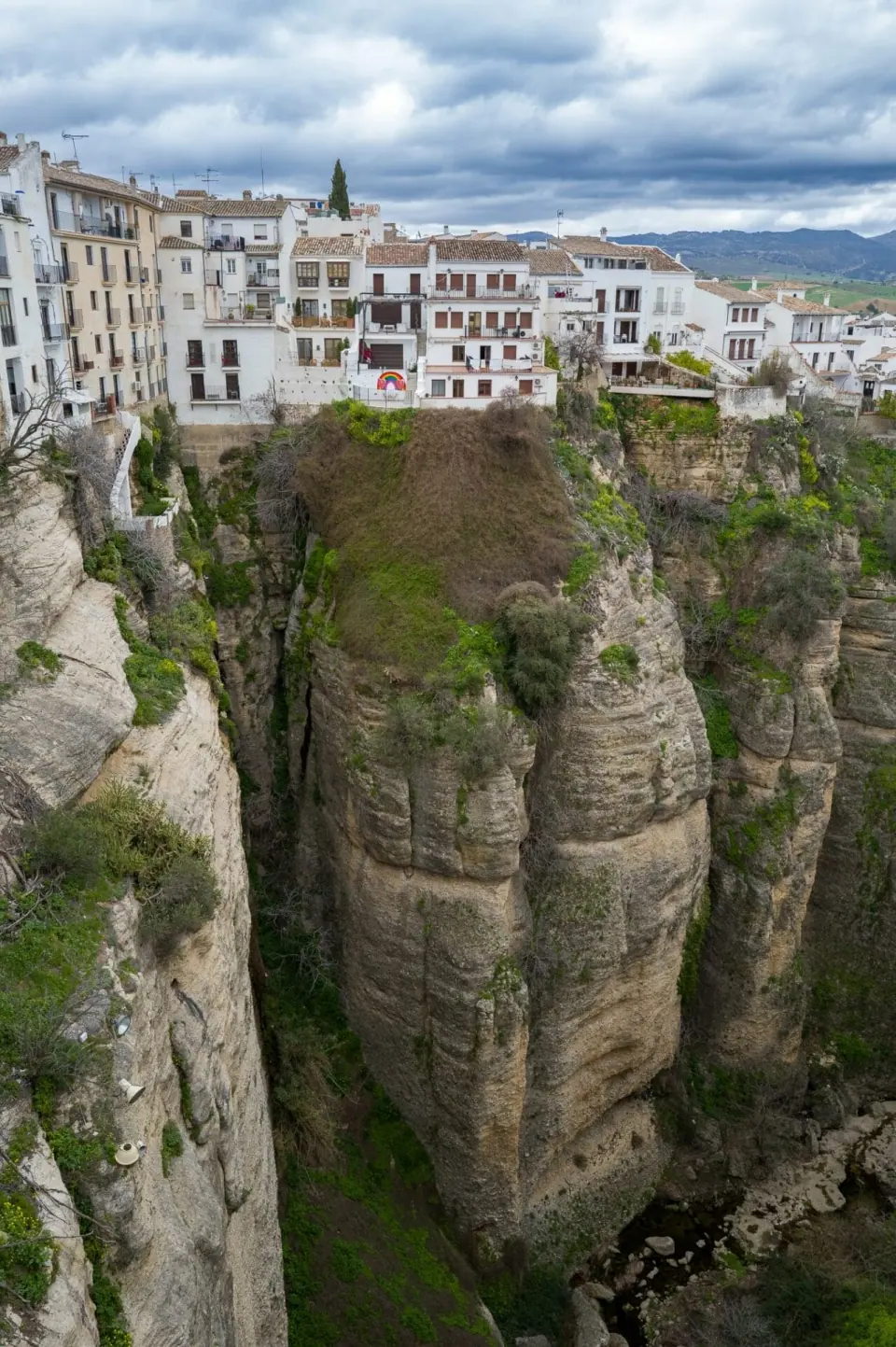
A starting point for the rest of the city
Start your visit here. From the bridge you can walk into the historic centre, visit the old palaces and gardens, or head out to the surrounding natural parks for hiking. Ronda’s history goes back through the Moors to the Romans, and much of what survives is a short walk away.
Top things to do in Ronda
Ronda is a mountaintop city in Spain’s Málaga province, set above the El Tajo gorge. These seven things cover its views, its history and its food.
Cross the Puente Nuevo
The "New Bridge" was completed in 1793, so the name is relative. It spans the El Tajo gorge and links the old Moorish town with the newer districts. Go for the views, and to look closely at a structure that took decades to build.
Visit the Plaza de Toros
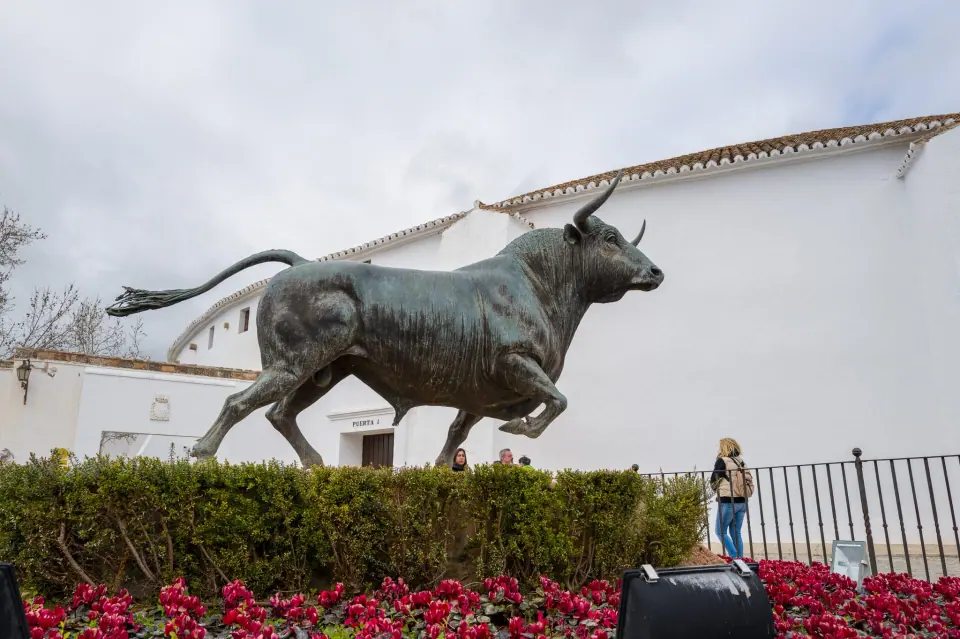
Ronda is considered the birthplace of modern bullfighting, and its Plaza de Toros, built in the 1780s, is one of the oldest bullrings in Spain. The neoclassical architecture is worth seeing in its own right. A museum inside explains the history of bullfighting and its place in Spanish culture.
Walk through the Old Town
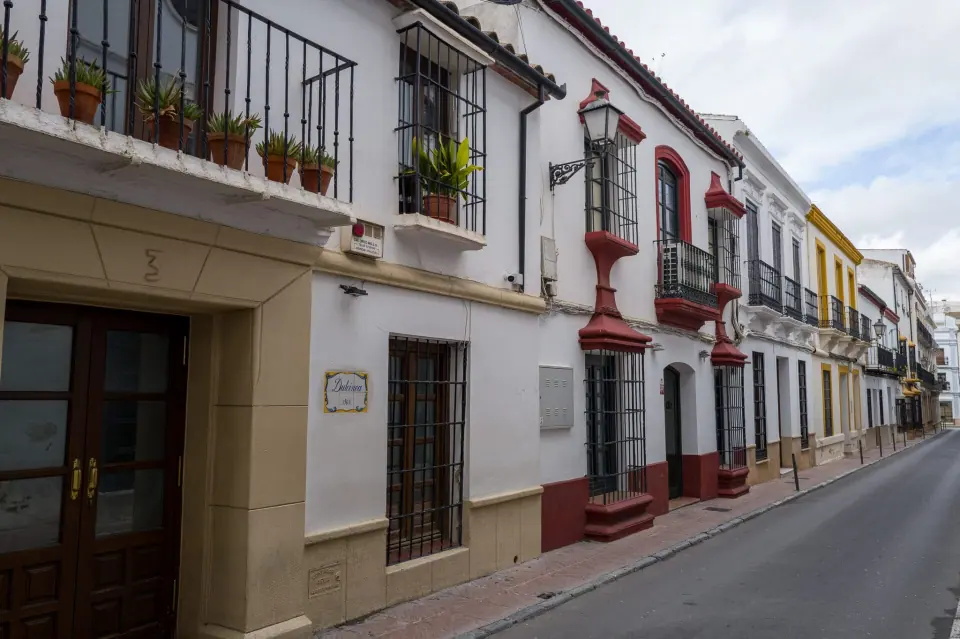
The Old Town, La Ciudad, is a maze of narrow streets lined with historic buildings, many of them Moorish. Two stops stand out: the Casa del Rey Moro, whose terraced gardens were designed in 1912 and whose Moorish-era "water mine" is a staircase cut through the cliff down to the river, and the Baños Árabes, well-preserved Arab baths dating back to the 13th and 14th centuries.
See the view from the Mirador de Ronda
Go to the Mirador de Ronda at sunset, when the light turns the landscape gold. Ronda has numerous viewpoints, or miradors, and this one gives one of the best panoramas of the gorge and the countryside around it.
Visit the Mondragón Palace
The Mondragón Palace, a 14th-century building that housed Moorish rulers and later the Catholic Monarchs, is now the municipal museum. The building combines Mudéjar, Gothic and Renaissance elements, and its gardens and courtyards are a quiet place to rest. The museum runs from prehistoric times through the Islamic period to the modern era.
Climb a via ferrata route
A via ferrata is a protected climbing path fitted with steel cables and rungs, and the cliffs of the Tajo have them. Go with a local guiding company and ask which route suits your level.
Try the local food
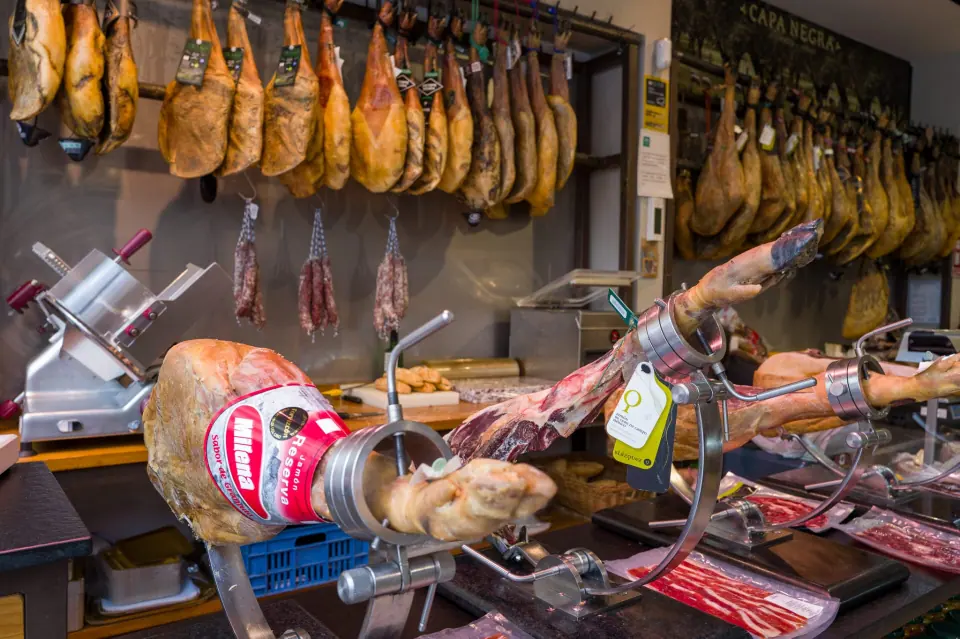
The region is known for game dishes, traditional stews and local wines. Order rabo de toro (oxtail stew), and ask what the kitchen cooks from the surrounding hills.
Natural parks, caves and reservoirs near Ronda
The countryside around Ronda is as much of a draw as the city. Two protected mountain parks, a river cave and a reservoir are all within reach, and they make easy day trips.
Two parks to choose from
The Sierra de las Nieves and Sierra de Grazalema parks protect a wide range of plants and animals, and both are well set up for hiking. They are close enough to the city that you can spend the morning on a trail and be back in the old town for a late lunch.
Sierra de las Nieves National Park
The Sierra de las Nieves was declared a national park in 2021. It holds the world’s largest stands of Spanish fir, a rare conifer found only in the mountains of Málaga and Cádiz, and its main trails lead to Torrecilla, the highest peak in western Andalusia. That hike is a demanding one.
Grazalema Natural Park
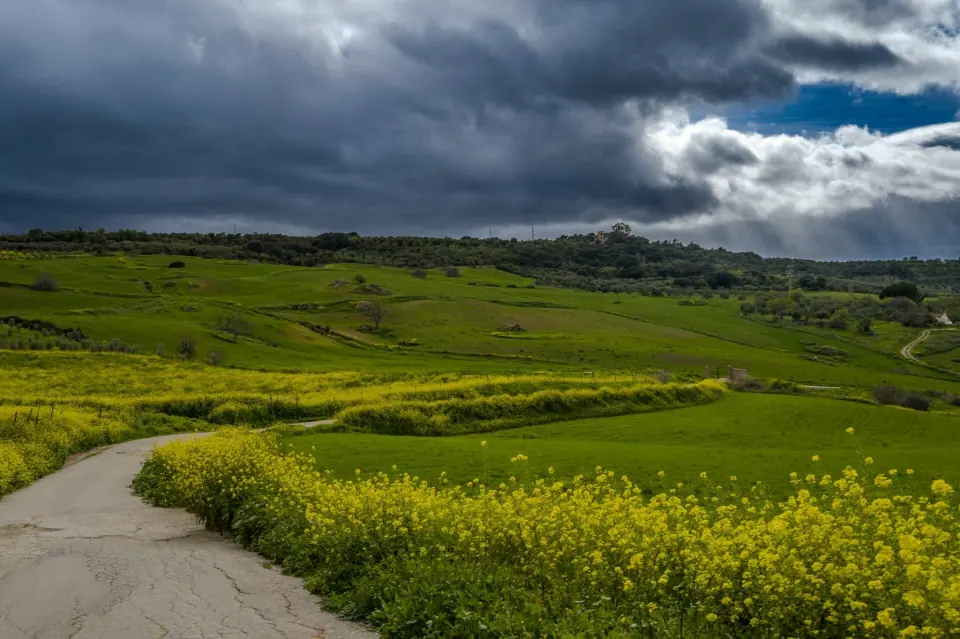
Grazalema, a biosphere reserve since 1977, is known for sheer limestone cliffs, deep gorges and the Pinsapar, a forest of Spanish fir. The village of Grazalema has the highest rainfall in Andalusia, which keeps the park green. The highlight is the Garganta Verde, a canyon near Zahara de la Sierra with walls almost 400 meters high and a large cave, the Cueva de la Ermita, deep inside it. You need a permit for that walk, issued at the park’s visitor centers.
Lakes and caves
Away from the peaks, the area has calm stretches of water and caves to explore.
Cueva del Gato
The Cueva del Gato is in Benaoján, about 15 kilometers west of Ronda. Its entrance is said to resemble a cat’s face, and a pool of cold, emerald water sits in front of it. The cave is the southern mouth of the Hundidero-Gato system: a river disappears underground at the Hundidero cave and comes out here before joining the Guadiaro. The water is cold and rises fast after rain, so take care if you swim. The Pileta Cave, known for its prehistoric paintings, is a separate cave nearby.
Zahara-El Gastor Reservoir
This man-made reservoir lies between the hills, its turquoise water set against green countryside. People come to kayak, paddleboard or sit by the water. The nearby village of Zahara de la Sierra has whitewashed houses and an old castle, and is worth a stop on the same trip.
Quieter spots
If you want fewer people, try the lesser-known trails. The Tajo del Abanico has a fan-shaped opening in the cliff, and the ruins of Acinipo, with a Roman theater cut into the rock, stand in open countryside.
Planning your visit to Ronda
Ronda suits travelers who like history, walking and food in roughly equal parts. Split your time between the city and the countryside if you can.
In the city
Cross the New Bridge, then visit the Arab baths and the Palacio de Mondragón. A slow walk through the old town connects all three.
At the table
Leave time to sit on a terrace with Andalusian food and a view over the gorge. For many visitors that hour is what they remember best.
Outside the city
Add a hike in one of the surrounding parks or a visit to the old ruins if you have a car and a spare day. The Cueva del Gato and the Zahara-El Gastor Reservoir are the easiest stops if you would sooner swim or paddle than climb.
For current visitor information, see the Ronda page on Spain’s official tourism website.
Ronda map: