On this page 8 sections
Malaga is a port city on the Costa del Sol in Andalusia, southern Spain, facing the Mediterranean. Most of what you will want to see is in or near the Old Town: a Roman theatre, the Moorish Alcazaba and Gibralfaro Castle, the cathedral, and the museums and galleries that honor Pablo Picasso, who was born here. This guide covers the city’s history, what to eat, the beaches and natural parks within reach, the main festivals and the practical details of a visit.
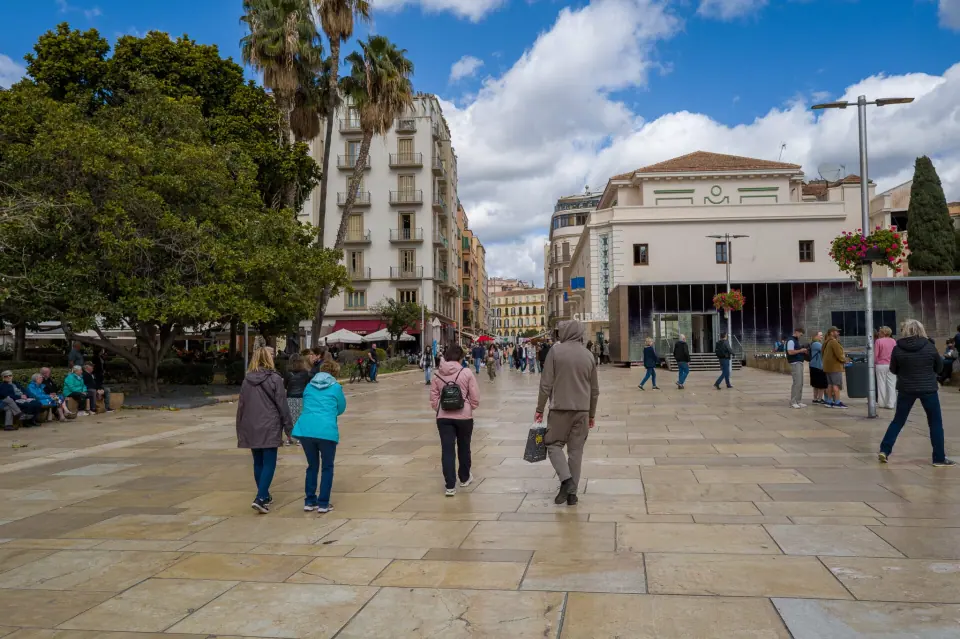
Start in the Old Town. Its narrow cobbled streets run between Roman ruins and Moorish fortifications, with a modern, lively city around them, and the area is small enough to cover on foot.
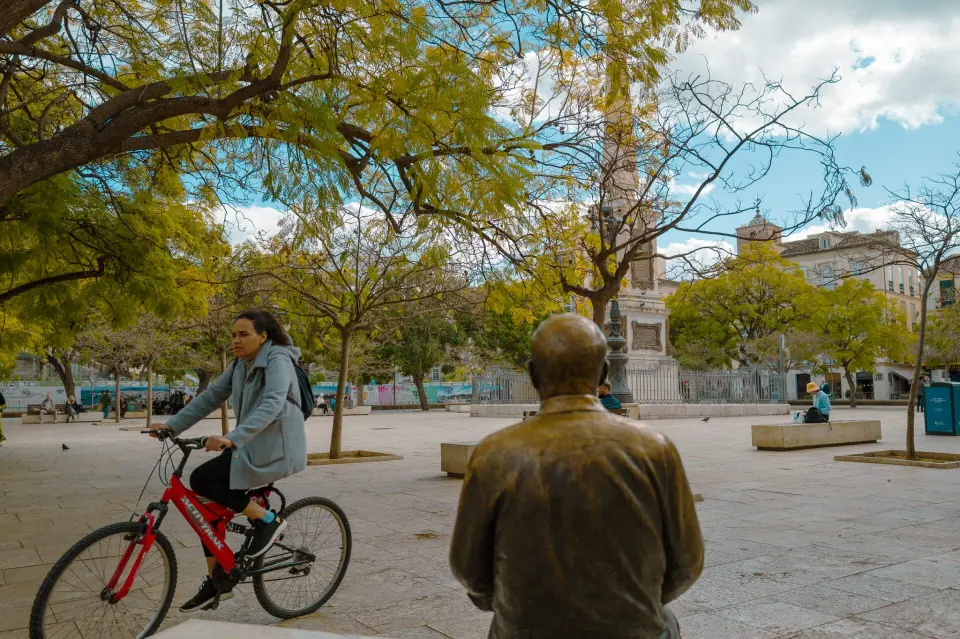
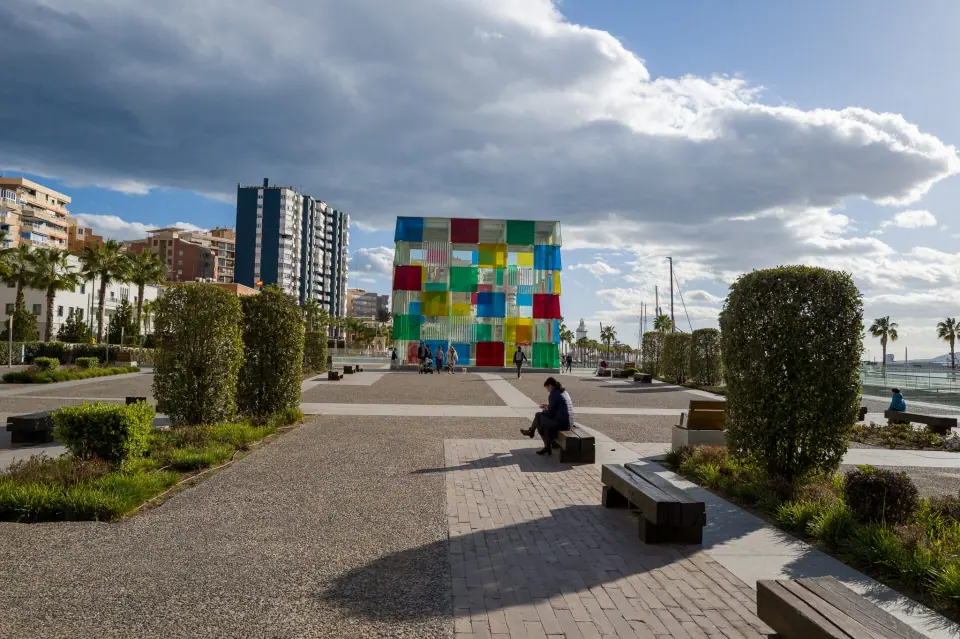
Picasso is the city’s best-known son, and you will run into his name often. Malaga’s museums and galleries pay tribute to him and to the many other artists who came for the region’s light and landscapes.
The Roman Theatre is the oldest of the big sights and a good first stop, because it shows how far back the city goes. Beyond the monuments, Malaga has Andalusian cooking that mixes traditional recipes with newer ideas, a string of beaches and several natural parks, all covered below.
Malaga’s history, from the Phoenicians to the Reconquest
Malaga is one of the oldest continuously inhabited cities in Western Europe, and four periods account for most of what you will visit: Phoenician, Roman, Moorish and Christian. Each one changed the buildings, the culture and the way the city worked. Knowing roughly who built what makes the Old Town much easier to read.
The Phoenicians
The Phoenicians, skilled seafarers from the eastern Mediterranean, arrived in the 8th century BC and founded Malaka as a trading post. It grew into a busy port that dealt in precious metals, dyes and salted fish, and where ideas changed hands along with goods. Little from this period survives. What it left is Malaga’s identity as a port city, which has held through every period since.
Roman rule and the theatre
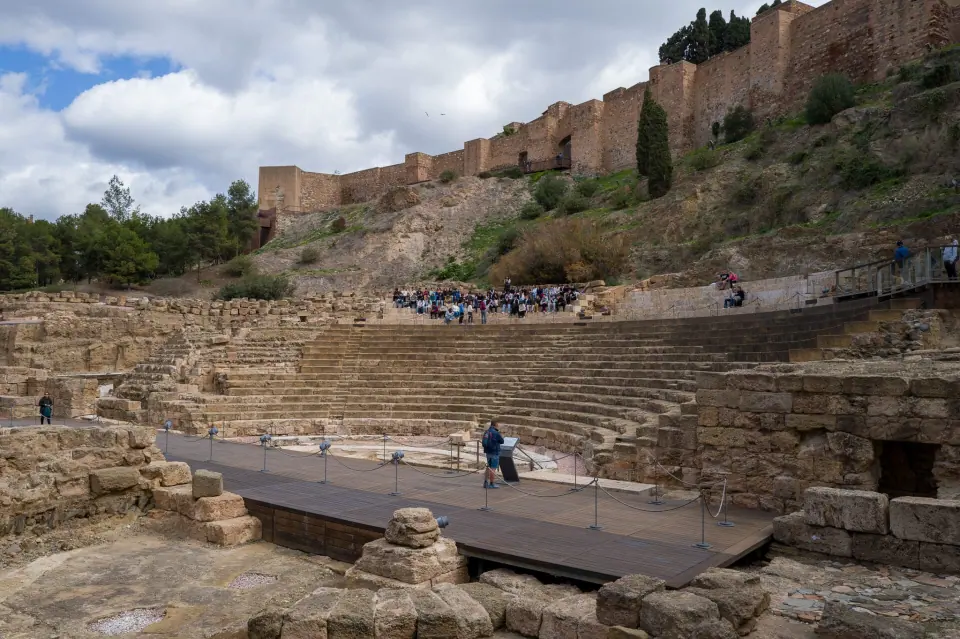
Rome conquered Malaga in the 3rd century BC and brought its own way of building. The Roman Theatre, built in the 1st century BC, is the main survivor. It was rediscovered only in 1951, and it is a reminder of how active public life was under Roman rule, when the theatre was a center of cultural activity for the town.
The Moorish period
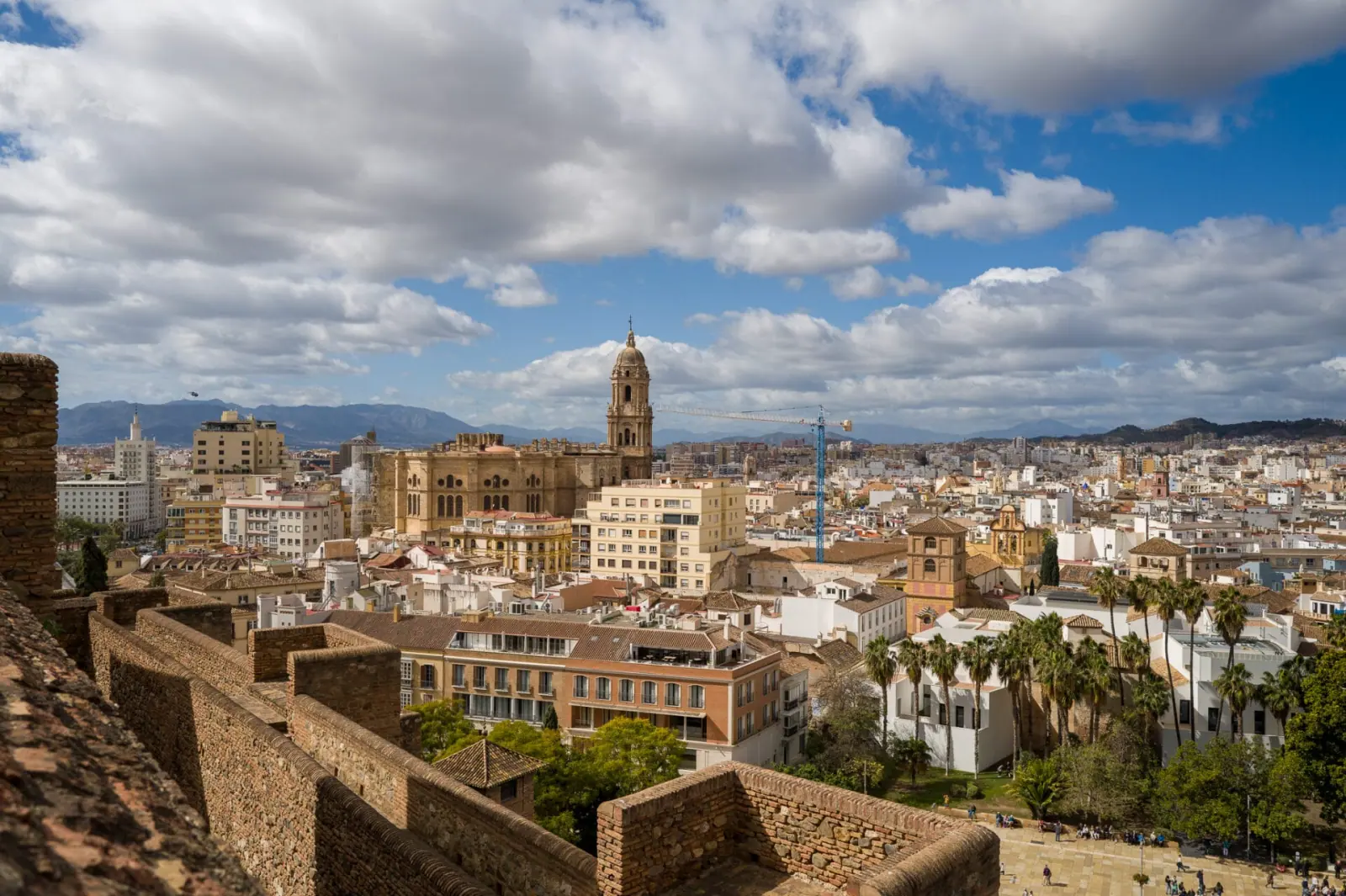
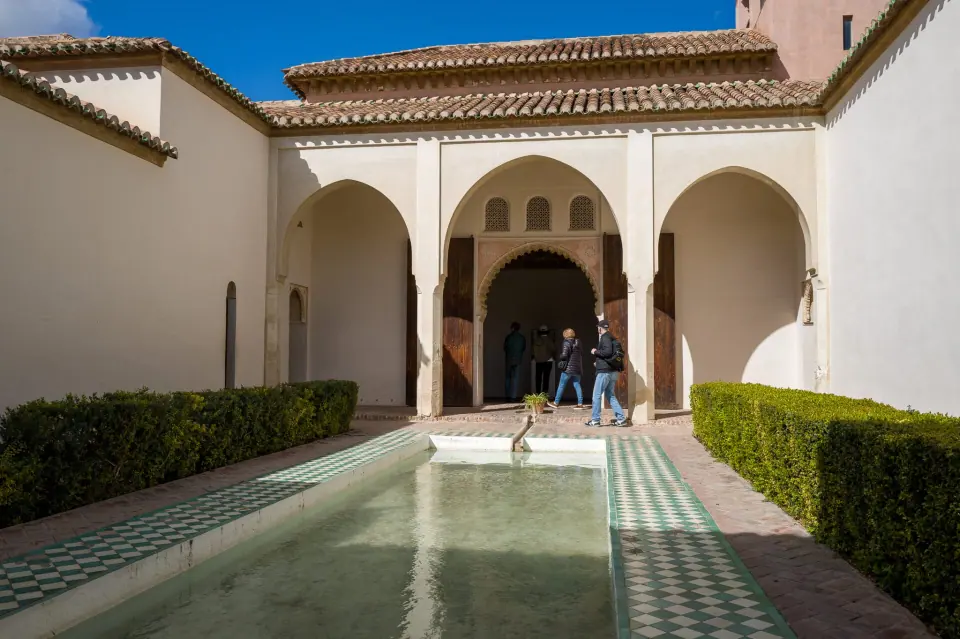
Moorish rule began in the 8th century AD and shaped Malaga more than any other period. The city became a prosperous cultural and economic center, and two Moorish monuments still dominate the skyline. The Alcazaba is a palace-fortress. Gibralfaro Castle stands on top of a hill, with wide views over the city and the sea. Both show how well the Moors built, for comfort and for defense.
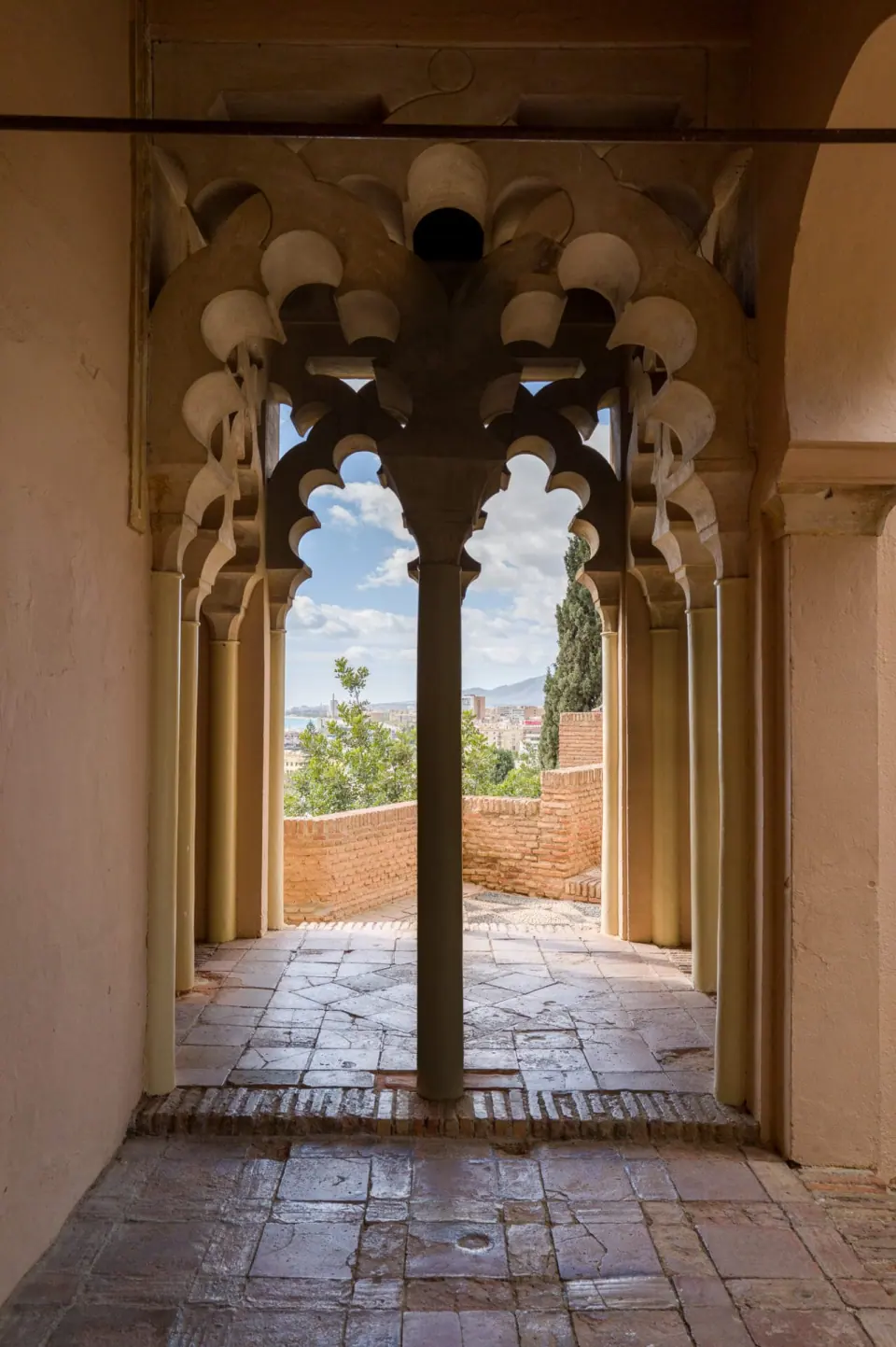
Under the Moors, Muslims, Christians and Jews lived side by side in a cosmopolitan city and contributed to its cultural and intellectual life. Malaga’s well-known gardens also date from this time. The Moors introduced new plants and sophisticated irrigation techniques, and that inheritance still shows in the city’s green spaces.
The Christian reconquest and the cathedral
The Christian reconquest came in 1487, and Malaga was absorbed into the growing Spanish Empire. The architecture changed with the rulers: Gothic, Renaissance and Baroque styles all appear in buildings from the following centuries. Malaga Cathedral, a mix of Renaissance and Baroque, is the clearest expression of what the city wanted to be after the reconquest.
Seeing the layers today
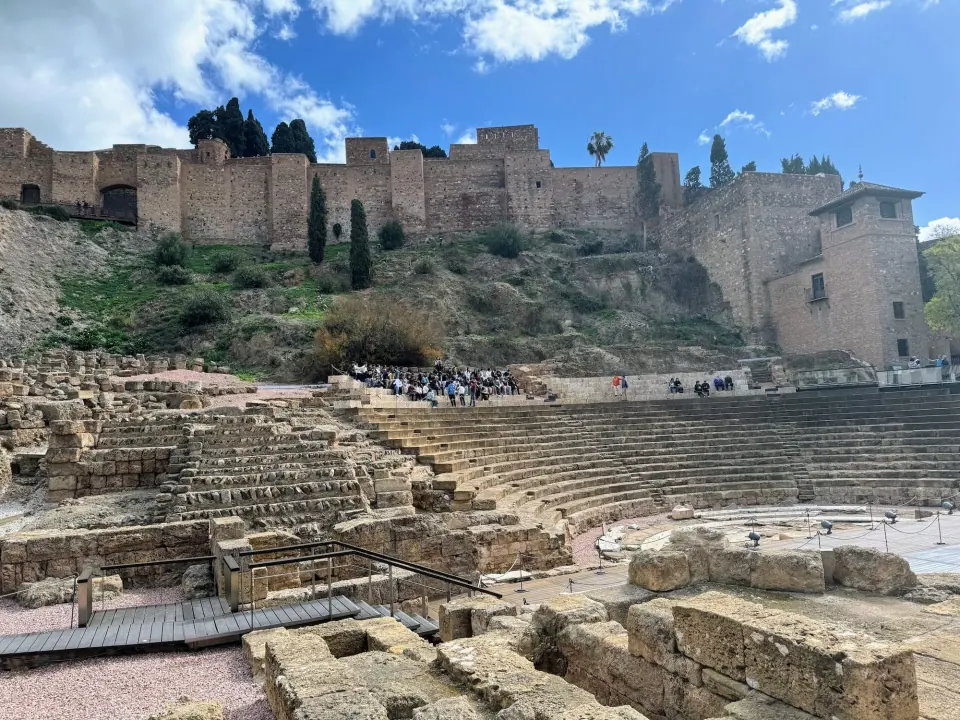
You can see all four periods in one visit: Phoenician remains, the Roman theatre, the Moorish castles and the Renaissance cathedral. The theatre and the Alcazaba make a natural pair, since the theatre lies on the slope of the Alcazaba hill.
The Roman legacy, in Malaga and beyond
The theatre is what Rome left in Malaga itself, but the wider Roman inheritance reaches into law, building, language and the calendar. Rome’s history runs from the 8th century BC to the 5th century AD. This section is background for anyone who wants some context before visiting the theatre.
Government and law
Roman law is the legacy with the longest reach. Its ideas of natural law, civil rights and legal representation sit underneath the legal systems of many modern democracies. The Roman Republic balanced power between different branches of government, and that model fed into the constitutions of many modern states. The senate, the concept of citizenship and the practice of electing representatives all go back to Roman political thinking.
Architecture and engineering
Roman builders gave later engineers their basic toolkit: concrete, the vault and the arch, which make large, durable structures possible. They used it for an extensive road network, for aqueducts that carried water over long distances, and for monuments such as the Colosseum and the Pantheon. Modern civil engineering and architecture still build on those techniques.
Language and literature
Latin developed into the Romance languages: Spanish, Portuguese, French, Italian and Romanian. It still supplies much of the vocabulary of law, science and academia. Roman writers are still read, among them the poets Virgil and Ovid and the philosophers Seneca and Marcus Aurelius, whose subjects were human nature, ethics and government.
Art and culture
Roman sculpture, painting and mosaic work set patterns that Western art went on to follow: realistic human figures, the portrait bust, and art used as political propaganda. Roman mythology has lasted just as well. Jupiter, Venus and Mars turn up in literature and films, and they gave their names to planets in our solar system.
Numerals and the calendar
Roman numerals are no longer used for everyday calculations, but you still see them marking years on monuments and numbering the chapters of books. The calendar is Roman too. Julius Caesar introduced the Julian calendar, and the Gregorian calendar is a refinement of it.
What to eat and drink in Malaga
Eat fish by the sea and tapas in town. Malaga sits between the Mediterranean and the Andalusian mountains, so its cooks draw on both, and the food tends to be simple and built on fresh regional produce and long-standing recipes.
Seafood from the coast, produce from the mountains
The sea supplies plenty of seafood, above all sardines and anchovies, which are cooked plainly so that the taste of the fish comes through. The hinterland supplies a variety of meats, vegetables and fruit, and each adds something different to the regional cooking.
Tapas
Tapas are small savoury dishes, and ordering several lets you try a range of Andalusian cooking in one meal. Two to look for are gambas al ajillo (garlic prawns) and espetos (sardines skewered and grilled over an open flame). In Malaga tapas are as much a social habit as a way of eating.
Ajo blanco and salmorejo
Andalusian cooking likes to set sweet against savoury, and two cold soups show it well. Ajo blanco is a cold almond soup that pairs the nuttiness of almonds with the sweetness of grapes. Salmorejo is a thicker cousin of gazpacho that combines fresh tomatoes with ham and egg, which makes it richer and more filling.
Atarazanas Market
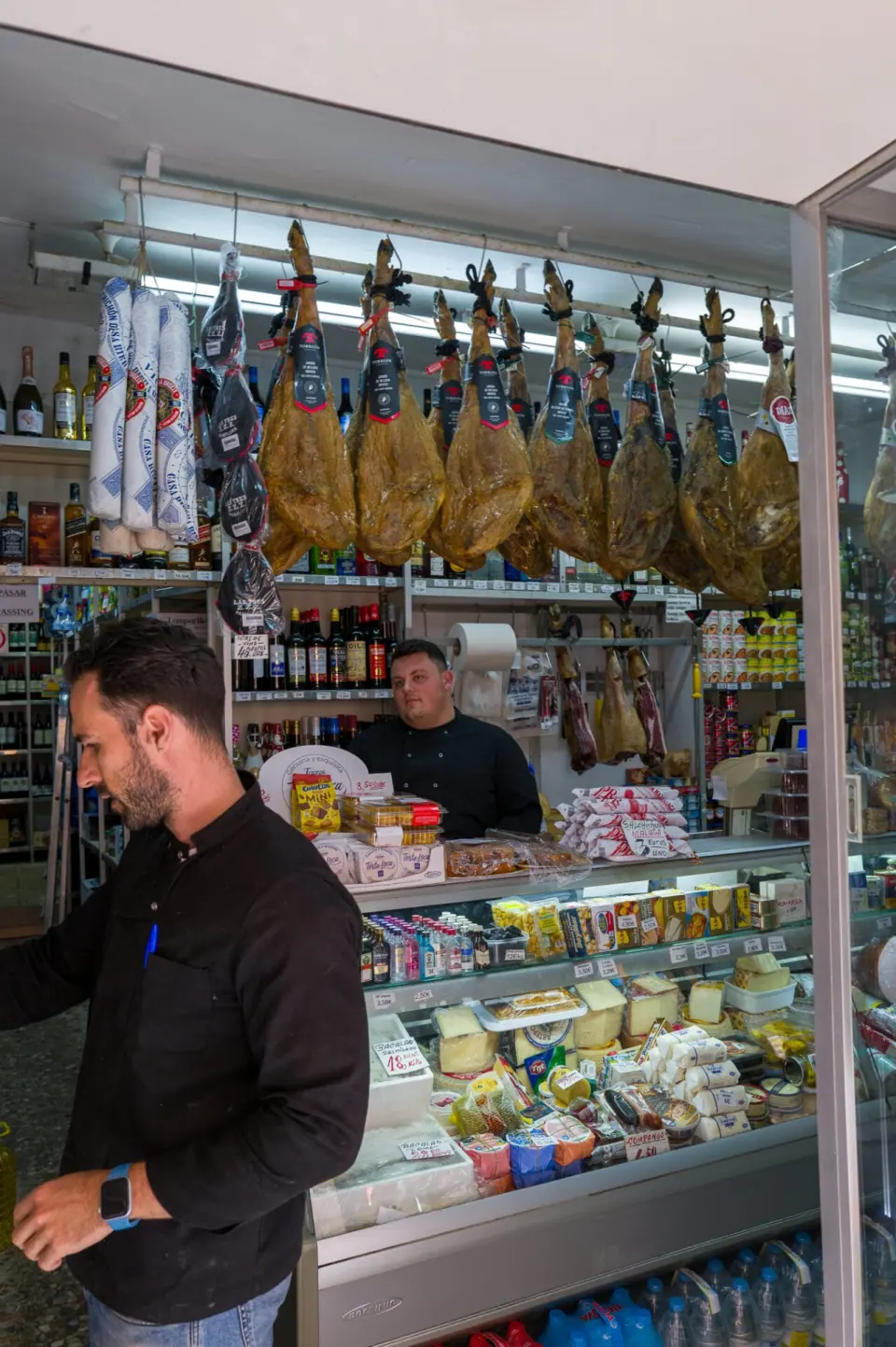
Go to Atarazanas Market to see the ingredients before they reach the kitchen. The 19th-century building deserves a look in its own right. Inside, the stalls sell fruit and vegetables, spices and freshly caught seafood, and the local vendors know their produce.
Local wines
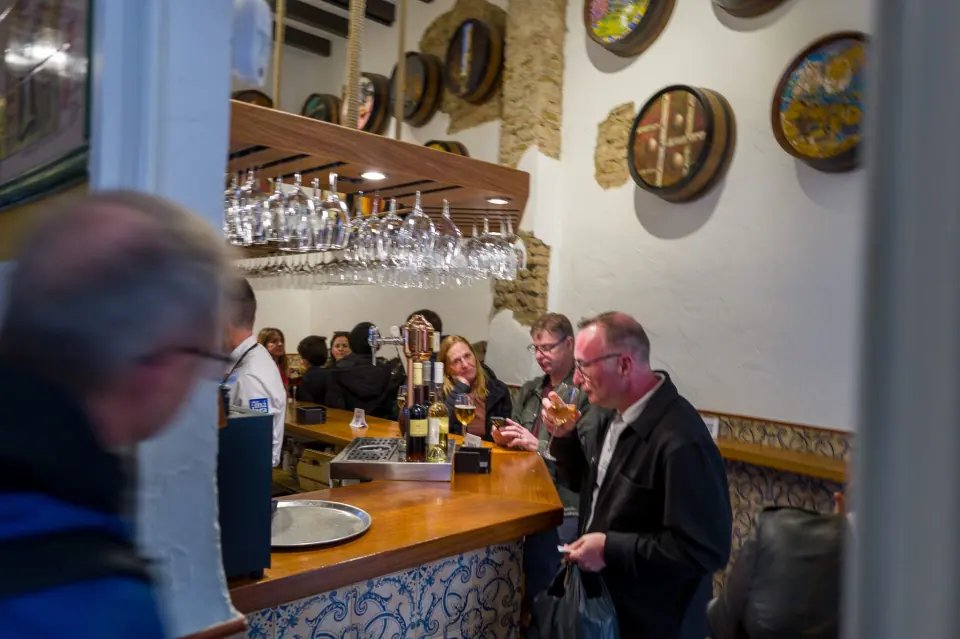
Have a glass of local wine with your meal. Malaga’s own wines are the sweet and fortified wines of the Málaga denomination, made mainly from Moscatel and Pedro Ximénez grapes. For something dry, ask for a white, rosé or red from the Sierras de Málaga denomination, much of it grown at altitude around Ronda. Fino is a sherry from the Jerez area, further west, not a Malaga wine.
Beaches and nature around Malaga
For a beach day without leaving the city, go to La Malagueta or El Palo. For a day outdoors away from the coast, the four names to know are the Caminito del Rey, the Montes de Malaga, El Torcal de Antequera and the Sierra de las Nieves.
Beaches
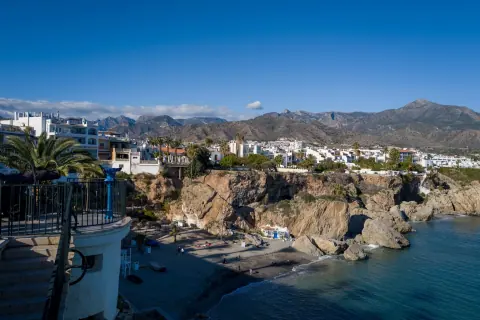
La Malagueta and El Palo are the city beaches, and they suit sunbathing, swimming and water sports. If you want somewhere quieter, head east along the coast to the small coves around Nerja, such as Playa de Maro.
Hiking and natural parks
Inland, the landscape changes quickly, and there is something for most kinds of outdoor visitor.
- Caminito del Rey: Once known as the world’s most dangerous walkway, this path has been restored and is now safe to walk. It runs through the gorges of El Chorro, with views of the rugged terrain and the turquoise water below.
- Montes de Malaga Natural Park: A short drive from the city center. Pine forests and scenic trails draw hikers, mountain bikers and anyone who wants a few hours among trees.
- El Torcal de Antequera: A nature reserve that has been part of the UNESCO World Heritage listing for the Antequera Dolmens Site since 2016, known for strange limestone formations sculpted over millions of years. The landscape looks almost Martian and appeals to anyone interested in geology.
- Sierra de las Nieves: A UNESCO biosphere reserve since 1995 and a national park since 2021, with the world’s largest forests of Spanish fir (pinsapo) and deep ravines. Its highest peak, La Torrecilla, reaches 1,919 m. The highest peak in the province is La Maroma, further east. Ibex live here, and there are many trails for trekking and birdwatching.
Sustainable tourism
Malaga is a major tourist destination, and that puts pressure on these landscapes. Current measures include regulated access to sensitive areas, the promotion of low-impact activities and a request that visitors leave no trace. Follow the rules where access is controlled, and take everything you brought back out with you.
Festivals in Malaga
The two biggest events are the Feria de Malaga in August and the Semana Santa processions in spring. Carnival, held before Lent, and Noche en Blanco are the other two dates worth knowing. Locals turn out for all of them, so each one shows you the city as residents know it.
Feria de Malaga
The Feria is the high point of the festive calendar. It commemorates the taking of the city by the Catholic Monarchs in August 1487. It opens with a large fireworks display, and nine days of flamenco dancing, traditional music and bullfights at La Malagueta follow. During the day the party is in the city center, where the streets are decorated with lanterns and flowers. At night it moves to the Cortijo de Torres fairground and carries on until dawn.
Semana Santa
Semana Santa, or Holy Week, is the opposite in mood: a period of serious religious observance. Processions through the streets recount Christ’s Passion. Brotherhoods in traditional robes carry elaborate thrones bearing religious images, accompanied by marching bands and by saetas, religious hymns sung in a flamenco style. The processions are emotional occasions for the people taking part and for those watching.

Carnival
Carnival takes place in February, before Lent, and fills the streets with costumes, parades and music. Satire is a large part of it, and poking fun at society is expected. The centerpiece is a singing contest at the Teatro Cervantes, and the festival ends on La Malagueta beach with the “burial of the anchovy”.
Noche en Blanco
Noche en Blanco, or White Night, is a fairly recent addition that has quickly become popular. For one night, cultural venues across the city, from museums to historic sites, open for free and host exhibitions, performances and workshops. It is a good chance to see several of them in one evening.
Planning around the festivals
Malaga’s festivals honor the city’s past and bring the whole community out together, which is why they are a good time to visit. They are also the busiest times. If you want to be in town for the Feria or Holy Week, book your accommodation well ahead.
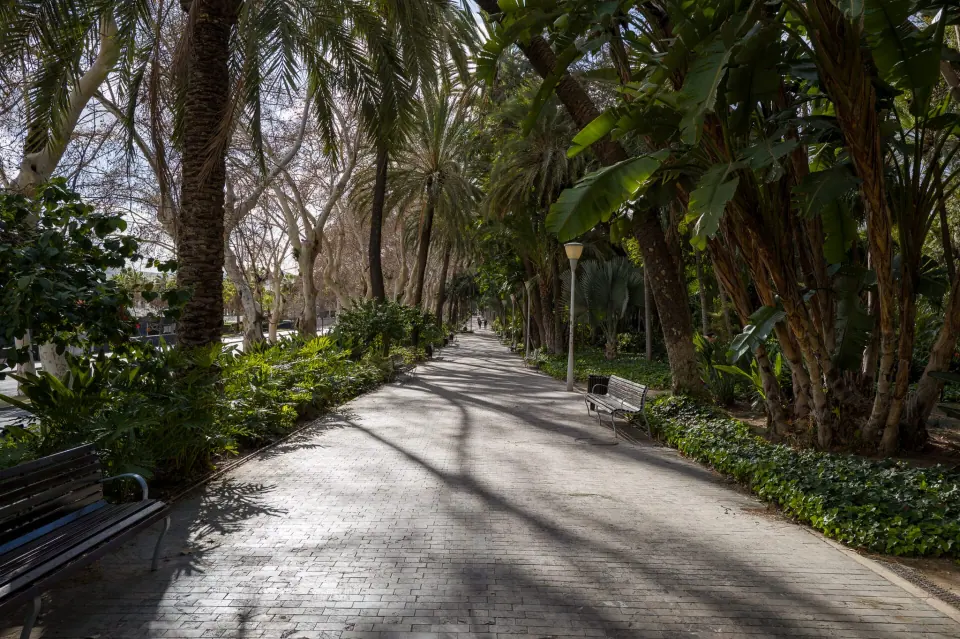
Parque de la Alameda and the Ninfa del Cántaro fountain
Parque de la Alameda is another name for the Parque de Málaga, the name you will see on most maps and signs. It is a long, shaded park in the center of Malaga, running from Plaza de la Marina to Plaza del General Torrijos beside the port, and an easy place to take a break from sightseeing. It was inaugurated in 1897 on land reclaimed from the sea, and tall tropical and subtropical trees line its avenues and keep them cool.
The Ninfa del Cántaro fountain
The park’s best-known feature is the Ninfa del Cántaro, a fountain with a sculpture of a nymph carrying a water jug. The sound of the water makes it a calm spot to sit for a while.
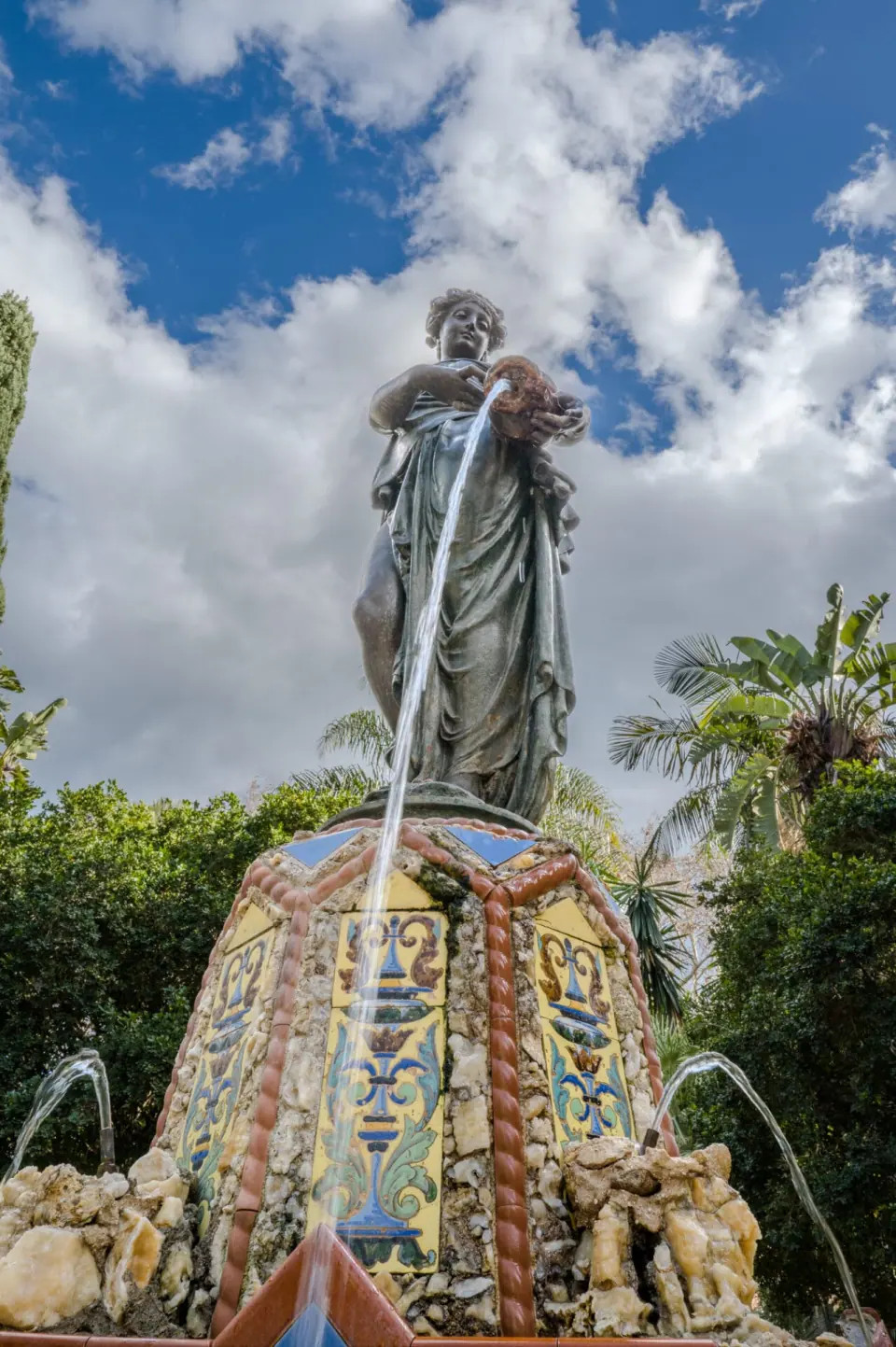
Locals use the park as much as visitors do. You will see families spending a sunny afternoon together and artists painting the scenery, so it is a good place to watch everyday life in Malaga.
Busts and monuments along the paths commemorate writers and artists, among them the poets Rubén Darío and Salvador Rueda. Walk the length of the park instead of stopping at the fountain and you will pass most of them.
Practical tips for visiting Malaga
The short version: come in spring or autumn, walk the center, and book early if your dates overlap with a festival. The details follow.
1. Best time to visit
The best time to visit Malaga is spring (March to June) or autumn (September to November). Those months bring pleasant weather, fewer crowds and the chance to catch local festivals. The city gets more than 300 days of sunshine a year, so it works in any season.
2. Getting around
Walk the city center. It is compact, and you notice far more on foot. For longer distances there is an efficient public transport system of buses, trains and a metro. A multi-trip transport card saves money and hassle.
3. Accommodation
Malaga has places to stay for every budget, from luxury hotels to hostels. Book in advance, especially in peak season and during festivals. A traditional Andalusian guesthouse is a good choice if you want somewhere with local character.
4. Eating out
Restaurants range from traditional to modern. Try the local specialties: espetos (sardines skewered and grilled over a wood fire), gazpacho and Malaga-style fried fish. Atarazanas Market is a good stop for fresh local produce and tapas.
5. Etiquette and tipping
People usually greet each other with a handshake or two kisses on the cheek. Tipping is not obligatory in Spain. In restaurants and bars it is enough to round up the bill or leave some small change if you were happy with the service.
6. Language
Many locals speak English, especially in tourist areas, but a few words of Spanish go a long way with residents. Start with hola (hello), gracias (thank you) and ¿dónde está…? (where is…?).
7. Safety
Malaga is generally a safe city. Pickpocketing is the main risk, as in any popular destination, so watch your belongings in crowded places and avoid carrying large amounts of cash.
8. Day trips
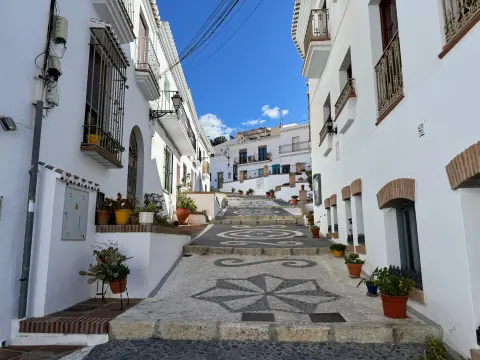
Malaga is a good base for seeing the surrounding area. Consider the white villages of Andalusia, the Caminito del Rey, or a day in Nerja, Frigiliana, Competa, Ronda, Granada or Seville.
9. Beaches
The coast has both busy city beaches and secluded coves. Malagueta Beach is the easy choice for a day on the sand in town. For quieter beaches, head along the coast to Nerja.
10. Festivals
If you can choose your dates, plan around the Feria de Malaga in August or the Holy Week processions in spring to see the city’s traditions at full strength.
More on Malaga and Andalusia
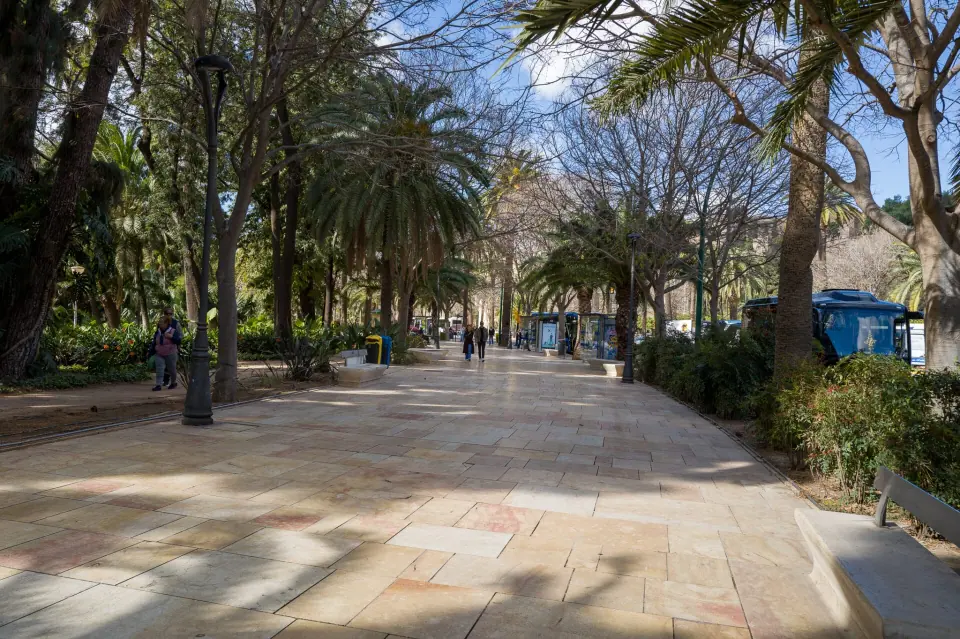
Malaga gives you history, food, festivals and beaches in one compact city, with mountains and countryside a short trip away. It also works as the first stop on a longer tour of the region. For ideas on where to go next, read our other travel posts about Andalusia.
For official visitor information, see the Malaga tourism website.
Map of Malaga: