On this page 6 sections
The Churchill War Rooms are the underground bunker in Westminster from which the British government ran its war effort during the Second World War. Today the site is a museum in two parts: the preserved Cabinet War Rooms and the Churchill Museum, which covers Winston Churchill’s whole life. This guide explains the history, what you will see, and how to plan a visit to one of the most rewarding museums in London.
The bunker lies beneath Whitehall, the government district, a short walk from St. James’s Park and Big Ben. Set aside a morning or an afternoon for it. If you have walked through the park or stood under Big Ben, you have already been within a few minutes of the entrance without knowing it.
In brief: the entrance is on Clive Steps at King Charles Street, the usual hours are 9:30 AM to 6:00 PM with last admission at 5:00 PM, and it pays to book online before you go.
The history of the Churchill War Rooms
The War Rooms date from 1938, when war in Europe looked close to inevitable and London began preparing for attack. The threat of invasion was real, and the government needed somewhere protected to keep working. The rooms stayed in use until Japan surrendered in August 1945.
How the War Rooms were created
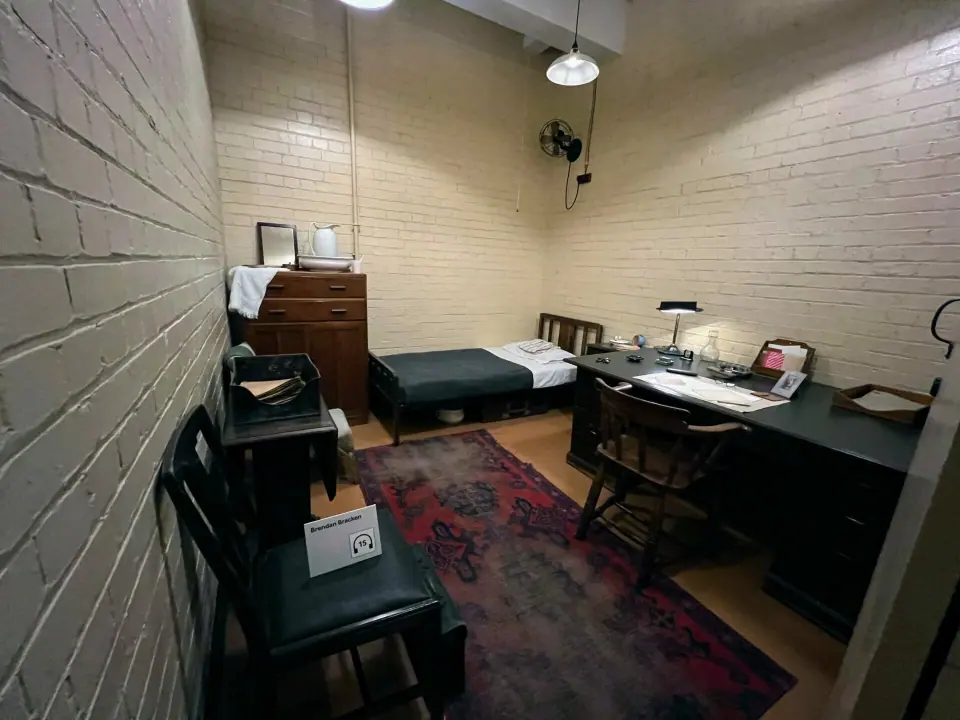
The government converted an existing basement beneath the Treasury building on King Charles Street into a secure working space. Nothing about it is grand. The rooms are plain and practical, which tells you how urgent the work was. This modest basement became home to the War Cabinet Room, where decisions that shaped the course of the war were taken.
Winston Churchill’s role
Churchill became Prime Minister in May 1940 and held his first War Cabinet meeting here two days later. His words are on the walls throughout the site, and visitors like to say that the smell of his cigars still lingers.
What happened here during the war
While the Blitz hit London above, the War Rooms were in constant use. Staff planned strategy, gathered intelligence and kept communications open with the Allied forces.
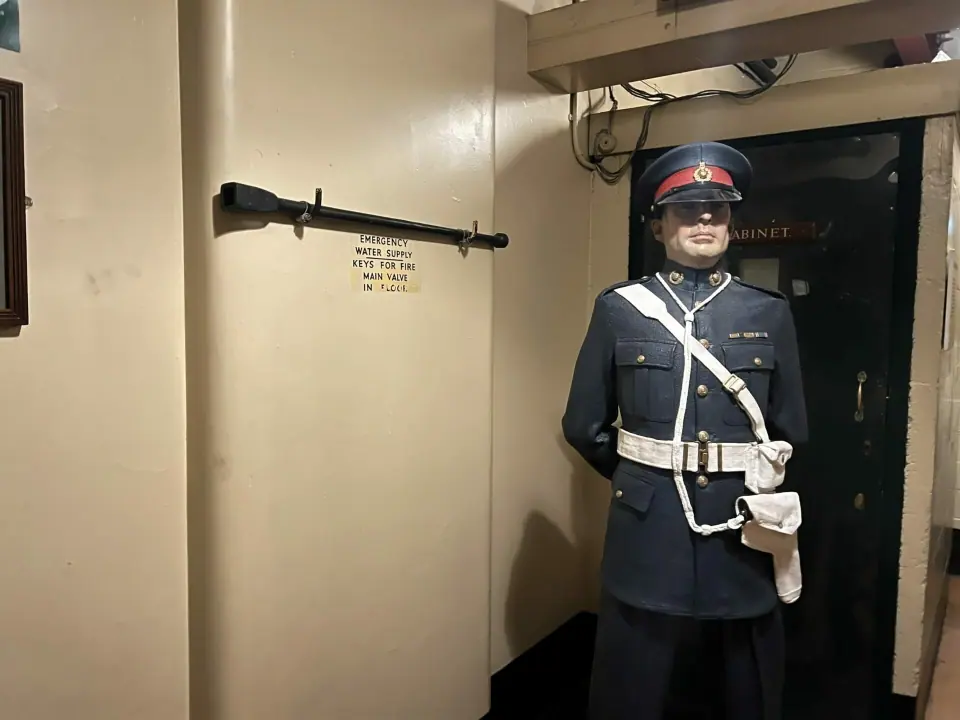
The work done in this maze of rooms ranged from handling day-to-day crises to planning D-Day. The bunker was the nerve centre of Britain’s war effort right up to the end, at a time when victory was far from certain.
That is what sets the War Rooms apart from the palaces and monuments nearby. You are standing where the events took place, and very little has been dressed up.
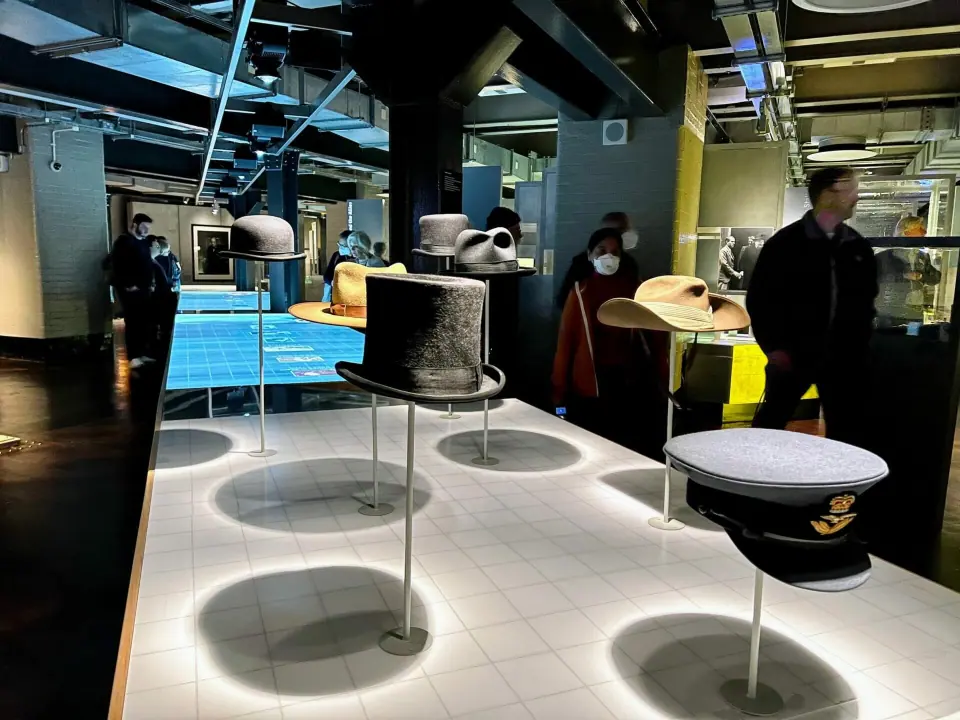
What to see in the museum
The two things not to miss are the Map Room and the Cabinet Room. Both are original spaces, kept as they were, and they are the reason to come.
The Churchill Museum
Inside the War Rooms is the Churchill Museum, described as the only museum in the world that covers all of Sir Winston Churchill’s life. It takes you through his early years, his political struggles, his wartime leadership and his legacy, using artefacts, personal mementos and interactive exhibits. Give it a good share of your visit: Churchill was a complicated figure, and the museum does not reduce him to the war years.
The Cabinet War Rooms
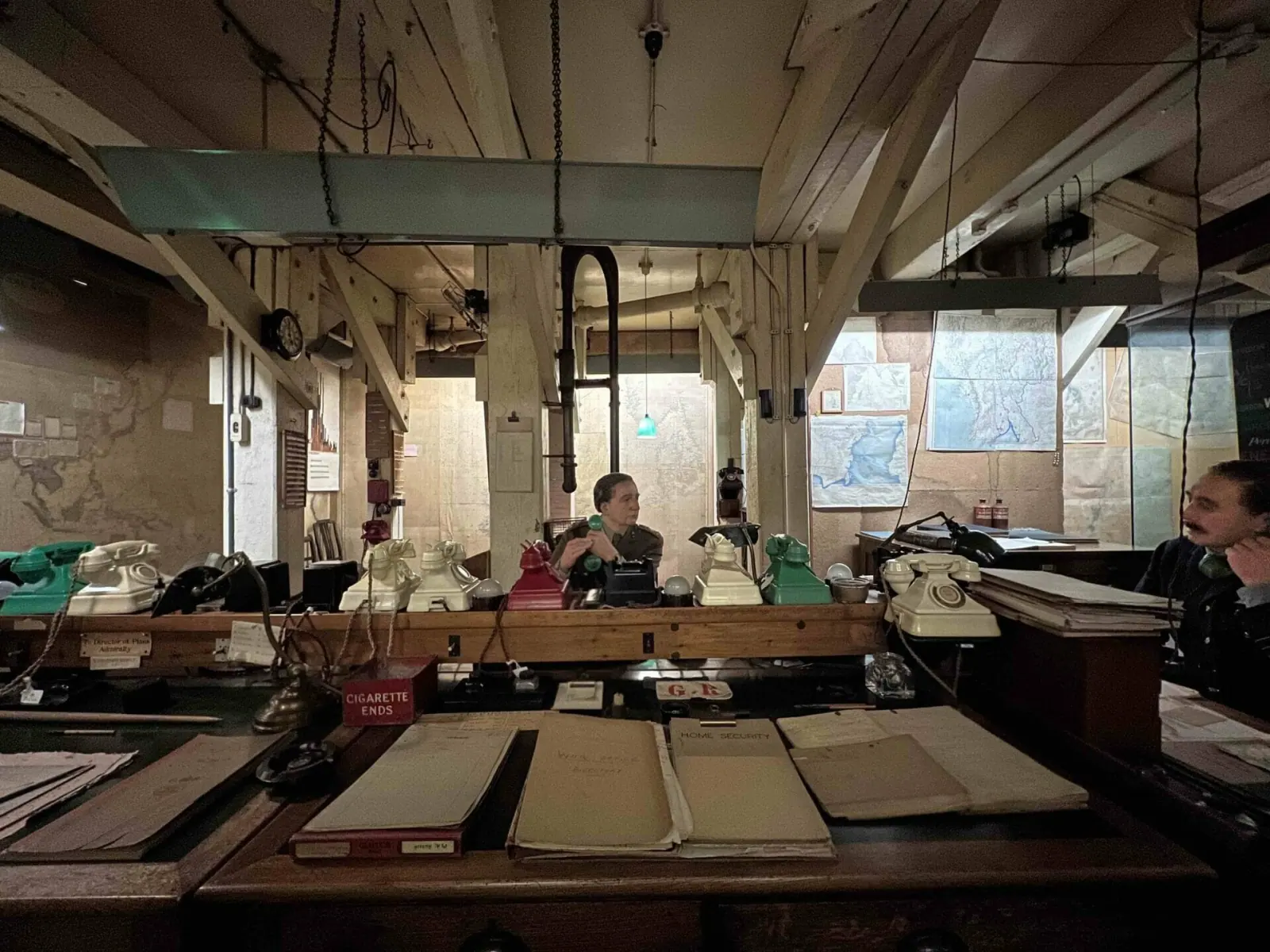
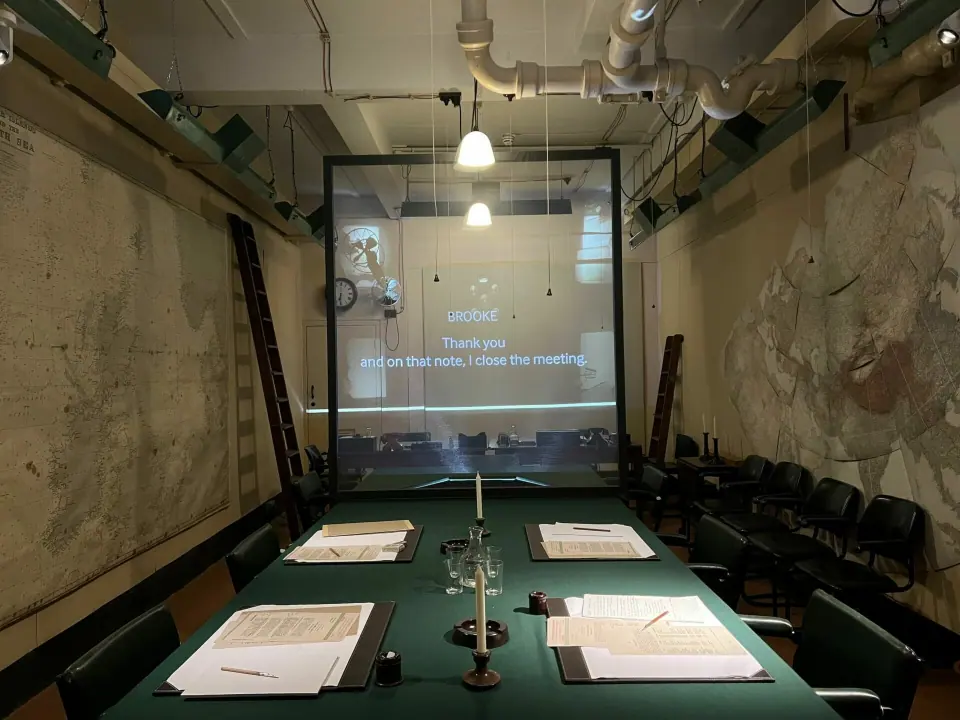
Further into the complex are the Cabinet War Rooms themselves. The Map Room has been left untouched since 1945, and it is easy to picture the officers who tracked Allied movements there. The Cabinet Room is where Churchill chaired the meetings that directed the war. These are not reconstructions. They are the working rooms themselves, preserved, and that is why they affect people more than a display case would.
Interactive displays
The interactive displays let you browse digital copies of Churchill’s personal documents. Multimedia presentations play his speeches, so you hear them as well as read about them.
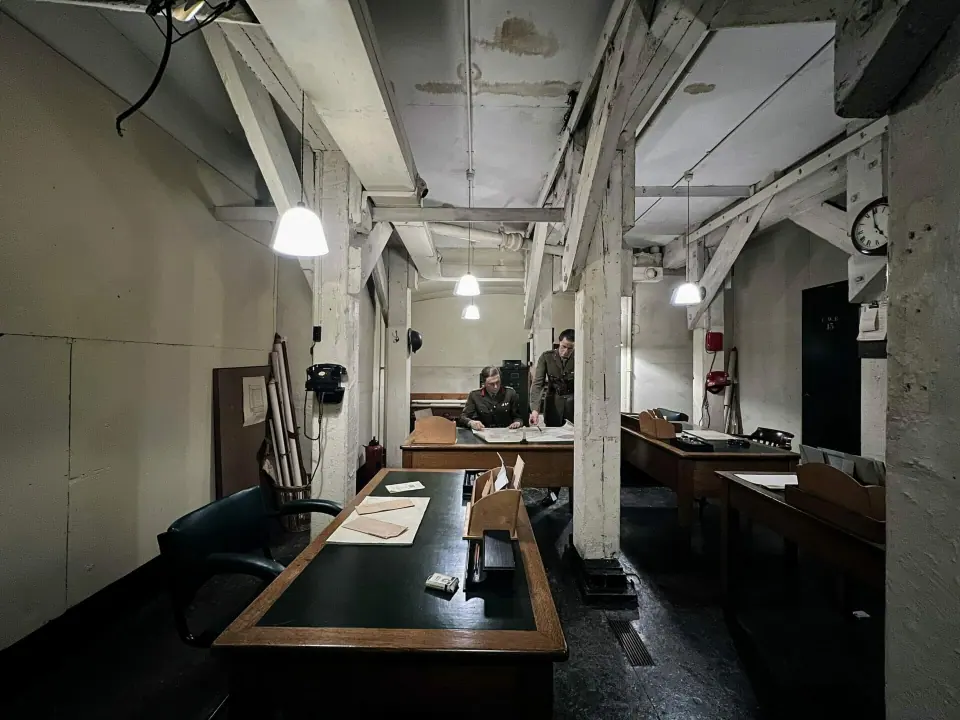
The mix of preserved rooms and modern interpretation works well. You get the real place and a clear explanation of what you are looking at, which many historic sites manage only one of.
What the visit is like
Expect a quiet, enclosed visit that feels very different from the streets of Westminster above. Most of what stays with people is small detail, so go slowly.
The atmosphere
Once you are below ground, the modern city drops away. The corridors are dimly lit, there is a smell of old wood and paper, and recordings of wartime broadcasts play in the background.
Details to look for
- Churchill’s reading glasses, left on a desk.
- Worn maps with notes scribbled on them.
- The cot where exhausted officers snatched some rest.
The Cabinet Room
The room where Churchill rallied his cabinet is the most affecting stop. Hard decisions were argued over here, victories were celebrated and losses were mourned, and the room makes that weight easy to feel.
Why Londoners rate it
For people who live in London, the War Rooms stand for the city’s resilience during the war. If you are walking through Westminster anyway, the detour below ground is worth your time.
Practical information: location, transport, hours and tickets
The Churchill War Rooms are in Westminster, usually open from 9:30 AM to 6:00 PM, and best booked online in advance.
Location
The entrance is on Clive Steps at King Charles Street, in the centre of Westminster. It is very close to 10 Downing Street, and near the Thames and Big Ben.
Getting there
The nearest Tube stations are Westminster (Jubilee, District and Circle lines) and St. James’s Park (District and Circle lines). Both are a short walk from the entrance, and an Oyster card is the simple way to pay for the journey.
Opening hours
The War Rooms usually open at 9:30 AM and close at 6:00 PM, with last admission at 5:00 PM. Check ahead for special events or unexpected closures.
Tickets and accessibility
Book in advance, because this is a popular attraction. You can buy tickets online, which saves time and can save a little money. The museum is wheelchair accessible, though it is best to let staff know in advance.
Two quick tips
Take your time, because each room has its own story and the site rewards slow looking. There is also a café on site, a good place to sit down with a scone afterwards.
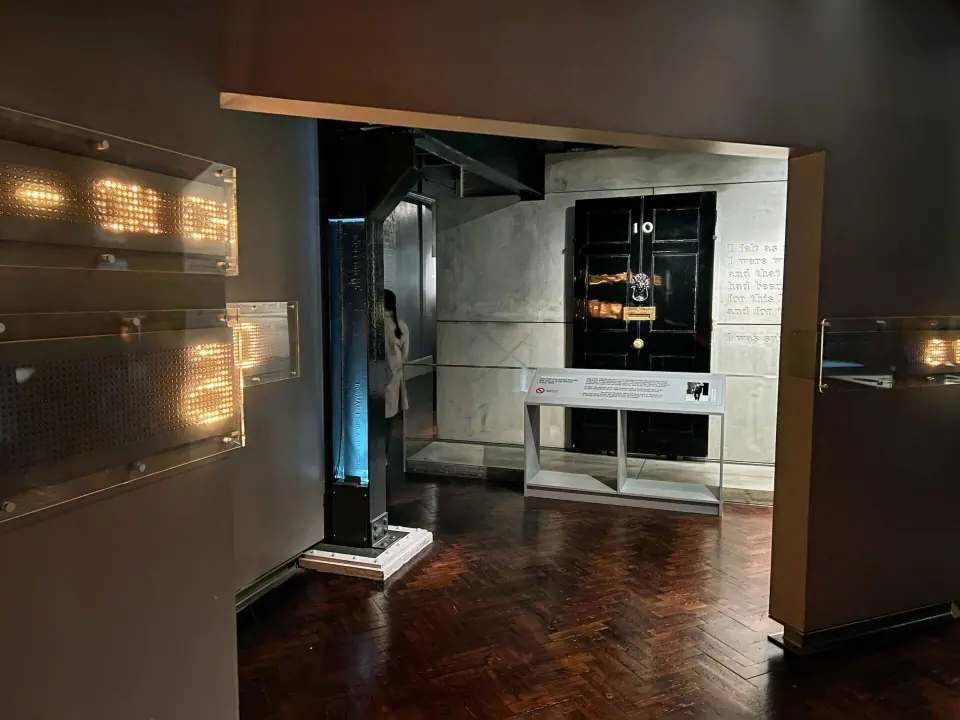
Tips for getting more out of your visit
Go on a weekday morning, take the audio guide, and pair the visit with another Westminster sight.
Best time to visit
The best time to visit is a weekday morning. Weekends and school holidays are busy, and the rooms are easier to enjoy without a crowd.
Combine it with nearby sights
You are in the middle of Westminster, so it is easy to add a walk along the Thames or a tour of Westminster Abbey to the same day.
Audio guide or guided tour
The War Rooms have a very good audio guide. Guided tours are also available if you want more depth, and guides often tell stories you will not get any other way.
Where to eat afterwards
Westminster has plenty of places to eat nearby, from traditional pubs serving classic British food to modern bistros. If you would rather not leave the building straight away, the on-site café is the easy option.
Wear comfortable shoes
You will be on your feet the whole time, and probably for the rest of your day in London as well.
The shop
Leave a few minutes for the museum shop on the way out. It sells books, wartime memorabilia and gifts linked to the period, and it is better than the usual souvenir stand.
Give it your attention
The War Rooms repay attention. Read the labels, listen to the recordings and let the place set its own pace instead of ticking off rooms.
Who should visit the Churchill War Rooms
Visit if you have any interest in the Second World War, in Churchill, or in how London got through the war. It works for first-time visitors and for people who know the city well. The next time you are on Whitehall, walk down Clive Steps and go in.