On this page 16 sections
- Why Traveling Light Pays Off
- Start With a Good Carry-On Bag
- Choose the Right Bag for Your Trip
- Make a Packing List First
- Roll Your Clothes, Don’t Fold Them
- Think Before You Pack
- Don’t Overpack
- Things You Should Always Carry on Board
- Carry-On Essentials for Sleeping
- Choose Versatile Clothing
- Bring Only Essential Toiletries
- Wear Comfortable Shoes
- Use Packing Cubes
- Electronics
- Documents and Travel Info
- Before You Zip the Bag
Flying with only a carry-on saves you checked-bag fees, which matters most on budget airlines, and keeps your belongings with you. This guide explains how to choose the bag, how to pack it so everything fits, and which items should always travel in the cabin with you.
Why Traveling Light Pays Off
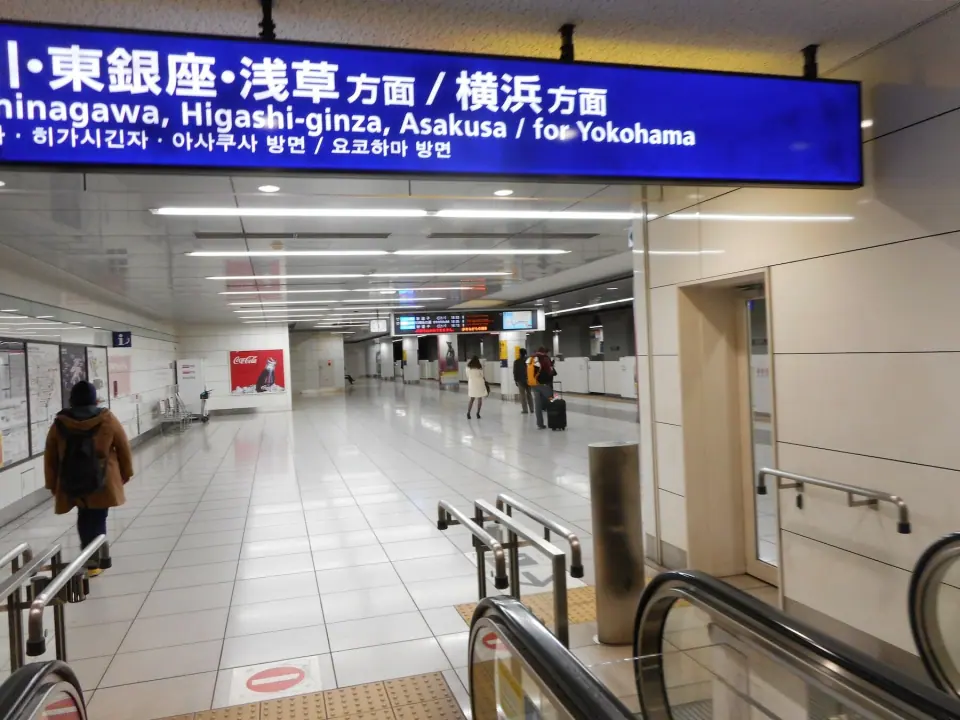
With a carry-on only, your luggage can’t be damaged or lost in the hold, and you pay nothing extra on low-cost airlines that charge for checked bags. You also move more easily through airports, hotels and hostels where space is tight, spend less time at checkpoints, and run a lower risk of theft because your bag is never left unsupervised.
The difficulty is fitting in everything you need without ending up with a heavy bag. The sections below take that problem one step at a time.
Start With a Good Carry-On Bag
Buy a durable carry-on with several compartments. It has to survive rough handling, and the compartments keep you organized. Think twice about wheels: they seem like a good idea but can be awkward to steer through tight spaces. Time spent choosing the bag now makes every later trip easier.
Choose the Right Bag for Your Trip
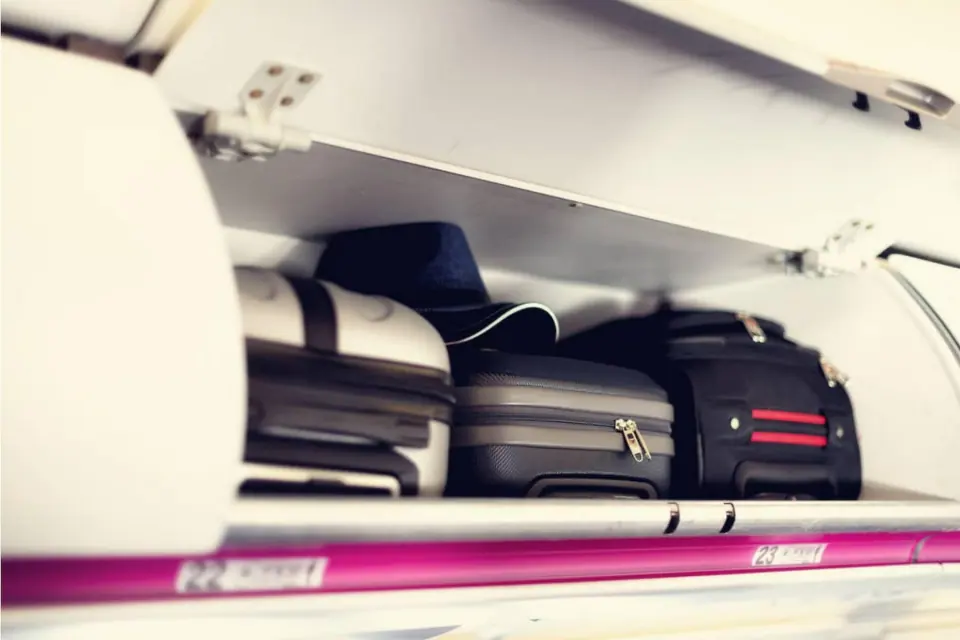
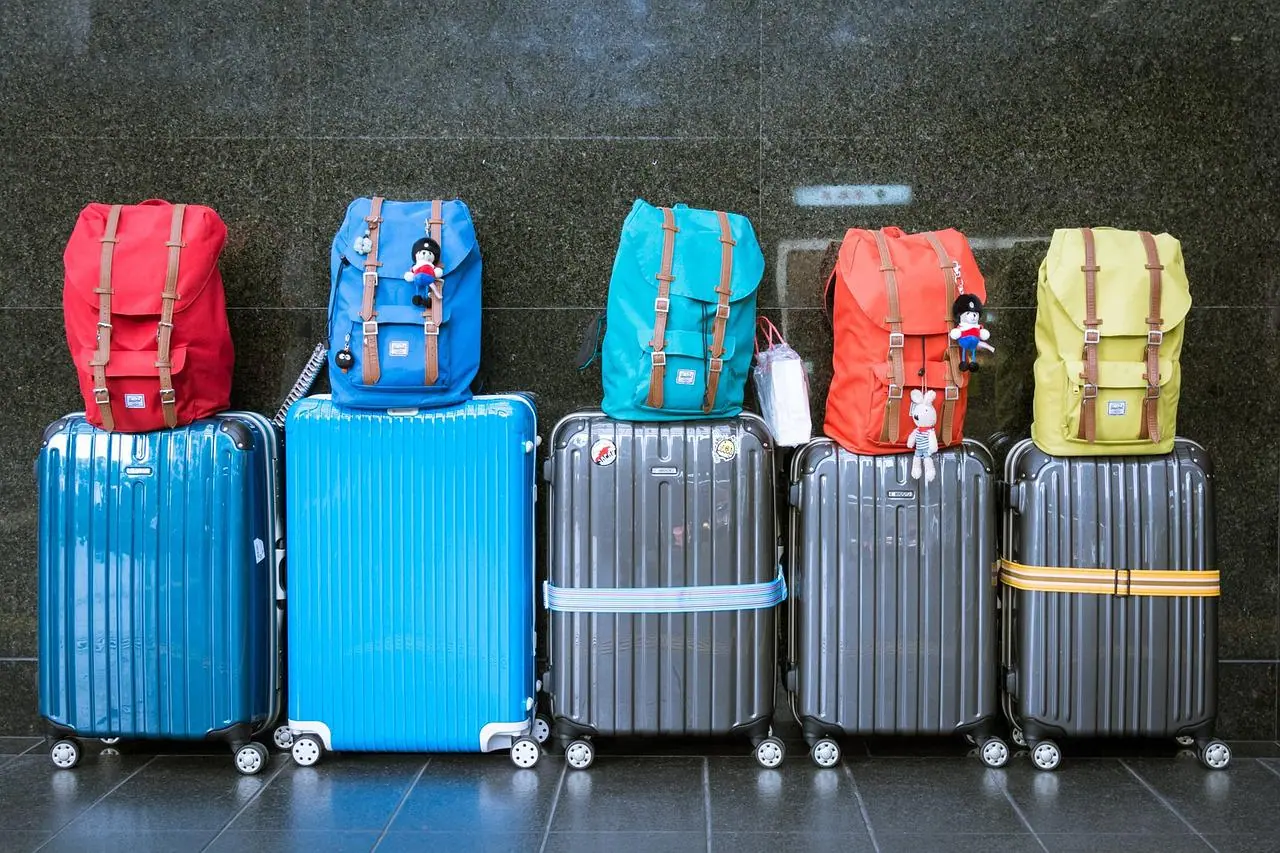
Match the luggage to the trip. A rolling suitcase suits longer or international trips, while a backpack is better for a short trip or one with a lot of walking.
A carry-on bag is the best fit for a short trip or if you plan to use public transportation. Consider how much you need to bring and what you will be doing.
If you expect to shop a lot, bring an extra bag. If the trip is mostly sightseeing, you will need less.
Make a Packing List First
Write a packing list before you put anything in the bag. It keeps you organized and stops you forgetting something important.
Do this for a weekend away as much as for a long vacation. Start with the essentials: clothes, toiletries and medication. Then add the other things you need, such as travel documents or a camera. Pack item by item from the list.
Roll Your Clothes, Don’t Fold Them
Rolling your clothes saves space in your luggage and helps prevent wrinkles.
It is one of the best travel tips for fitting more into a small bag. Here is how to do it:
1- Fold a shirt in half, then in half again.
2- Roll it up from the bottom, tucking in the ends as you go.
3- For pants, fold them in half once, then roll them up.
4- Put socks and underwear in a mesh laundry bag or an old stocking.
5- Pack shoes inside each other or in a shoe bag.
6- Once everything is rolled, place it all in your suitcase or backpack.
Think Before You Pack
Check the weather and any safety warnings for your destination before you pack. Frequent travelers tend to pack the same items every time, but a different climate or a different kind of trip calls for a different list: everything you need and nothing you don’t.
Don’t Overpack
Pack light: The more you fit in a carry-on, the less you have to worry about lost or stolen checked bags.
Wear your heaviest or bulkiest items on the plane. If the trip involves the gym, hiking or lots of walking, wear that gear and keep the lighter, smaller items for the bag. It helps you avoid checking a bag or running out of room.
Bring what you know you will use. Remember essentials like your toothbrush and charger, and keep the rest light. You will have room for souvenirs and less weight to carry.
Things You Should Always Carry on Board
Shoes: On a long-haul flight you won’t want to wear the same pair the whole time, so pack a comfortable second pair in your carry-on. Easy shoes also help at airport security in places where you still have to take them off. Swimwear: Worth having for any destination with beaches.
Tights or leggings: Good for cold flights, or if you are going on a hike or other outdoor activity after you arrive. A lightweight scarf: It doubles as a blanket or shawl. A sleep mask: If you are sensitive to light, it helps you rest on long flights.
Carry-On Essentials for Sleeping
Earplugs: Planes are noisy, and a pair of earplugs with a sleep mask helps you sleep. They are also much easier to pack than earmuffs or headphones. A sleep-inducing scent: Scenting a travel pillow with lavender, chamomile or another relaxing fragrance can help you relax and sleep, even in a noisy cabin. Last, bring an empty water bottle.
Choose Versatile Clothing
Pack clothes you can mix and match into several outfits, so you have more options from fewer items. Bring layers such as a cardigan or scarf, which can double as a pillow on long flights and make it easier to rest when you are dealing with jet lag.
Bring Only Essential Toiletries
Bring only the toiletries you need, in travel-sized bottles for shampoo, conditioner, body wash and other liquids.
- Sunscreen: Useful even indoors, since UV rays come through many windows. On your face, it also protects against wrinkles.
- Bug repellent: Bring it if you are going somewhere with mosquitos, flies or other biting pests.
- Hand sanitizer: Airplanes and other places you pass through on a trip are often dirty. Sanitizer is the simplest way to keep your hands clean.
- First aid kit: Bandages, antibiotic ointment and a few other basics, for the day you need them.
Wear Comfortable Shoes
Travel in flats or sneakers. Avoid heels and any shoes you wouldn’t want to walk a long distance in. Flats and sneakers are easy to walk in and take up little space in your carry-on.
Use Packing Cubes
Packing cubes are one of the best ways to get more into a carry-on and stay organized. They keep clothes tidy, help prevent wrinkles, and let you find what you need without digging through the whole bag.
Some cubes come with compartments for separating types of clothing. Keep shirts in one cube, pants in another, and so on. Some also have built-in RFID-blocking technology, intended to protect items at risk of identity theft.
If you want one change that makes packing simpler, this is the one we would pick. Frequent flyers swear by them.
Electronics
Earphones: You need them if you plan to listen to music, podcasts or anything else on your device.
A battery pack with multiple USB ports: If you will be using a laptop, phone or camera, bring a backup battery pack so you have enough charge for the trip. Headphones: They block out the noise around you on the plane or in the airport, and work for music and podcasts too.
Documents and Travel Info
Passport: You can’t leave the country without it. A notebook or journal: For keeping track of what you see and do. Credit cards: For emergencies or for withdrawing cash from an ATM. Money: You will likely need some cash, especially in a developing country.
Hotel reservations: Keep the confirmation number, dates and other details, such as directions to and from the hotel.
Before You Zip the Bag
The bag matters, and so does what goes in it.
A few well-chosen items make the flight more comfortable, and an organized carry-on saves you time and stress. One last thing: don’t forget your travel insurance.