On this page 13 sections
- 1. Book an aisle seat
- 2. Get your boarding pass online before you reach the airport
- 3. Pack a travel pillow and an eye mask
- 4. Make a packing list
- 5. Check online whether your flight is delayed
- 6. Bring snacks and drinks
- 7. Dress comfortably
- 8. Walk around the cabin during the flight
- 9. Bring an empty reusable water bottle
- 10. Consider premium economy if you have the budget
- Bonus: apps, loyalty programs and lounges
- Bonus: plan for jet lag
- More flight tips
Cramped seats, little legroom and poor sleep make flying tiring, but a few habits fix most of it. These ten tips cover choosing a seat, checking in, packing, staying comfortable on board and deciding when to pay for an upgrade.
For the part of the trip before you board, see our best airport tips to make your travel smoother.
1. Book an aisle seat
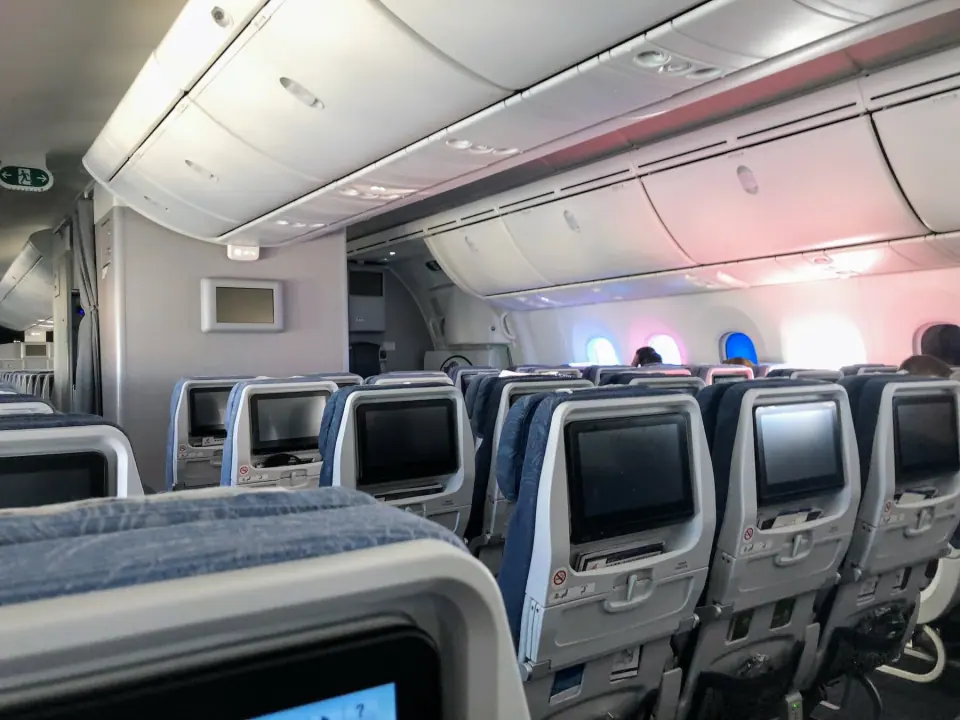
An aisle seat gives you more room to move around and stretch your legs. If none are left, try for a seat near the front or the back of the plane. Exit rows and bulkhead seats have more legroom, but they are not allocated by height. Anyone seated in an exit row must be willing and able to help in an evacuation, and airlines often charge extra for these seats, so check before booking.
2. Get your boarding pass online before you reach the airport
Checking in online is much faster than waiting in line at the airport, so do it before you leave home. You can print your boarding pass yourself and skip the queue.
Download your airline’s app when you plan the trip. It shows your flight status and other important information, lets you reserve a seat and gives you your boarding pass.
If you would sooner not use paper, save the boarding pass to your smartphone.
3. Pack a travel pillow and an eye mask
Bring a neck pillow, a blanket and an eye mask so you can rest.
4. Make a packing list
Write a packing list a few days before your flight so you do not forget anything important. Put everything on it, from your passport to your toothbrush.
The list should include:
- Clothing
- Electronics
- A portable charger for your phone and other devices
- Toiletries
- Documents
- Medication
- Your travel insurance policy
5. Check online whether your flight is delayed
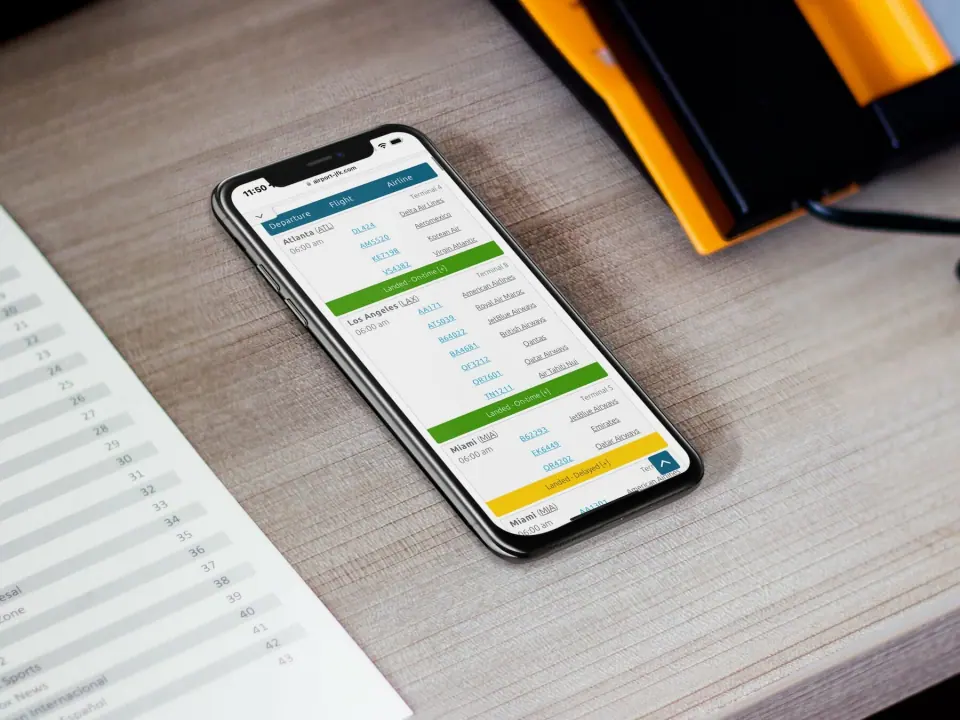
Check your flight status before you leave for the airport. Delays are always possible, and they are easier to live with at home than at the gate.
6. Bring snacks and drinks
Bringing your own food and drink keeps you from getting hungry or dehydrated, and it can save you a lot of money. Pack some snacks to eat during the flight. In the United States, the TSA lets solid food through security in your carry-on, but liquids and gels are limited to 3.4 oz (100 ml), so buy drinks after the checkpoint. Baby food is allowed in reasonable quantities in carry-on bags.
7. Dress comfortably
Wear loose clothing and comfortable shoes, particularly on a long flight. Avoid anything tight, and choose shoes that are easy to take off and put on.
Bring a scarf or shawl in case the cabin gets cold.
8. Walk around the cabin during the flight
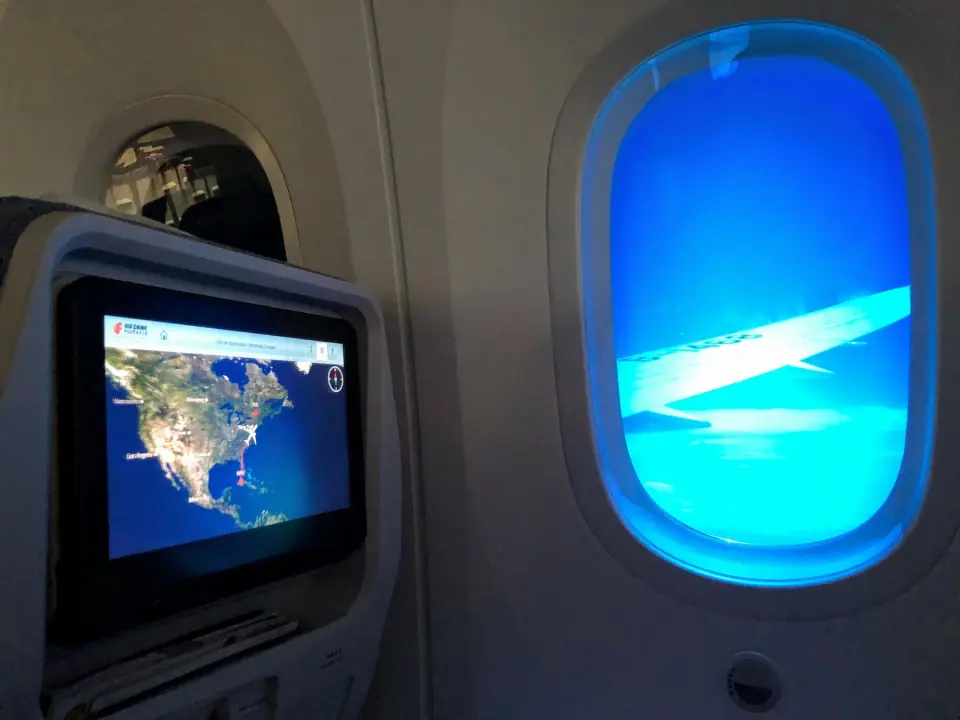
Walking helps circulate blood and oxygen through your body, and it makes a long flight in a small space easier to bear.
- On trips of more than about four hours, the CDC advises walking around every one to two hours and moving your legs often while seated, to reduce the risk of blood clots.
- Bring a pair of slip-on shoes for the plane, since you will be up and down a lot.
- If you are traveling with a partner, take turns getting up, so that both of you stay comfortable.
9. Bring an empty reusable water bottle
Bring an empty bottle and fill it at the airport or on the plane. Cabin air is dry, so drink water throughout the flight. Staying hydrated helps you feel less tired when you land. Keep an eye on children too, who may not ask for a drink.
10. Consider premium economy if you have the budget
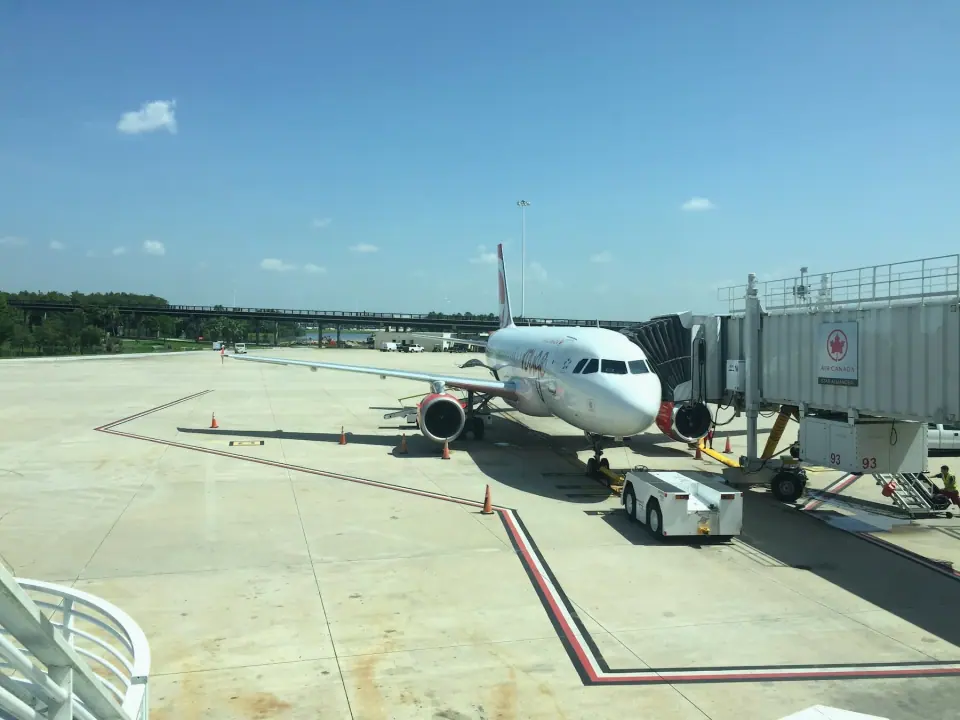
The price gap between economy and premium economy is much smaller than the gap between premium economy and business class. Airlines sometimes sell upgrades to premium economy at check-in for a reduced fee, so ask about deals when you check in.
What premium economy can include, depending on the airline
- extra legroom
- extra recline
- wider seat cushions
- priority boarding
- priority luggage allowances
- extra earned miles
- amenity kits
- larger in-flight entertainment screens
- upgraded headphones
- plated premium meals
Bonus: apps, loyalty programs and lounges
Beyond your airline’s app, TripIt builds one itinerary from the confirmation emails you forward to it. In the United States, the official MyTSA app estimates how busy an airport’s security will be, and TSA PreCheck gives you a dedicated lane where shoes, belts and light jackets stay on and laptops stay in the bag. Join the airline’s loyalty program even if you fly rarely: airline credit cards and elite status can bring free checked bags and early boarding. For long layovers, a lounge membership such as Priority Pass covers more than 1,900 lounges and airport experiences worldwide. The seat-map site SeatGuru closed in October 2025, so use the seat map in your airline’s app and check the aircraft type before you pick.
Bonus: plan for jet lag
When you cross several time zones, start adjusting before you leave. Jet lag apps such as Timeshifter are built for this. The simple version is to shift your sleep toward the destination’s time, drink water and get daylight on arrival.
More flight tips
None of these habits costs much. Start with the seat, the online boarding pass and the water bottle.