On this page 12 sections
- 1. Portable beach umbrella
- 2. Beach towel bands
- 3. Cash for tips
- 4. Reusable insulated drink container
- 5. Waterproof phone case
- 6. Travel-sized first aid kit
- 7. Power strip or portable charger
- 8. Lightweight beach blanket
- 9. Snorkeling gear
- 10. Insect repellent and sunscreen
- 11. Appropriate footwear
- Where to use this packing list
An all-inclusive resort covers your room, food and drinks, but it won’t supply everything that makes a beach week comfortable. These 11 items are worth the space in your bag, and each one comes with the reason to bring it and what to look for when you buy. Add them to your packing list before you leave.
1. Portable beach umbrella
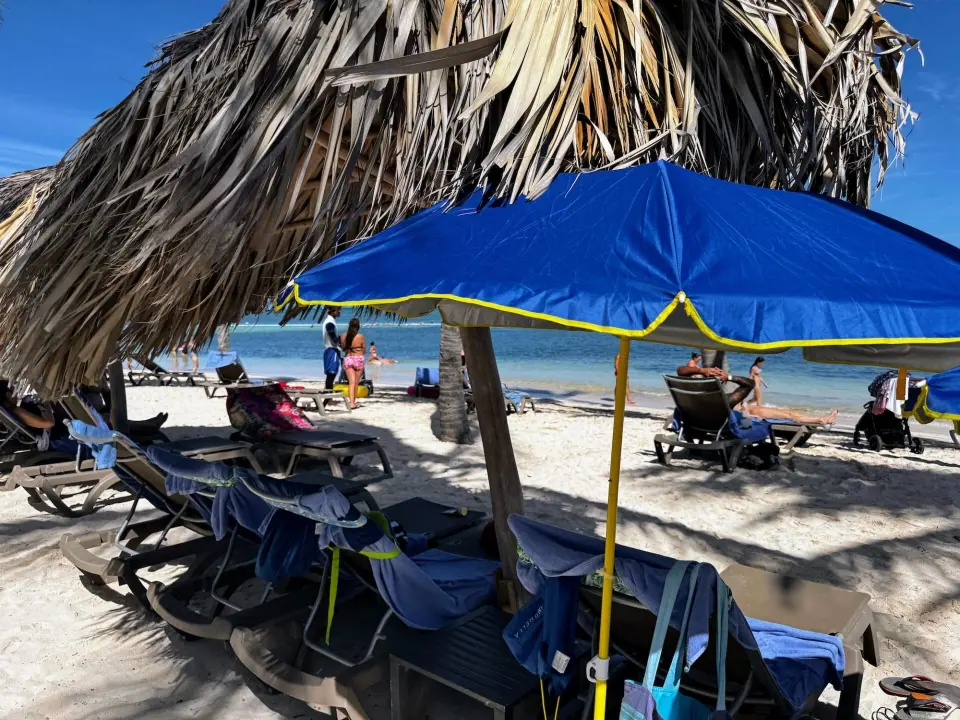
Why bring it: shade is often in short supply. Many resorts have a limited number of palapas on the beach, not enough for every guest, and at peak hours people compete for them. Long hours in direct sun raise your risk of sunburn and heat discomfort.
What to buy: a lightweight, collapsible umbrella that fits in your luggage, with UV protection and an adjustable height. Sport-Brella makes durable models with side flaps for extra coverage. With your own umbrella you have shade whenever you want it and can stay on the beach longer.
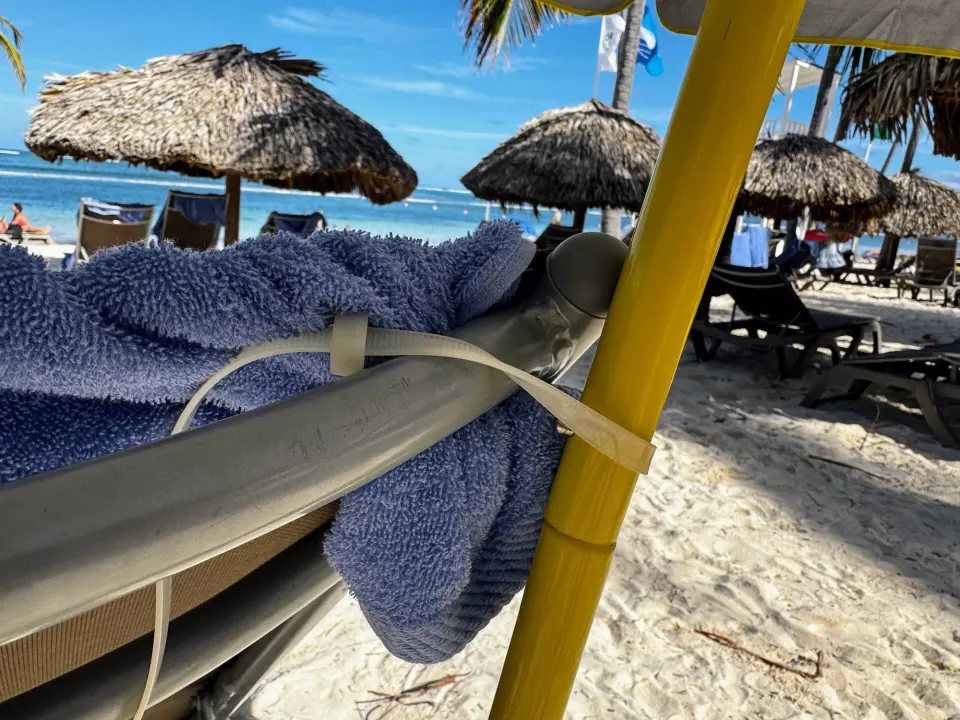
Pro tip: on windy days, fasten the umbrella pole to your beach chair with strong zip ties so it can’t tip over or blow away. Pack a pair of cutting pliers to remove the ties when you leave. It also helps to angle the umbrella into the wind and push its base deep into the sand.
2. Beach towel bands
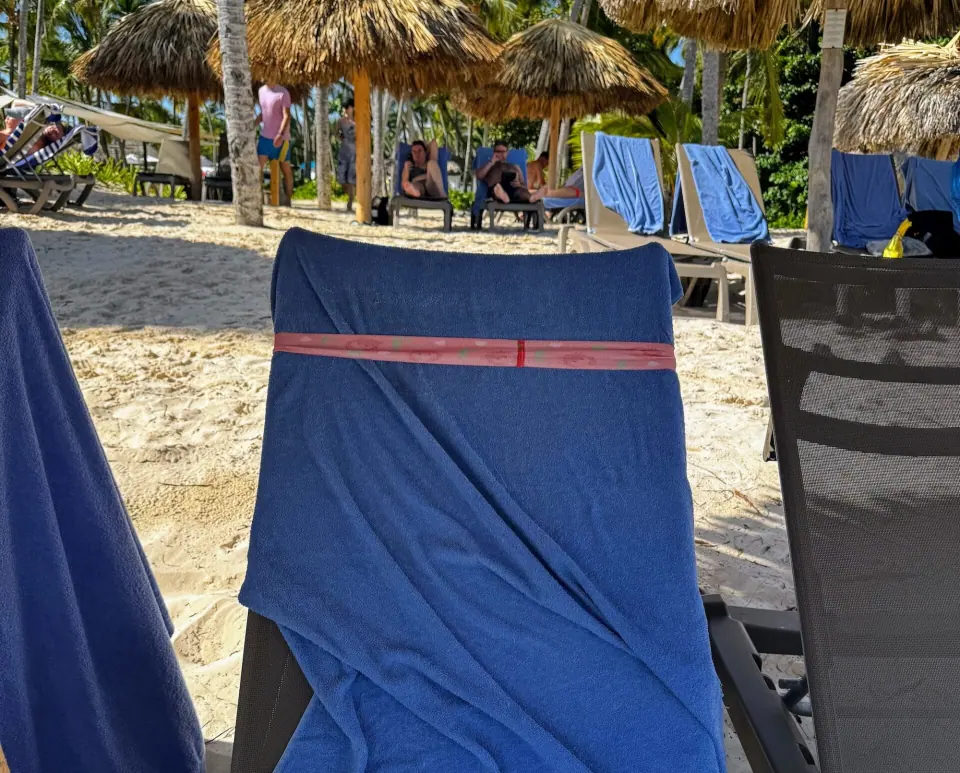
Why bring them: beaches are breezy, and a loose towel gets blown off your lounger, sometimes along with whatever you left on it. A towel that lands on the ground also picks up sand. That happens on every coast, Martinique included.
What to buy: towel bands are elastic straps that hold your towel to a lounger or chair. They are compact and easy to pack, and they keep your spot in order while you swim. TowelMate sells durable bands in bright colors. If you are still choosing where to go, see our guide to the best all-inclusive resorts in the Caribbean, and try the itinerary generator to plan your days.
3. Cash for tips

Why bring it: tipping is still customary at all-inclusive resorts, even though most expenses are covered. Bartenders, waiters, housekeeping staff and concierges often depend on tips for a large part of their income. Staff also tend to go the extra mile for guests who show appreciation.
What to bring: small denominations of American dollars, which are widely accepted in many resort destinations. Work out the amount from the length of your stay and the services you expect to use. As a guide, it is customary to tip housekeeping $2 to $5 per day and bartenders $1 to $2 per drink. With small bills on hand you can reward good service on the spot.
4. Reusable insulated drink container
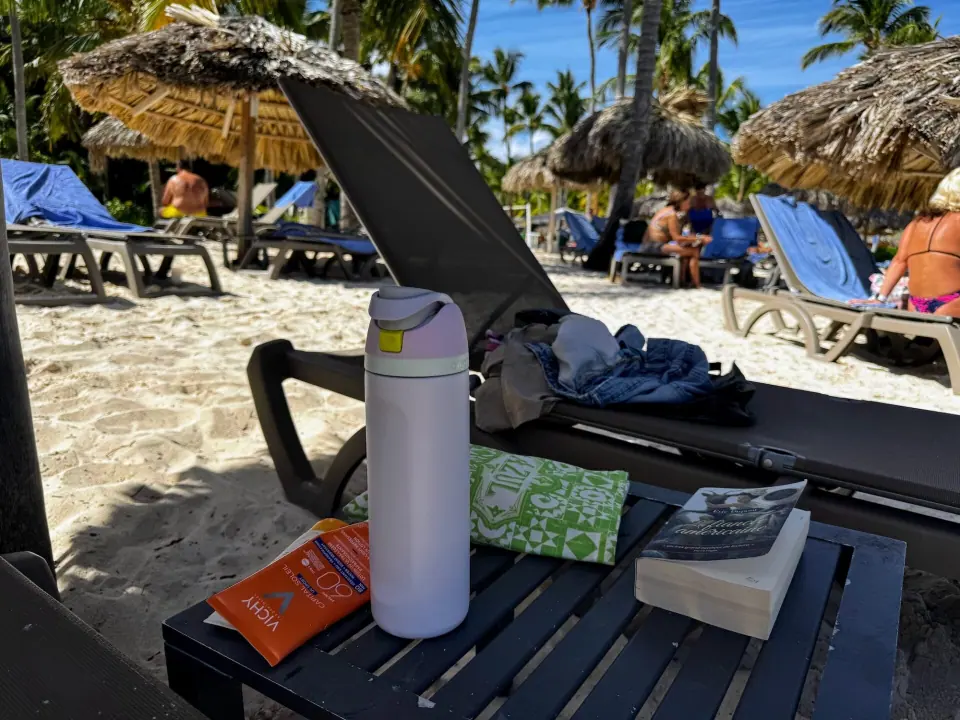
Why bring it: the standard cups at a resort won’t keep a drink cold in the sun. An insulated container keeps drinks cold or hot for hours, and it cuts down on disposable cups.
What to buy: a durable insulated tumbler or bottle with a secure lid. Yeti and Hydro Flask are known for quality and for holding temperature. A capacity of 20 to 30 ounces suits most people. Some resorts will fill your own container directly at the bar.

5. Waterproof phone case
Why bring it: your phone will spend the week near the pool and the sea. A waterproof case protects it from water, sand and accidental drops, and it lets you take photos underwater.
What to buy: a good-quality case made for your phone model that still allows clear photos and normal use of the touchscreen. Before your trip, test the case in water without the phone inside to confirm that it doesn’t leak.
6. Travel-sized first aid kit
Why bring it: a small kit lets you deal with cuts, scrapes, headaches or an upset stomach straight away. Resorts have medical facilities, but for minor problems it is quicker to treat yourself.
What to pack: band-aids, antiseptic wipes, pain relievers, motion sickness tablets and any personal medications. Tweezers, hydrocortisone cream and adhesive tape are useful additions. Adventure Medical Kits sells pre-assembled travel kits that are light and well stocked.
7. Power strip or portable charger
Why bring it: resort rooms may have few electrical outlets, and most travelers carry several devices. This matters most if you rely on them for reading, taking photos or keeping in touch with family.
What to buy: a compact power strip with several outlets and USB ports, or a high-capacity portable charger. Check that the power strip is compatible with the voltage at your destination. Anker makes reliable portable chargers with multiple ports. Either option is especially useful when you share the room, because everyone can charge at once.
8. Lightweight beach blanket
Why bring it: a blanket gives you a clean place to sit on the sand when the loungers are taken or when you would like to be closer to the water. It also marks out your space and keeps sand off your belongings.
What to buy: a quick-drying, sand-resistant blanket that folds small. Parachute nylon is a good material because it is light and durable. Some designs come with stakes or with pockets you fill with sand, so the blanket stays put in the wind. Popchose is one brand that makes sand-resistant beach blankets.
9. Snorkeling gear
Why bring it: many resort destinations have reefs and marine life close to shore. Your own gear fits properly, is hygienic and is there whenever you want it. Resort equipment may be limited or less clean.
What to pack: a mask, snorkel and fins that fit comfortably. The mask should seal watertight, and the snorkel should have a purge valve so it clears easily. Try the equipment before your trip. Cressi makes reliable sets suited to travelers.
10. Insect repellent and sunscreen
Why bring them: sunburn and insect bites are the two quickest ways to spoil a beach holiday. Too much sun leads to painful burns, and bites can cause irritation or transmit diseases.
What to buy: a broad-spectrum, reef-safe sunscreen with an SPF of at least 30, which protects against UVA and UVB rays. For repellent, choose one with an EPA-registered active ingredient such as DEET, picaridin or oil of lemon eucalyptus, which is what the CDC recommends. Apply sunscreen first and repellent second, and reapply both as directed, especially after swimming or sweating.
11. Appropriate footwear
Why bring it: the wrong shoes are uncomfortable and can keep you out of some activities. A resort week takes you from the beach to the pool to excursions.
What to pack: three types of footwear cover most situations.
- Flip-flops or sandals: for the beach and pool, since they slip on and off easily. Look for arch support if you’ll wear them for long stretches. Teva and Chaco make supportive sandals that work for the beach and for casual outings.
- Water shoes: for kayaking, rocky shorelines and other activities in the water. They protect your feet from sharp objects and grip on slippery surfaces. The Speedo Surfwalker 3.0 is known for drying quickly and resisting slips.
- Closed-toe shoes: for excursions that involve hiking or uneven ground. Lightweight hiking shoes or sneakers with good grip are best. Break them in before the trip to prevent blisters.
Where to use this packing list
None of these items takes much room, and together they cover shade, sun, water, power and minor ailments for the whole stay.
Read our Comprehensive Guide to the Best All-Inclusive Resorts in the Caribbean