On this page 16 sections
- Washington DC sights at a glance
- Free things to do in Washington DC
- Museums, monuments and memorials to start with
- Shopping and eating in Georgetown
- 1. Lincoln Memorial
- 2. Jefferson Memorial
- 3. Martin Luther King Jr. Memorial
- 4. Franklin Delano Roosevelt Memorial
- 5. Arlington National Cemetery
- 6. National Gallery of Art
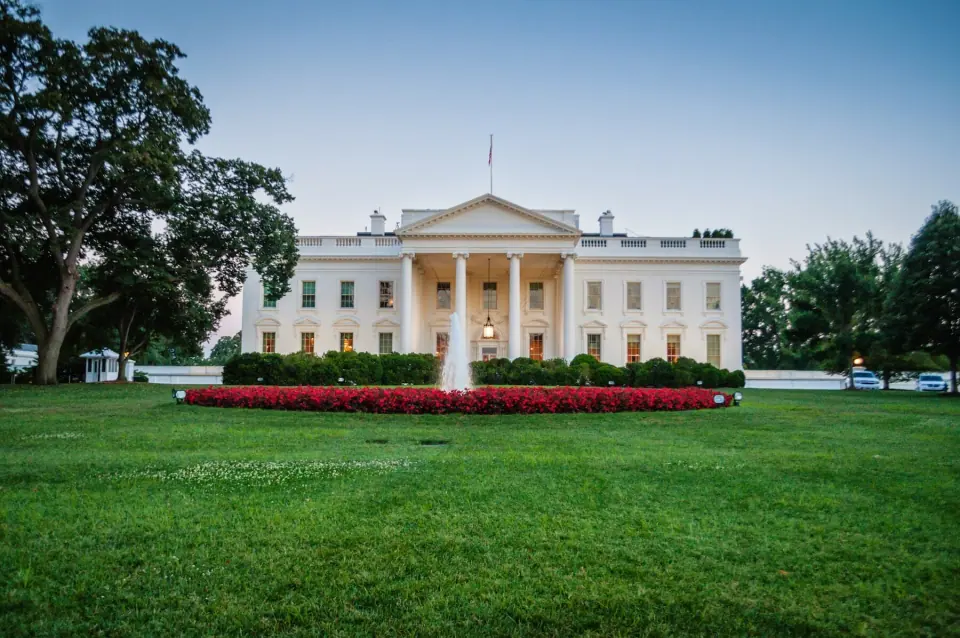
- 7. The White House
- 8. National Museum of African American History and Culture
- 9. National Mall
- 10. The Washington Monument
- 11. National Air and Space Museum
- Planning your visit
Washington DC sights at a glance
A vacation in Washington DC does not have to be expensive, because many of its best-known places charge nothing to enter. This list covers the memorials, the National Mall, Arlington National Cemetery, the main museums and the White House Visitor Center, with opening details where we have them. It starts with the free options and a detour to Georgetown.
Free things to do in Washington DC
The monuments and memorials are the city’s main draw, and they cost nothing. Those on and around the National Mall are open 24 hours a day, so you can see them early in the morning or after dark, when they are lit and quieter.
The Smithsonian museums on the Mall are free too, among them the National Museum of Natural History, the National Museum of American History and the National Air and Space Museum. The National Gallery of Art beside them never charges admission either.
Museums, monuments and memorials to start with
Start on the National Mall, the large park that holds many of the monuments and memorials. Its best-known landmark is the Washington Monument, a 555-foot obelisk with an observation level at the top. On the Mall you will also find the National Museum of American History, the place to learn about the history of the country.
Three more stops are worth adding:
- Arlington National Cemetery, across the Potomac in Virginia, with the Tomb of the Unknown Soldier and the grave of John F. Kennedy.
- The National Archives Museum, where the Declaration of Independence, the Constitution and the Bill of Rights are on display. Admission is free.
- The Smithsonian National Museum of Natural History, for anything to do with the natural world.
Shopping and eating in Georgetown
Georgetown is the neighbourhood to visit for shops and restaurants, and it is one of the most photogenic parts of the city. What to look for:
- M Street and Wisconsin Avenue: the two main shopping streets, with big brands and local shops.
- Book Hill: independent boutiques, galleries and antique shops along upper Wisconsin Avenue.
- The C&O Canal towpath: a quiet walk just below M Street.
- The Georgetown waterfront: a riverside park and a good place for an ice cream by the water.
1. Lincoln Memorial
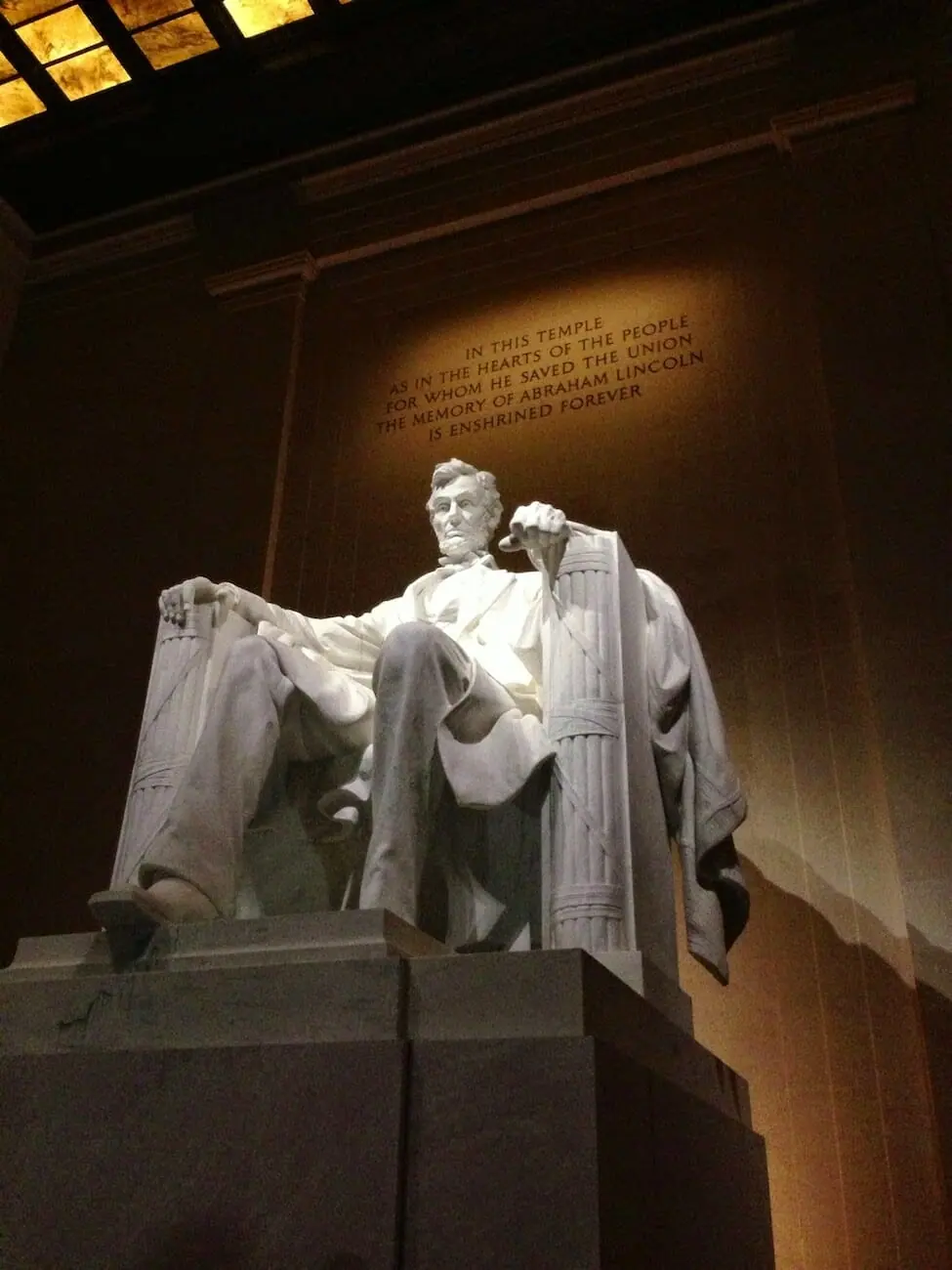
The Lincoln Memorial honours Abraham Lincoln, the 16th President, and it is open 24 hours a day, all year. Rangers are on duty from 9:30 a.m. to 10 p.m. daily, except December 25. It is one of the best-known memorials in the country.
The memorial was dedicated in 1922. It stands at the western end of the National Mall, facing the Reflecting Pool, the Washington Monument and the U.S. Capitol beyond. The Jefferson Memorial and the Martin Luther King Jr. Memorial are a walk away, around the Tidal Basin.
Inside, a marble statue designed by Daniel Chester French shows Lincoln seated, looking out over the Reflecting Pool. The Gettysburg Address and his second inaugural address are carved into the walls of the side chambers. On the steps outside, an engraving marks the spot where Martin Luther King Jr. gave his "I Have a Dream" speech in 1963.
2. Jefferson Memorial
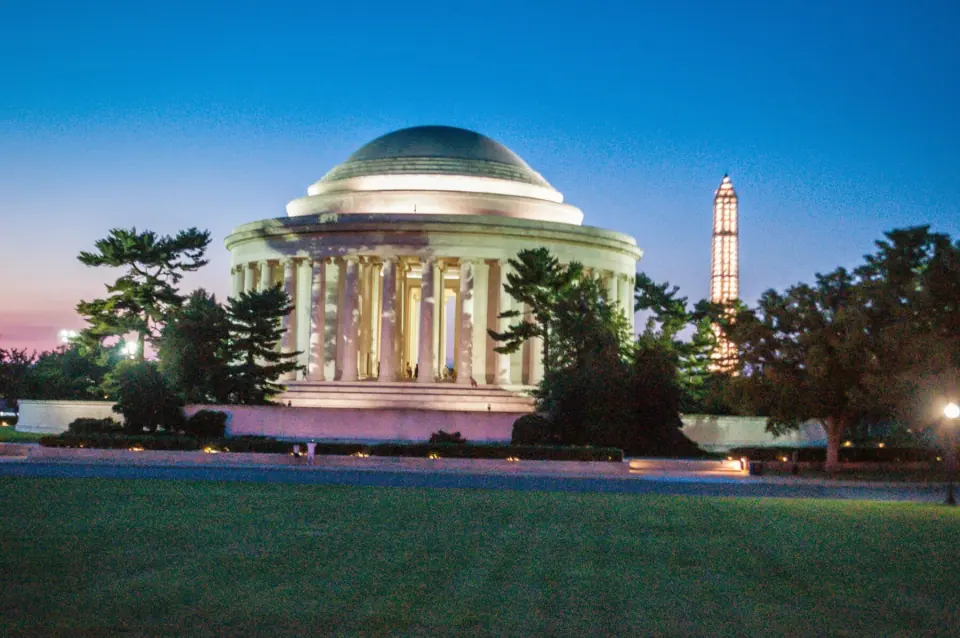
The Jefferson Memorial honours Thomas Jefferson, the third president. It was dedicated in 1943, on the 200th anniversary of his birth. The architect John Russell Pope based the design on the Pantheon in Rome and on the Rotunda that Jefferson himself designed for the University of Virginia.
A bronze statue of Jefferson about 19 feet tall stands under the dome. The memorial sits directly south of the White House, and from its steps you look out across the Tidal Basin.
You will find it in West Potomac Park, on the shore of the Tidal Basin. Like the other memorials, it is open 24 hours a day.
3. Martin Luther King Jr. Memorial
The Martin Luther King Jr. Memorial is open 24 hours a day. It opened to the public on August 22, 2011 and covers four acres in West Potomac Park, beside the Tidal Basin.
The design comes from a line in King’s "I Have a Dream" speech: "Out of the mountain of despair, a stone of hope." You will see the Stone of Hope, a granite sculpture of King about 30 feet tall, with two walls behind it inscribed with quotations from his speeches and writings. Read the walls slowly. They are the part of the memorial that best conveys what the civil rights leader stood for.
4. Franklin Delano Roosevelt Memorial
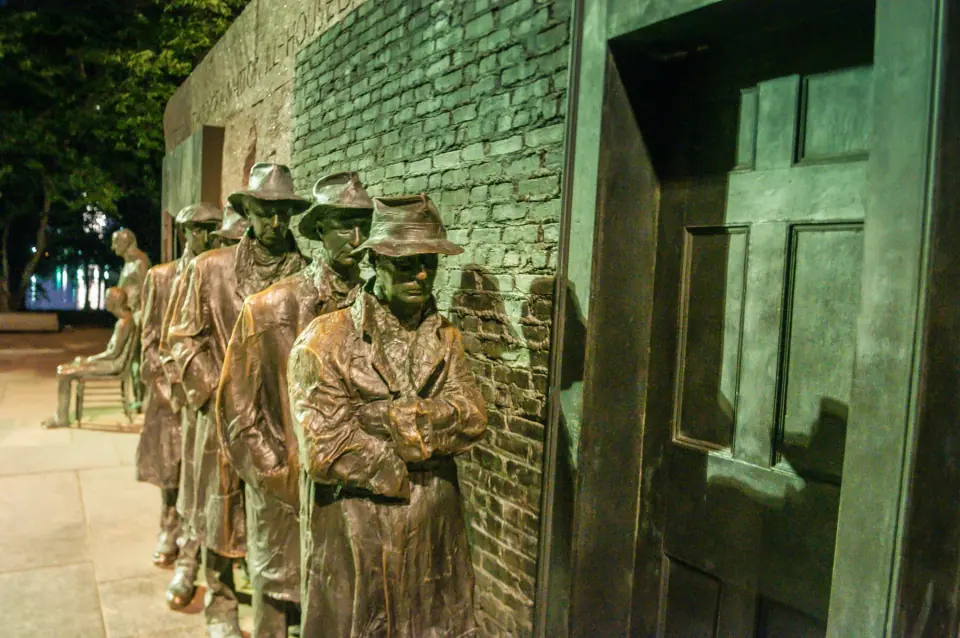
The FDR Memorial stands on the banks of the Tidal Basin and honours the 32nd US president, the only one elected four times (in 1932, 1936, 1940 and 1944).
The memorial is laid out as four open-air rooms, one for each of his terms, and each has a waterfall. Bronze statues show Roosevelt and scenes from his years in office, including one of him with his dog Fala. It is one of the calmer memorials, and a good one to pair with the Jefferson and King memorials on the same walk around the Basin.
5. Arlington National Cemetery
Arlington National Cemetery is a military cemetery of 639 acres across the Potomac River in Virginia, at the end of Memorial Avenue. The best-known stops are the Tomb of the Unknown Soldier, where the guard is changed in a formal ceremony, and the grave of President John F. Kennedy.
The cemetery is open daily from 8 a.m. to 5 p.m. as of late 2026, and visitors on foot pass through security screening at the Welcome Center. People come here to pay their respects, so behave as you would at any place of mourning. It belongs on a first visit to the city.
6. National Gallery of Art
Admission to the National Gallery of Art is always free. The gallery is on the National Mall, at 6th Street and Constitution Avenue NW. Congress established it in 1937 and its West Building opened in 1941.
It holds more than 160,000 works. Alongside the paintings and sculpture there are drawings, prints, photographs and decorative arts, and a sculpture garden next to the West Building.
7. The White House
Admission to the White House Visitor Center is free, and it is open year-round. It is at 1450 Pennsylvania Ave. NW, a short walk from the White House itself at number 1600. Check the park’s operating hours page before you go.
Inside you will find about 100 historical artifacts, interpretive panels, looping videos and interactive displays. You can take a touchscreen tour of the White House, see more than 90 artifacts from the White House collection and watch the 14-minute film "White House: Reflections From Within". The White House Historical Association runs a shop on site for souvenirs.
8. National Museum of African American History and Culture
This Smithsonian museum at 1400 Constitution Ave. NW opened in 2016 and tells the story of African American life, history and culture. Admission is free, but you need a timed-entry pass: advance passes are released 30 days ahead, and same-day passes go online each morning. Go if you want to understand American history properly.
9. National Mall
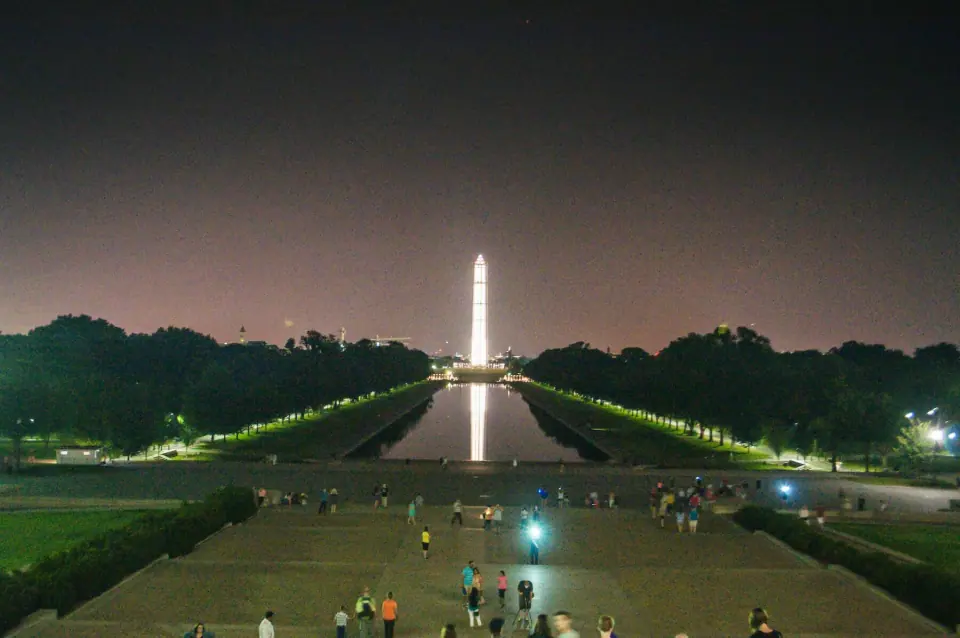
The National Mall is the long stretch of green in downtown Washington DC between the US Capitol and the Lincoln Memorial, lined with museums and memorials. It is about 1.9 miles from the Capitol steps to the Lincoln Memorial, so walk one section at your own pace or allow a few hours for the full length.
10. The Washington Monument
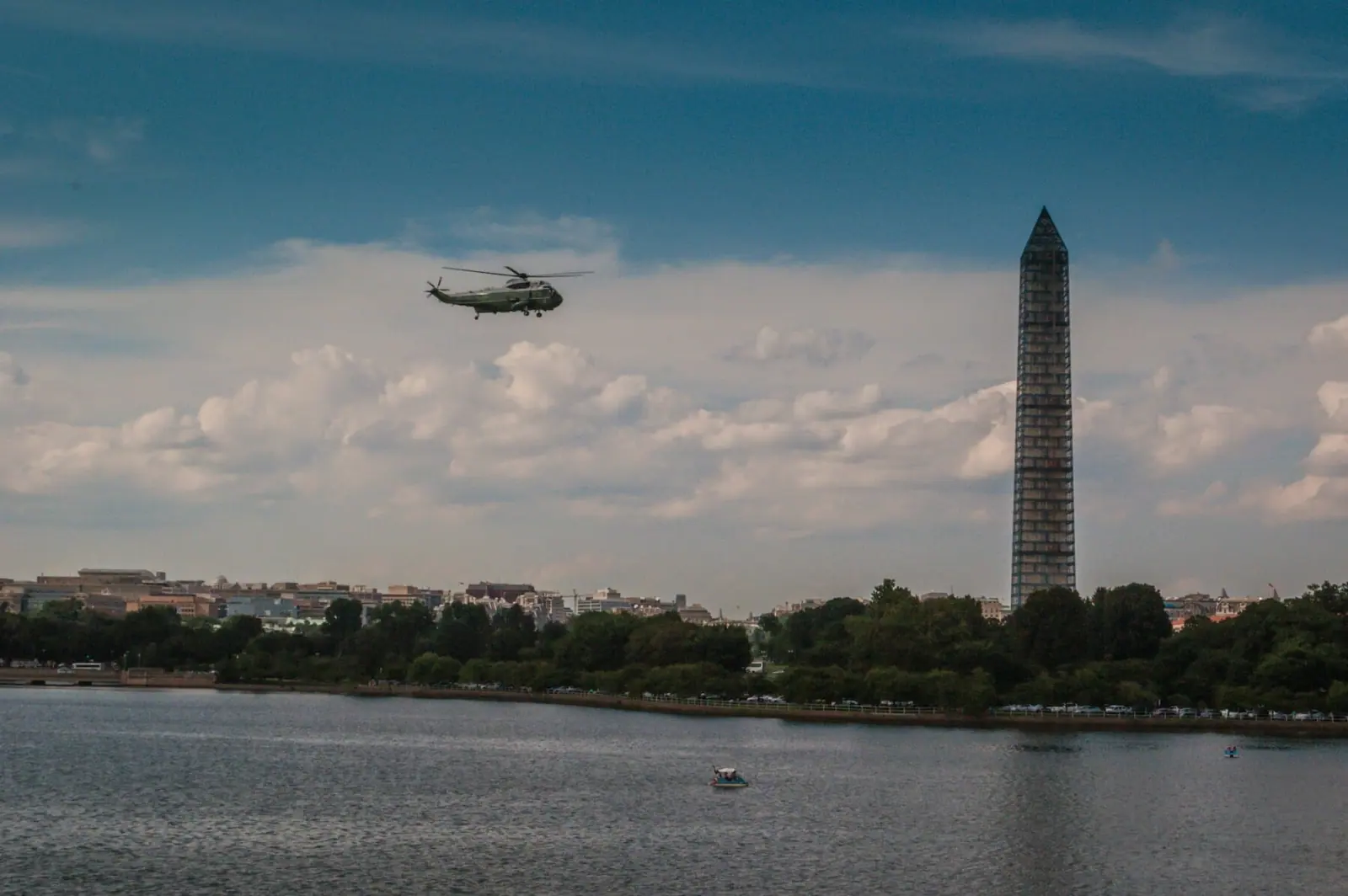
The Washington Monument is a 555-foot obelisk honouring George Washington, and one of the most recognisable landmarks in the United States. An elevator takes you to the top for views over the city, but you need a ticket. Free same-day tickets are handed out at the Washington Monument Lodge while they last, and advance tickets on recreation.gov carry a $1 service charge (as of late 2026). The original design was by the architect Robert Mills. The stone structure was completed in 1884, faced in white marble over granite, and it opened to the public in 1888.
11. National Air and Space Museum
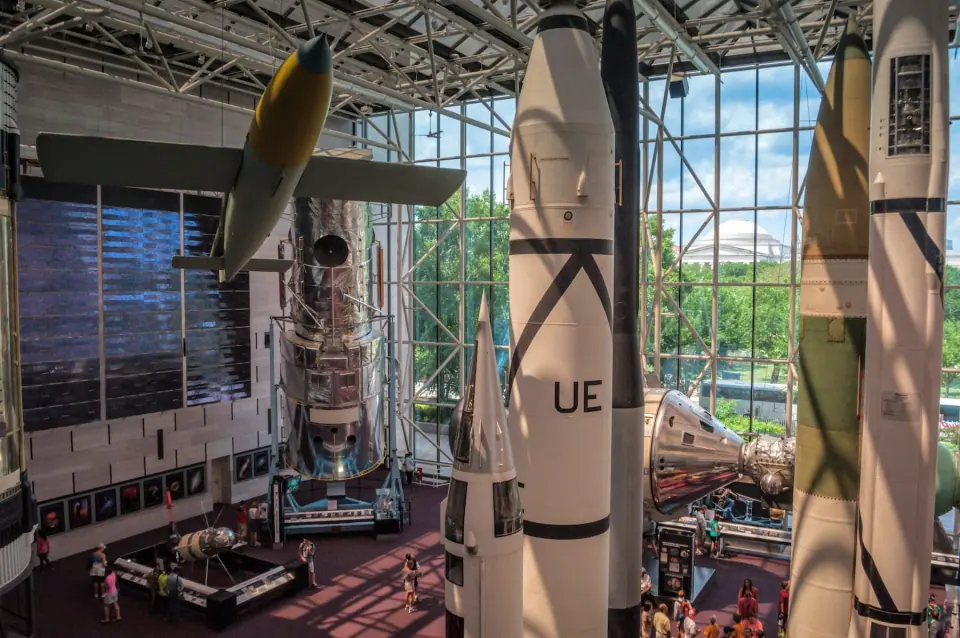
The National Air and Space Museum covers the history of flight and space exploration. Its collection includes the Wright brothers’ 1903 Flyer, Charles Lindbergh’s Spirit of St. Louis and the Apollo 11 command module Columbia. The museum was established in 1946 as the National Air Museum and moved into its building on the Mall in 1976. It is part of the Smithsonian Institution and has a planetarium and an IMAX theater. Admission is free, but every visitor needs a free timed-entry pass.
Planning your visit
Washington has enough museums, monuments, parks and historic sites to fill a weekend or a longer stay. Check the official tourism site for current details before you go.
Washington DC official tourist information
Washington D.C. Tourist Map